Watching Mike Tyson in the slow 1980s and early 1990s was less like watching a boxer and more like watching a superhero come to life.
There were Superman and Spider-Man cartoons on one channel. On the other hand – if his parents allowed it – there was Tyson, a heavyweight destruction machine who resembled the Incredible Hulk and fought like something created in a laboratory before entering the ring.
Tyson tore through the heavyweight division, destroying experienced fighters with terrifying ease. Trevor Berbick, Michael Spinks, Larry Holmes and Tony Tucker eventually became part of the same growing myth.
He was “Iron Mike” and yes, he was “The Baddest Man on the Planet.”
After years of living in this aura, Tyson finally started to believe it himself.
Mike Tyson undefeated
During Tyson’s destruction of Michael Spinks, even Teddy Atlas later compared Tyson’s level that night to Michael Jordan at his absolute peak.
“He was as good that night as any heavyweight in the history of the sport,” Atlas explained.
For a time, Tyson barely looked human to most boxing fans. However, this eventually became part of the problem.
The aura that Tyson created inside the ring spread far beyond it. The fame exploded, the pressure intensified, and the expectation of remaining undefeated became part of his daily existence.
Behind his undefeated image, Tyson later admitted that the reality was completely different.
“Fighting Buster was one of the best things that happened to me,” Tyson admitted years later.
“I was so stressed about being the champion. My hair was falling out and everything. I played like I was still a tough guy, but I was scared to death.”
Show time
The illusion has been changed
One night in Tokyo, everything finally collapsed, never to be fully put back together.
James “Buster” Douglas did much more than cause one of the biggest upsets in boxing history when he stopped Tyson in 1990.
He shattered the illusion surrounding the most feared warrior in the world. Eventually, Tyson began to see defeat as something strangely necessary.
“It was a release. It happened. It’s over. Now we have to deal with this adversity,” Tyson said.
“I was an even better fighter because I wasn’t afraid to lose. I did things I had never done before. I was undefeated.”
The fighter who terrified the heavyweights even before the opening bell lost control of the one thing Cus D’Amato always tried to protect – his humility.
“It made me a human being,” Tyson concluded. “I was not an animal or a savage.”
About the author
Phil Jay is the editor-in-chief of World Boxing News (WBN) and a boxing veteran with over 15 years of experience. Read the full biography.
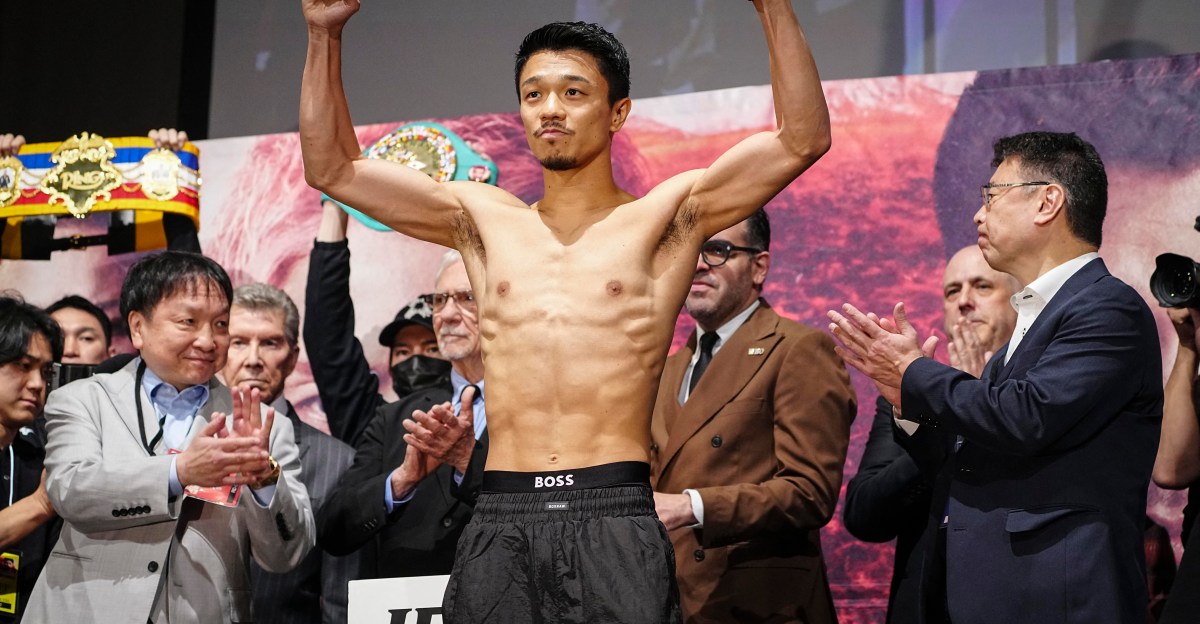
Ronspo, though Yahoo! Japan, brings word of some interesting developments on the Japanese front. Per their update yesterdayU-NEXT’s as-yet unannounced NYE show will feature four-division champion Kazuto Ioka, former flyweight champion Daigo Higa, and reigning WBA light flyweight champion Daiya Kira, who will move up to 112 in a bid to become a two-weight champion in just his sixth pro fight.
Arguably more interesting is the second half of the article, which claims that DAZN will air pound-for-pound fixture Junto Nakatani’s (32-1, 24 KO) planned return in February. “Big Bang” has been on the mend since a brutal war with Naoya Inoue in Maybut now finds himself well-positioned to take “The Monster’s” place as the super bantamweight division’s kingpin upon Inoue’s planned journey to 126.
Per Ronspo, he’ll first have to get past Ramon Cardenas (28-2, 15 KO), who himself floored Inoue in a firefight for the ages last year. He and Nakatani own the top two spots in the WBC rankings and would reportedly square off for either an interim title or, if Inoue vacates ahead of time, the real thing. Regardless of the hardware at stake, there’s a ton to love about a matchup between indefatigable sluggers, and DAZN expanding into the Japanese market should make things significantly more convenient for the Americans with awful sleep schedules who otherwise have to navigate a fragmented broadcast scene.
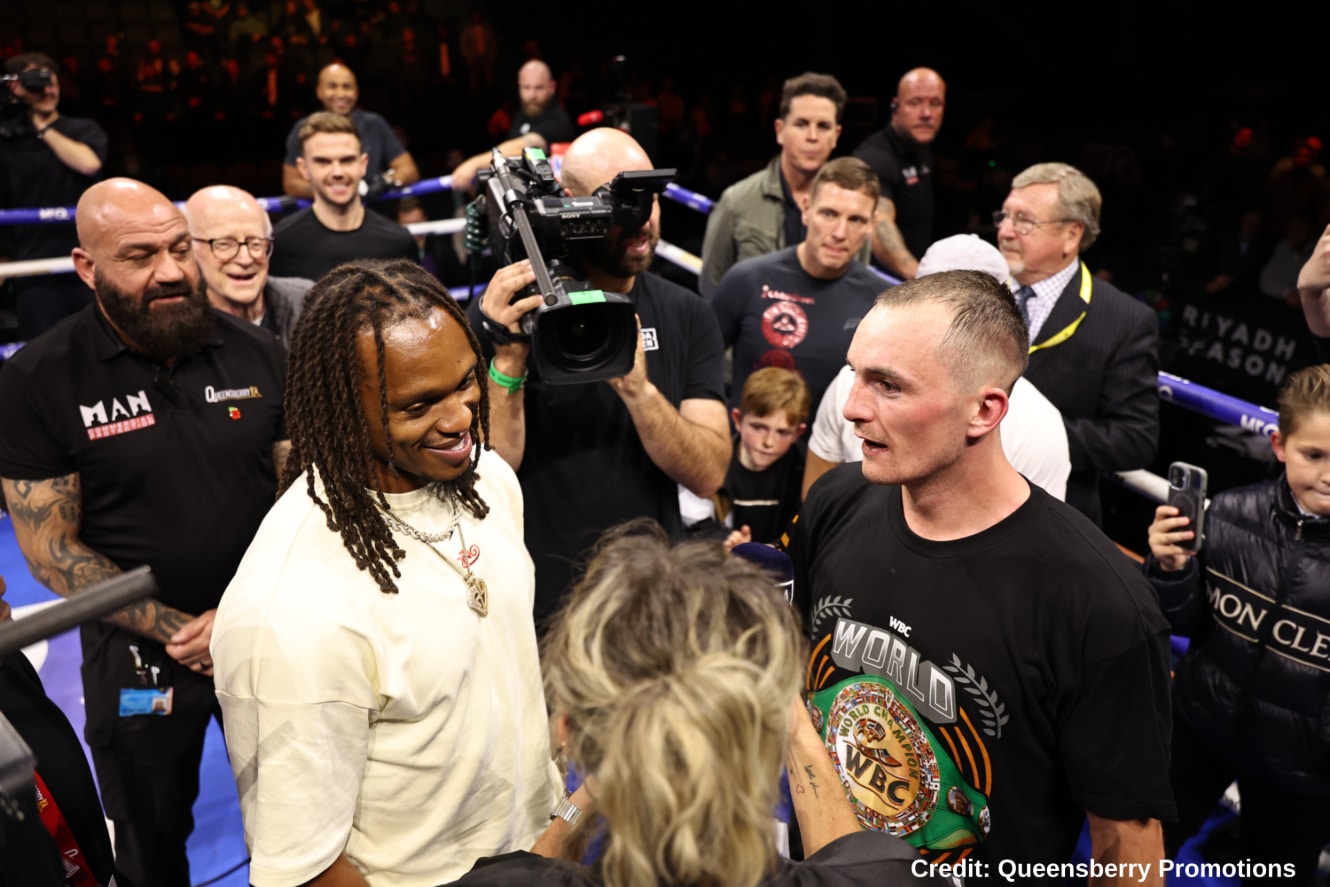
Anthony Yarde was knocked out by David Benavidez and spent a full year on the shelf. Somehow, his reward could be an immediate crack at a world title. Frank Warren is considering using Yarde for Willy Hutchinson’s first WBC light heavyweight title defense in March, effectively granting him championship access without the burden of winning an eliminator.
Hutchinson had to go through the fire with Joshua Buatsi across two fights to capture the vacant belt. Yarde, meanwhile, might walk directly into the challenger’s corner coming off a stoppage defeat and twelve months of inactivity. What has Yarde done since Benavidez demolished him to justify cutting to the front of the line? Nothing inside the ring. His entire argument is built on name recognition and the equity of older wars.
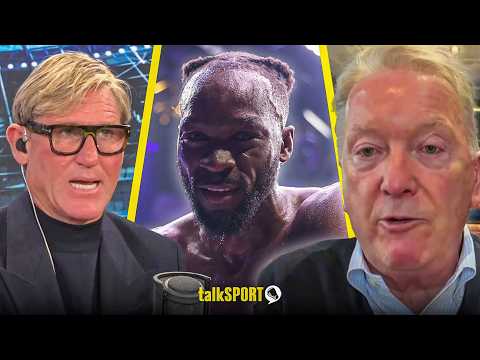
Warren was open about the option on talkSPORT Boxing: “Anthony Yarde was in the ring. I don’t know where we’re going to go with that one. We’ll see if we can agree terms. That’s something we may consider as well.”
Casual British fight fans recognize Yarde from his past encounters with Benavidez, Artur Beterbiev, and Sergey Kovalev. That name value makes him infinitely simpler to sell to television buyers than a high-risk contender like Albert Ramirez. If the WBC blesses a voluntary defense and numbers make sense, Warren converts Hutchinson’s hard-won triumph into a profitable domestic event. If Hutchinson retains, he collects a marquee domestic scalp. If Yarde pulls it off, Warren crowns a long-tenured in-house headliner.
The timing also plays directly into Hutchinson’s hands. Yarde carries sufficient power to make Hutchinson pay if he retreats into the ropes, but Hutchinson possesses the footwork to keep Yarde turning. Forcing Yarde to reset his base prevents him from sitting down on heavy bursts. As the rounds wear on, Yarde faces the grueling reality of sustaining hard combination punching over twelve rounds after such a protracted layoff.
The commercial logic is obvious. The sporting logic is nonexistent. A tune-up win would establish what Yarde has left after the Benavidez beating. Under Warren’s plan, Yarde could skip that test and answer the question with a world title on the line.
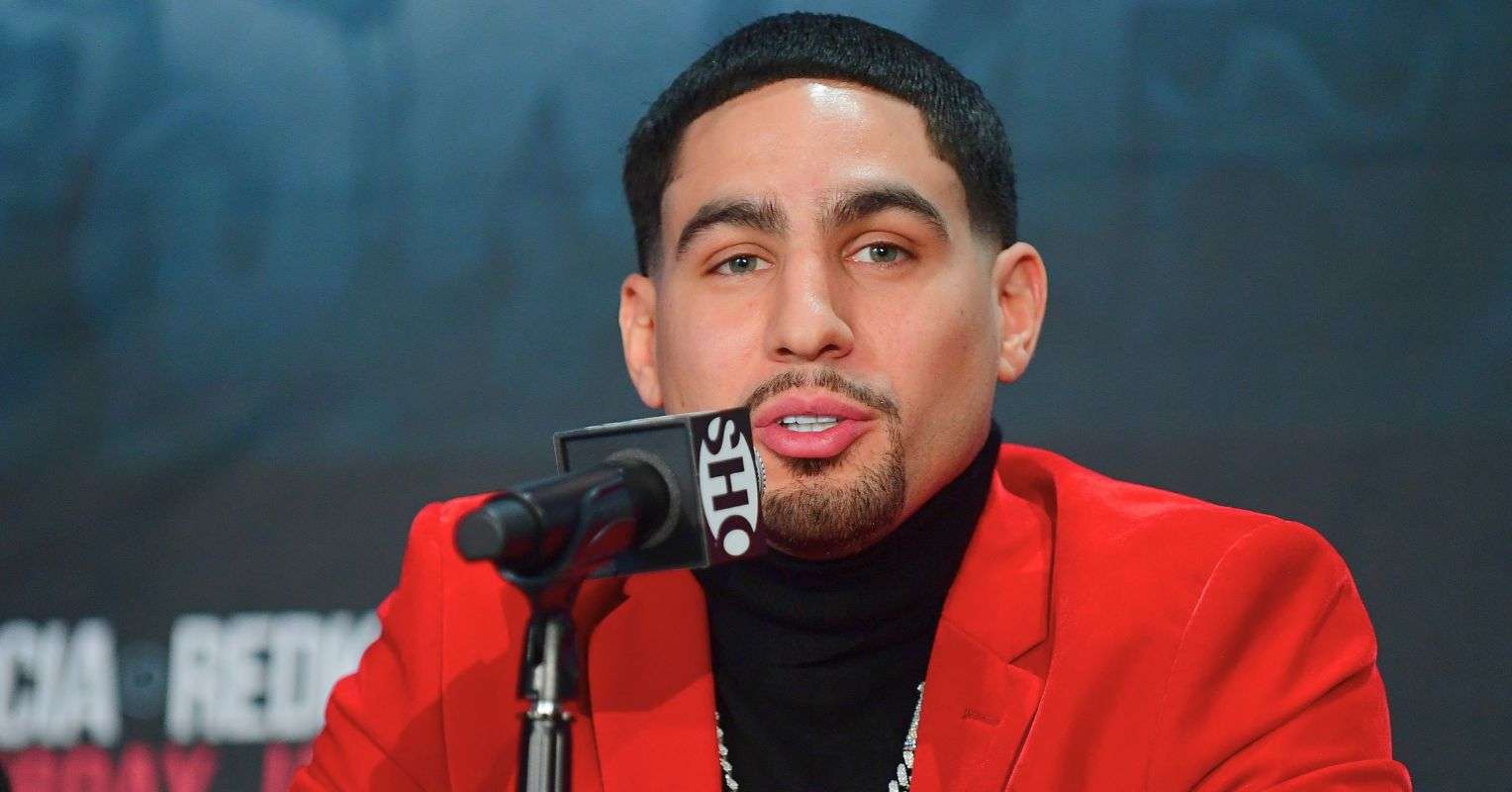
Danny Garcia has faced a plethora of dangerous punchers, including Errol Spence Jr, yet ‘The Truth’ is not even considered among his hardest-hitting opponents.
Instead, ‘Swift’ claims he experienced more pronounced power against Keith Thurman, who he faced in his first WBC world welterweight title defence in 2017.
Ultimately, Garcia lost a split decision after giving a strong account of himself, before losing another tight verdict against Shawn Porter the following year.
The American was then presented with a second chance to reclaim his WBC belt in 2020, only to suffer a clear unanimous decision defeat against Spence.
But while Thurman was perhaps the biggest puncher he faced at 147lbs, the power was on another level when Garcia challenged WBA middleweight champion Erislandy Lara in 2024.
Back then, Garcia had just ended a two-year layoff and, in his first outing at 160lbs, was contending with a significant size disadvantage against his skilled opponent.
In the end, Lara scored a dominant ninth-round stoppage, with Garcia telling YSM Sports Media that the Cuban, along with Thurman and Lucas Martin Matthysseare the three biggest punchers he has ever faced.
“I would say Matthysse, Thurman and Lara might be the biggest punchers I’ve faced. I don’t know if it was my layoff, or whatever, but every time [Lara] hit me, I felt it.
“I don’t know if it was the layoff or the weight, but he was strong.”
Defending his WBC title down at 140lbs, Garcia unanimously outpointed Matthysse in 2013 after scoring an 11th-round knockdown in what was a largely competitive contest.