

Boxing
Zuffa’s $15 Million One-Time Risk – Conor Benn Has Everything to Lose

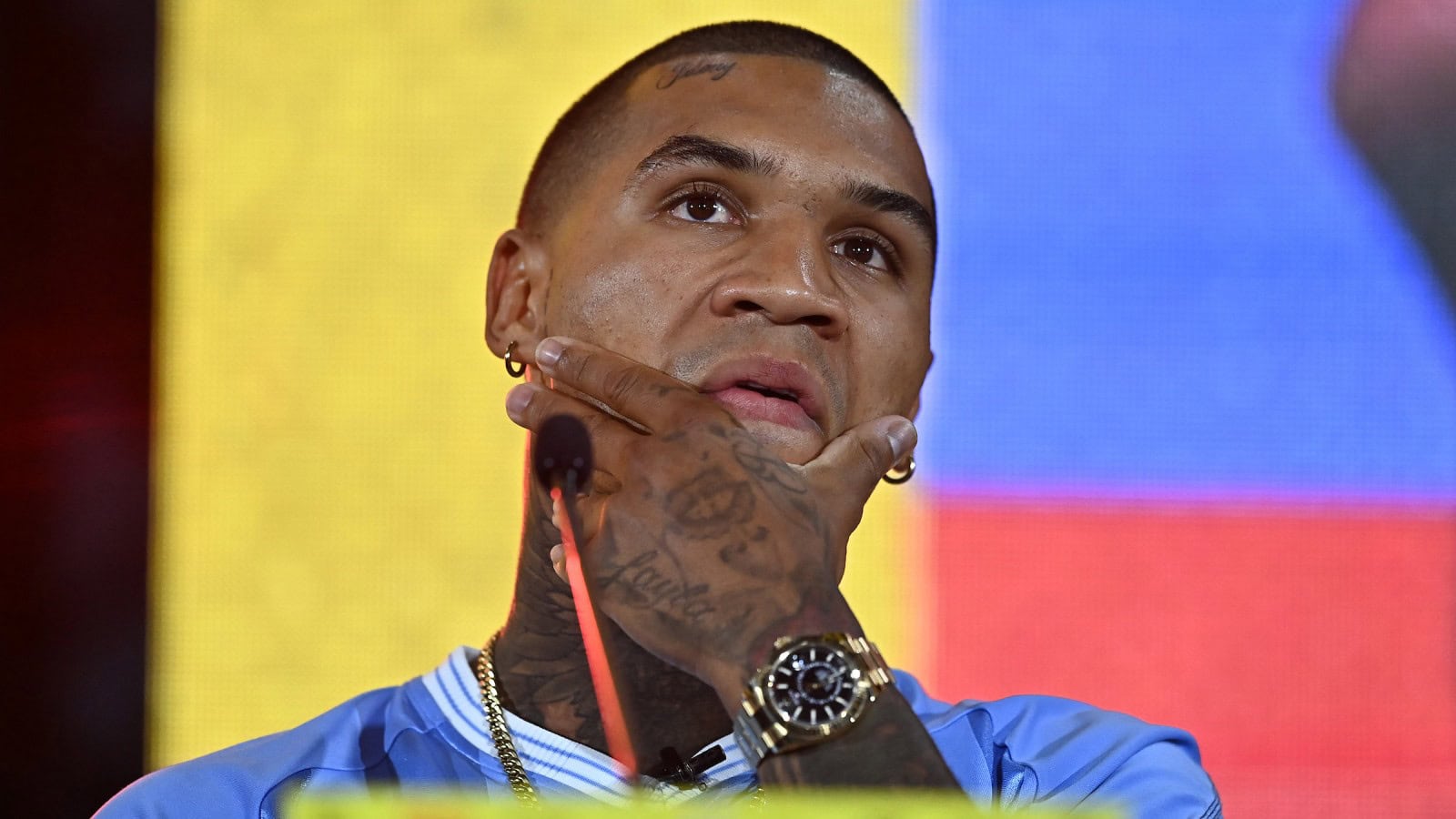
Conor Benn’s move to Zuffa Boxing carries a $15 million per-fight fee – a structure that leaves little margin for error in his first outing under the novel banner.
The deal is straightforward: one fight, one money, no long-term security.
This structure provides freedom, but at the same time concentrates significant risk.
The structure of money
Eight-figure purses in boxing are typically tied to multi-fight deals that provide promoters with options and long-term positioning. Extensions and renewals clauses typically protect your investment.
This arrangement seems different.
If Conor Benn achieves a convincing victory in his debut for Zuffa Boxing, his market position will immediately strengthen. It becomes a real centerpiece of Zuffa’s boxing expansion and a bridge between the British and American markets.
If it loses, there is no built-in obligation to rebuild it or extend the partnership.
The result of one evening will have a huge impact on the actions of both sides.
Early signals from Zuffa
Zuffa has already shown perceptible support.
Benn’s signing was promoted on WWE Monday Night Raw, a platform with a broad U.S. audience that is likely not well-versed in the British welterweight scene.
This exposure signals intent. This suggests that parent company TKO Group Holdings views Benn as part of a broader strategy rather than a short-term add-on.
With this visibility comes expectations. Being placed at a high level increases control as much as it increases opportunity.
A win confirms the move and maintains the negotiating power aligned with the fighter.
Any subsequent deal is likely to be underpinned by a powerful structure, with Benn retaining influence over direction, opponents and terms.
In this scenario, the single-fight model serves as a starter rather than a gamble.
Failure changes the equation
A loss wouldn’t ruin Benn’s career. However, this would change perception and reduce flexibility.
Without a long-term agreement, Zuffa would control the next step. Benn will have to reassess his options without the momentum of a successful debut.
In boxing, perception shapes value. Failure to make a successful first appearance affects both your commercial position and your negotiating power.
Circumscribed immediate alternatives
If Benn loses, a return to Matchroom seems unlikely given the public nature of the split.
Eddie Hearn admitted that he learned of Benn’s departure through legal channels rather than direct discussion. His father Barry Hearn described Benn as “classless” during an appearance on talkSPORT and questioned whether Matchroom should have supported him as strongly as they did after two failed drug tests.
There have been previous instances of mending relationships in boxing, but these remarks suggested a significant divide.
If Zuffa’s venture didn’t expand beyond a single fight, realistic alternatives would likely narrow to major U.S. operators like Golden Boy Promotions or Premier Boxing Champions.
In the UK, BOXXER could be an option. It’s less clear whether Frank Warren would take such a step, given his history of distancing his stable from prolonged controversy.
The opportunities will remain, but the control will change.

The margin is gaunt
Benn rebuilt commercial momentum with the high-profile events against Chris Eubank Jr., restoring his standing and earning power.
Zuffa’s debut has a different purpose. It’s about consolidating our position in the novel promotional structure.
A one-fight agreement creates an urgent need without a safety net. For Zuffa, it’s a calculated investment in performance and a test of whether Benn’s value will continue to grow.
Since there is no second chapter written in the contract, the outcome of one evening will determine what happens next.
About the author
Phil Jay is the editor-in-chief of World Boxing News (WBN) and a boxing veteran with over 15 years of experience. Read the full biography.
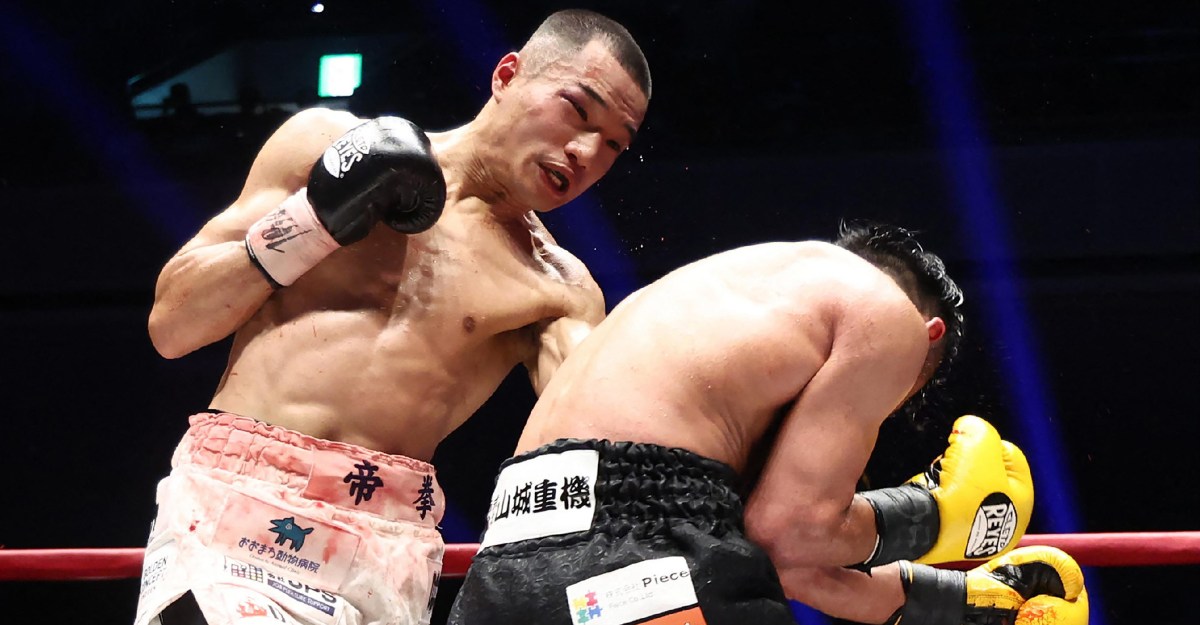
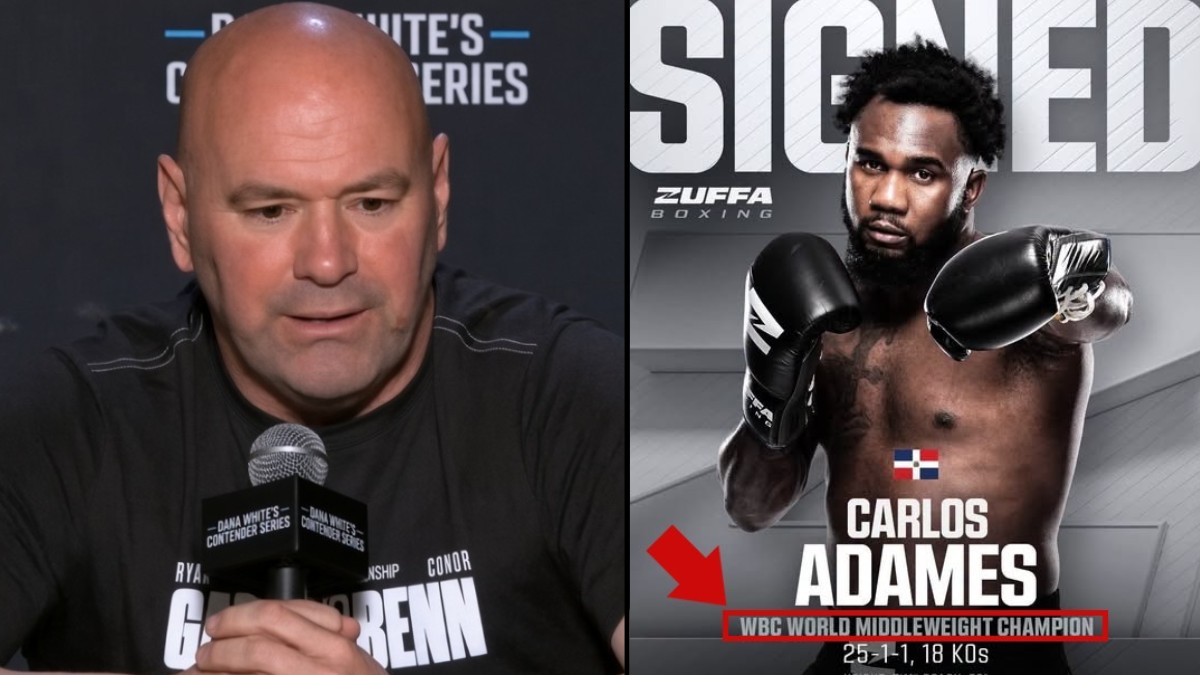
Dana White is making Zuffa Boxing U-turns left, right and center, with the promotion now openly advertising a WBC world champion after previously refusing to work with boxing’s established sanctioning bodies or even name their titles.
World Boxing News has followed White’s changing position since he outlined plans to replace the traditional championship structure with Zuffa’s own belts.
The latest development came with the signing of Carlos Adames, who was proudly introduced as the “WBC World Middleweight Champion.”
For most boxing promoters, that would be perfectly normal. For Zuffa, it represents another significant change in direction.
The First Zuffa U-Turn
White originally declared he had no interest in working with the WBA, WBC, IBF or WBO.
In February 2026, he reinforced that position, insisting he would do his own thing rather than conduct business with the sanctioning bodies.
Zuffa then crowned its first champion in March when Jai Opetaia defeated Brandon Glanton for the inaugural cruiserweight belt.
However, White subsequently softened his stance, confirming that Zuffa could work with established organizations on a case-by-case basis.
By August, Zuffa Boxing 10 in Dublin featured Aaron McKenna winning the vacant IBF middleweight title.
White’s original refusal had already become a compromise.
Now Zuffa Names the WBC
The second U-turn is even more interesting because WBN documented Zuffa’s reluctance to identify established world titles throughout August.
When Noel Mikaelian was announced as Opetaia’s opponent, Zuffa described the reigning WBC cruiserweight champion simply as a “two-time world champion.”
The promotion also avoided naming the IBF in McKenna’s title fight announcement, while Ryan Garcia vs Conor Benn was promoted around a world championship without identifying the WBC.
The analysis was that Zuffa could gradually build recognition for its own championship by describing every titleholder simply as a world champion, without emphasizing which organization awarded the belt.
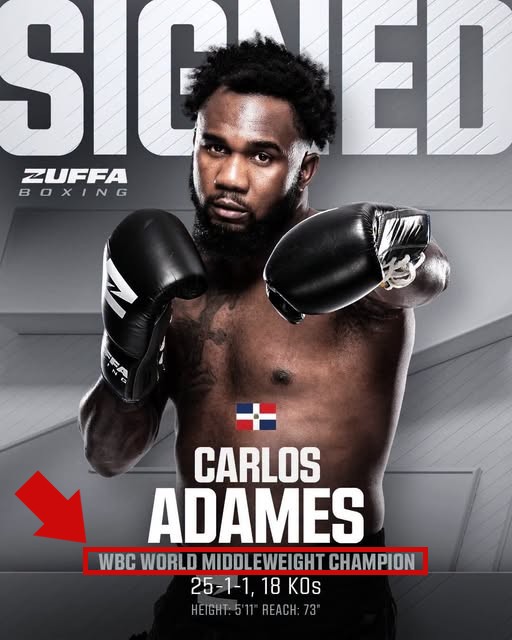
Now, just two months later, Zuffa is prominently displaying the WBC name alongside Adames.
When questioned about the change, White said it was not a matter of “having or not having a relationship” with the organization, before shifting his attention to Zuffa’s middleweight division.
That is a considerable departure from the original message.
The Business Model Changes
There are also signs that Zuffa’s wider business strategy is moving closer to conventional boxing promotion.
Zuffa has signed Adames and WBO middleweight champion Denzel Bentley, while allowing fighters to compete for traditional championships.
Those developments suggest a more flexible approach than the original vision of operating independently of boxing’s established organizations, although Zuffa has not abandoned its own championship structure.
White’s Next Move
White is entitled to change his approach, particularly if it helps Zuffa secure bigger fights and stronger signings.
However, the contrast with his original position is becoming increasingly stark.
First, Zuffa would not work with sanctioning bodies. Then it would consider them case by case. Now it is openly using the WBC name to promote a world champion.
The changes also put the value of Zuffa’s newly created belts under scrutiny compared with established world championships that have decades of history and recognition.
Nothing confirms that White intends to abandon his own championship system, but the repeated changes suggest his original hard-line approach has become increasingly difficult to maintain.
For a promotion that arrived promising to do things differently, Zuffa is beginning to look remarkably familiar.
About the Author
Phil Jay is the Editor-in-Chief of World Boxing News (WBN), a BWAA-acknowledged boxing news website founded in 2010. A veteran boxing reporter with 16 years of experience, he has interviewed world champions, broken international exclusives, and reported ringside from major events. His work is published worldwide through WBN and distributed on platforms including Apple News.
Read Phil Jay’s full bio and latest stories.
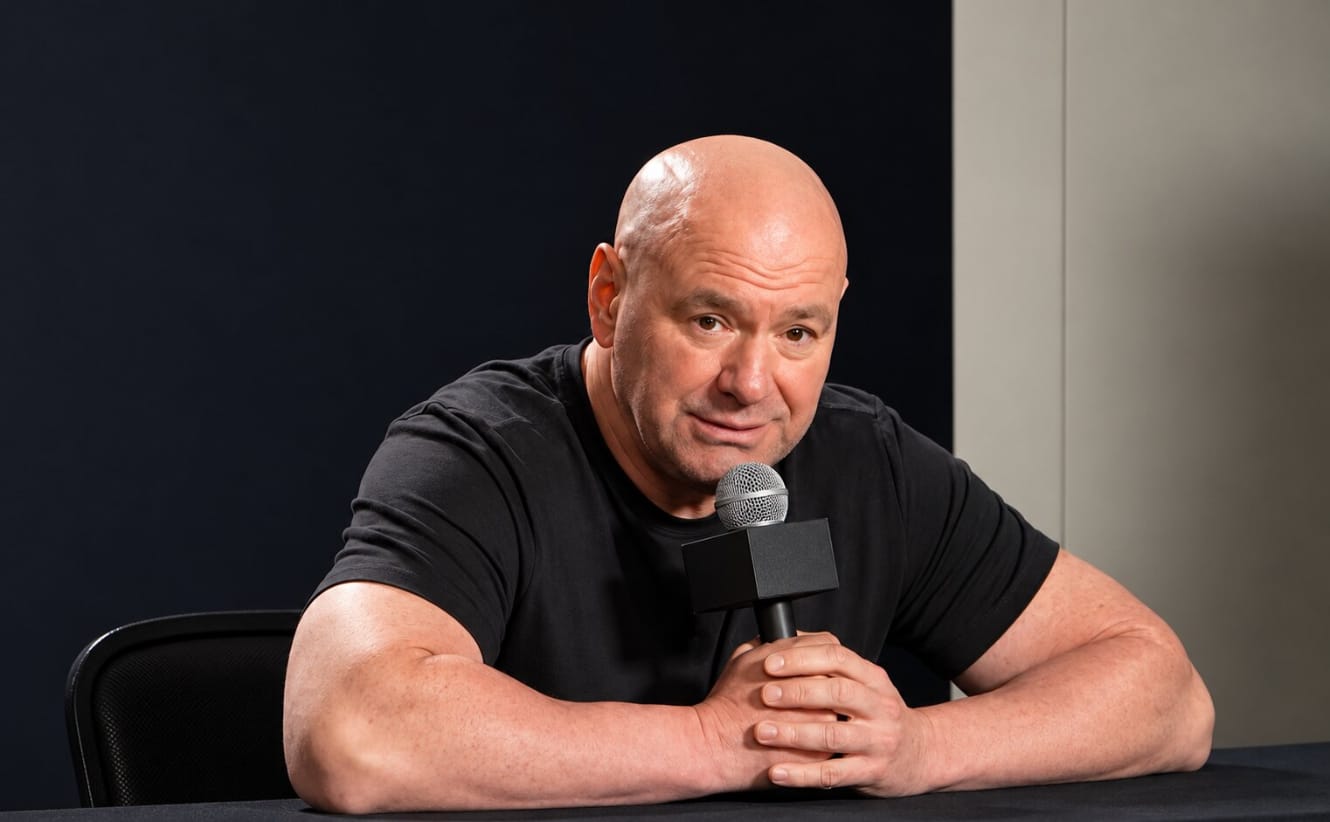
Dana White quickly shut down rumors about Shakur Stevenson meeting Devin Haney on November 28 in Atlanta. Anyone expecting an immediate fight reveal took a hit after White addressed the situation following the Contender Series. When reporters pressed him on the proposed Thanksgiving weekend date, he gave them very little to work with.
“If it was, I would have announced it,” White stated.
He declined to offer negotiation details, nor did he float an alternate calendar slot. That curt statement keeps November 28 unverified. It does not kill the pairing entirely, but it proves the business side remains unresolved.
Social media bargaining created the illusion that promotional machinery was already rolling. Both boxers publicly settled on 145 pounds on X, leading casual observers to believe the hard part had passed. Settling on an informal weight limit in a comment section does not trigger an official press tour. Online back-and-forth gives followers plenty to debate, yet neither fighter has booked travel, hired sparring partners, or officially launched camp.
The real snag centers directly on purse demands. Ring insider Mike Coppinger pointed to the financial friction on social media, posting, “Money mostly but I believe it will get done.”
Optimism does not print tickets or satisfy broadcast partners. Bill Haney openly vented his irritation over the sudden silence from the Stevenson camp, posting, “Bro nem quiet as church mouse’s again…”
That frustration is easy to understand. Transparent negotiations inflate public expectations in a hurry. When one camp goes completely silent immediately after a public concession, momentum disappears. Talks look completely stalled from the outside, even if promoters continue working behind closed doors.
Nobody following the modern boxing business should feel surprised by this drag. Arguing online generates massive engagement metrics, yet back-and-forth posts cannot finalize multi-million-dollar agreements. Network commitments, venue guarantees, and revenue splits require formal paperwork that takes weeks to navigate.
White essentially yanked the conversation back to reality. Observers have a target weight, an opponent, a venue city. What everyone still lacks is a legally binding contract. Until both camps resolve guaranteed purses, this matchup exists strictly as an internet discussion rather than a genuine event.



Alex Pereira backs Paulo Costa to beat Magomed Ankalaev with pressure

Riku Masuda vs Seiya Tsutsumi Rematch Highlights November 29th Title Tripleheader in Tokyo

Dana Whites 2026 Promotion of WBC After Rejecting Boxing Bodies in 2025


-

 Boxing2 days ago
Nakisa Bidarian Explains the Financial Principles Driving Canelos Commitment
-

 MMA2 days ago
Ismael Bonfim removed from UFC roster after gigantic weight miss
-
 Boxing2 days ago
Tyson Furys Advantage: The Importance of Leg Endurance in Boxing
-
 Boxing2 days ago
Derek Chisora Predicts Early KO in Dubois vs Wardley 2 Following First Fight Canvas Drama
-

 Boxing1 day ago
Agit Kabayel Expected to Defeat Nelson Hysa by TKO in Five Rounds
-

 MMA21 hours ago
Michael ‘Venom’ Page says 3 Misfits fights will pay more than 6 in UFC
-

 Boxing1 day ago
Naoya Inoue vs Bam Rodriguez Mega Fight in Jeopardy: Im Not Waiting Sparks Concerns
-

 Boxing1 day ago
Canelo Alvarez Reveals Top 5 Best Fighters in the World | Boxing News 2023