

Boxing
Zuffa’s $15 Million One-Time Risk – Conor Benn Has Everything to Lose

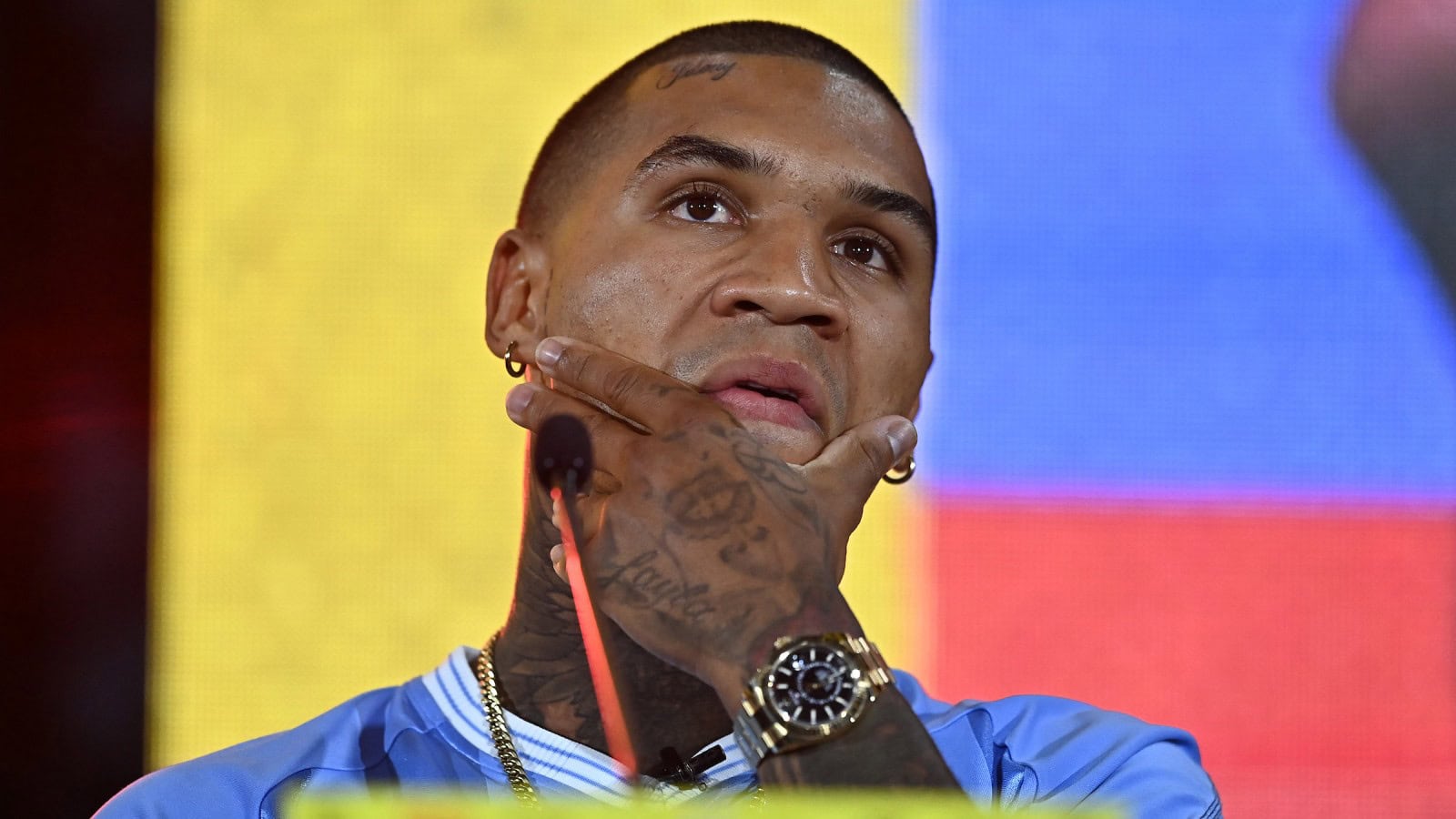
Conor Benn’s move to Zuffa Boxing carries a $15 million per-fight fee – a structure that leaves little margin for error in his first outing under the novel banner.
The deal is straightforward: one fight, one money, no long-term security.
This structure provides freedom, but at the same time concentrates significant risk.
The structure of money
Eight-figure purses in boxing are typically tied to multi-fight deals that provide promoters with options and long-term positioning. Extensions and renewals clauses typically protect your investment.
This arrangement seems different.
If Conor Benn achieves a convincing victory in his debut for Zuffa Boxing, his market position will immediately strengthen. It becomes a real centerpiece of Zuffa’s boxing expansion and a bridge between the British and American markets.
If it loses, there is no built-in obligation to rebuild it or extend the partnership.
The result of one evening will have a huge impact on the actions of both sides.
Early signals from Zuffa
Zuffa has already shown perceptible support.
Benn’s signing was promoted on WWE Monday Night Raw, a platform with a broad U.S. audience that is likely not well-versed in the British welterweight scene.
This exposure signals intent. This suggests that parent company TKO Group Holdings views Benn as part of a broader strategy rather than a short-term add-on.
With this visibility comes expectations. Being placed at a high level increases control as much as it increases opportunity.
A win confirms the move and maintains the negotiating power aligned with the fighter.
Any subsequent deal is likely to be underpinned by a powerful structure, with Benn retaining influence over direction, opponents and terms.
In this scenario, the single-fight model serves as a starter rather than a gamble.
Failure changes the equation
A loss wouldn’t ruin Benn’s career. However, this would change perception and reduce flexibility.
Without a long-term agreement, Zuffa would control the next step. Benn will have to reassess his options without the momentum of a successful debut.
In boxing, perception shapes value. Failure to make a successful first appearance affects both your commercial position and your negotiating power.
Circumscribed immediate alternatives
If Benn loses, a return to Matchroom seems unlikely given the public nature of the split.
Eddie Hearn admitted that he learned of Benn’s departure through legal channels rather than direct discussion. His father Barry Hearn described Benn as “classless” during an appearance on talkSPORT and questioned whether Matchroom should have supported him as strongly as they did after two failed drug tests.
There have been previous instances of mending relationships in boxing, but these remarks suggested a significant divide.
If Zuffa’s venture didn’t expand beyond a single fight, realistic alternatives would likely narrow to major U.S. operators like Golden Boy Promotions or Premier Boxing Champions.
In the UK, BOXXER could be an option. It’s less clear whether Frank Warren would take such a step, given his history of distancing his stable from prolonged controversy.
The opportunities will remain, but the control will change.

The margin is gaunt
Benn rebuilt commercial momentum with the high-profile events against Chris Eubank Jr., restoring his standing and earning power.
Zuffa’s debut has a different purpose. It’s about consolidating our position in the novel promotional structure.
A one-fight agreement creates an urgent need without a safety net. For Zuffa, it’s a calculated investment in performance and a test of whether Benn’s value will continue to grow.
Since there is no second chapter written in the contract, the outcome of one evening will determine what happens next.
About the author
Phil Jay is the editor-in-chief of World Boxing News (WBN) and a boxing veteran with over 15 years of experience. Read the full biography.
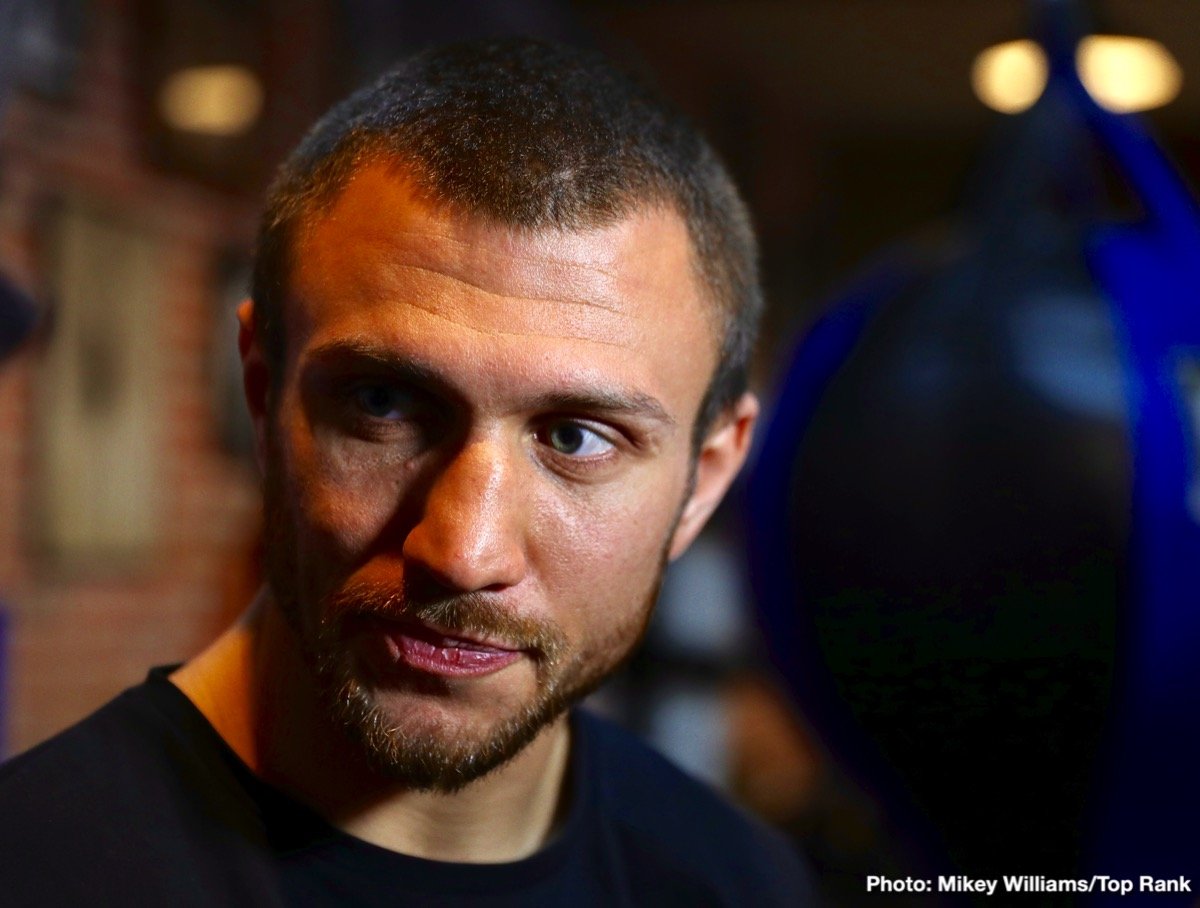

“I feel like I was the better player. My reach, distance and speed were kind of better than his,” Stevenson said on The Joe Rogan Experience, recalling the rounds they played during training camp early in his professional career.
Shakur added that Lomachenko’s conditioning and striking were an advantage at the time as the Ukrainian prepared for the fight during camp.
“From the standpoint of being in shape and throwing more punches, I think he was better to some extent,” Shakur said. “He was preparing for his fight and I was preparing for my fight too.”
The sessions took place in 2017, when Lomachenko was preparing to fight Guillermo Rigondeaux. Stevenson, then a juvenile midfielder who had won an Olympic silver medal, was brought into camp as a sparring partner.
Lomachenko entered the professional ranks after one of the most successful amateur careers in boxing history. Unlike Stevenson, who won an Olympic silver medal, Lomachenko won two Olympic gold medals and set a record widely reported as 396 wins and one defeat.
That lone loss came to Russian Albert Selimov in the final of the 2007 World Amateur Featherweight Championship. Lomachenko later avenged this defeat twice in his amateur career, including a victory over Selimov at the 2008 Beijing Olympics.
Shakur said the experience stuck with him because he felt he was able to hold his own against one of the most respected technicians in the sport at the time.
Looking back, Stevenson stated that he believed Lomachenko may have looked at the situation differently after seeing how Stevenson performed during those rounds.
“If I’m Lomachenko and I know he weighed 126 pounds at the time. He was a kid growing into his 30s,” Stevenson said. “Now I see him grown up, bigger and stronger, and I see what he did as a kid. I would probably test the waters with him. I really wouldn’t want to see that guy.”
The two fighters have never faced each other in the professional ranks, despite competing in nearby divisions for part of their careers.
A two-time Olympic gold medalist, Loma won world titles in multiple divisions and earned a reputation as one of boxing’s most technically gifted fighters. Since then, Shakur has been on his own path, winning titles in three divisions and establishing himself as one of the most defensively gifted fighters in the sport.
While sparring sessions remain part of boxing history, Stevenson suggested that the experience may facilitate explain why a fight between the two never materialized once both fighters had reached championship level.


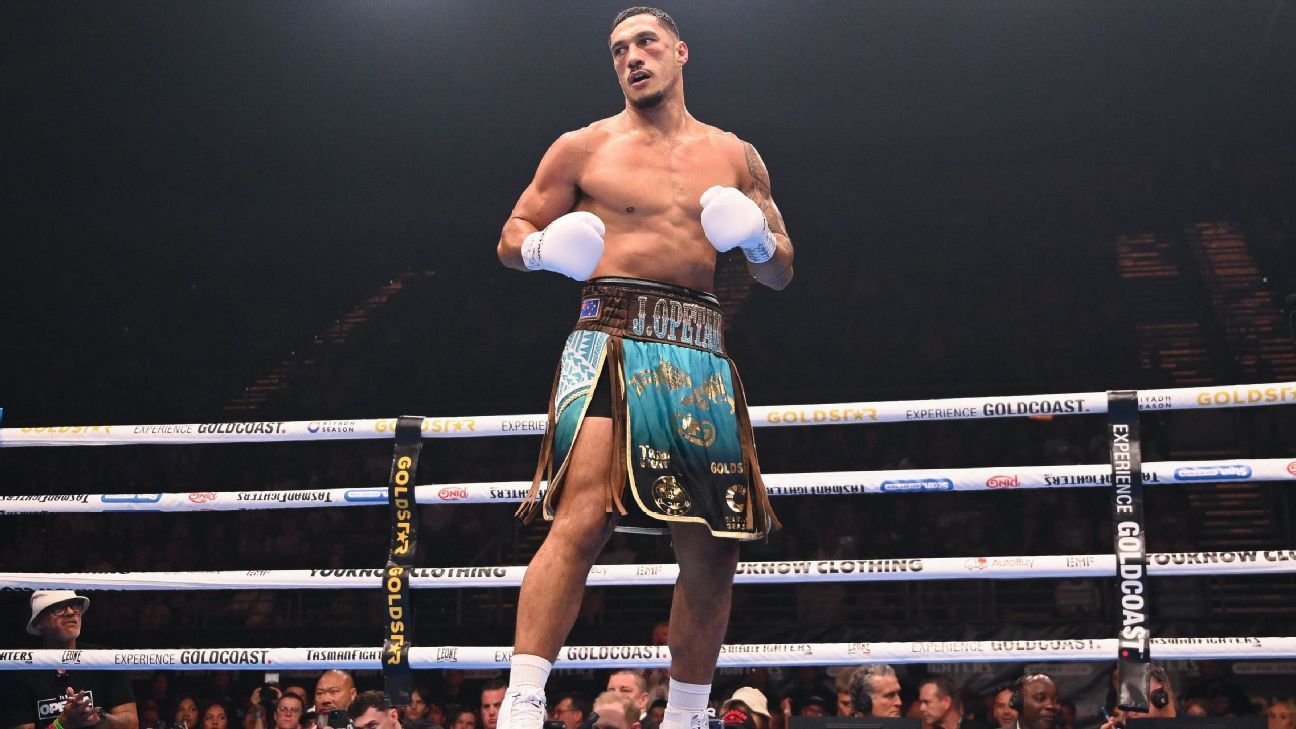
The IBF will not sanction Jai Opetai’s fight against Brandon Glanton

Shakur Stevenson says Lomachenko avoided him after sparring

Ryan Garcia is SICK of his FORMER TRAINER


-

 Opinions & Features1 year ago
Pacquiao vs marquez competition: History of violence
-

 MMA1 year ago
Dmitry Menshikov statement in the February fight
-
 Results1 year ago
Stephen Fulton Jr. becomes world champion in two weight by means of a decision
-
 Results1 year ago
Keyshawn Davis Ko’s Berinchyk, when Xander Zayas moves to 21-0
-

 Video1 year ago
Frank Warren on Derek Chisora vs Otto Wallin – ‘I THOUGHT OTTO WOULD GIVE DEREK PROBLEMS!’
-
 Analysis11 months ago
Robert Garcia discusses the debate on the greatest Mexican warrior in history
-

 Video1 year ago
‘DEREK CHISORA RETIRE TONIGHT!’ – Anthony Yarde PLEADS for retirement after WALLIN
-

 Results1 year ago
Live: Catterall vs Barboza results and results card