Opinions & Features
From Caracas to Kinshasa – Colin Hart recalls the Ali vs. Foreman fight

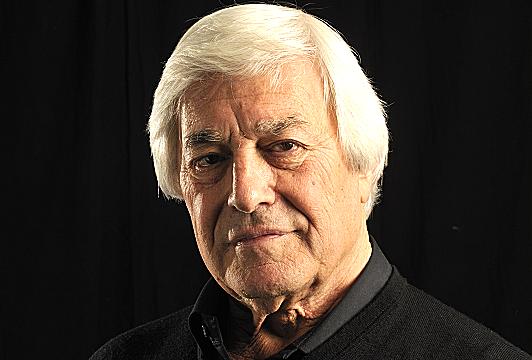
A renowned British sports writer for over six decades Colin Hartwho died last March at the age of 89, covered sporting events good, great and not so great around the world. And already in October 1974, he witnessed with his own eyes a historical spectacle unlike any other.
Our story begins a few months earlier in Caracas, Venezuela, just before world champion George Foreman was about to annihilate challenger Ken Norton. The British boxing press gathered for a meeting with Foreman, organized by his publicist, Bill Caplin. But before Foreman vs. Norton, there was Foreman vs. Hart!
“I used to chain smoke,” Hart said, picking up the story. “And Bill arranged for the British media to interview Foreman by the pool at a hotel in Caracas. There was Hugh McIlvanney, Frank McGee, Alan Hubbard, me, Kenny Jones. Just British. So I stood by the pool and smoked, and George came in after making us wait for who knows how long. His uniform in those days was dungarees and he had a substantial afro haircut, a massive body and all the muscles, you haven’t seen anything bigger.”
“As he got closer, he suddenly shouts at me, ‘Hey, you! Put that down.’ And I looked at him. Now I’m from the East End of London, so I acted like a cheeky bastard and said, “You mean me?” And he replied, “Yes, you.” And I just looked at him and said, “Please tell me.”
“He didn’t say please, we sat down and I got mad. And he started talking about how proud he was of being an American, which was his hobby at the time. Well, in his previous fight he knocked out a kid named Jose Roman. Lovely guy, but just absurd. He was a real featherlight heavyweight. So I got a chance to piss him off. I said, ‘George, how can you be proud that you beat up destitute little Joe Roman?'” Now he was taking it upon himself anyway the burn, and his substantial shovel-like hand opened up and was coming towards me. But Bill intervened and said, “Stop it, you two.”
It was the beginning of a not-so-beautiful friendship that had a content ending, but more on that later.
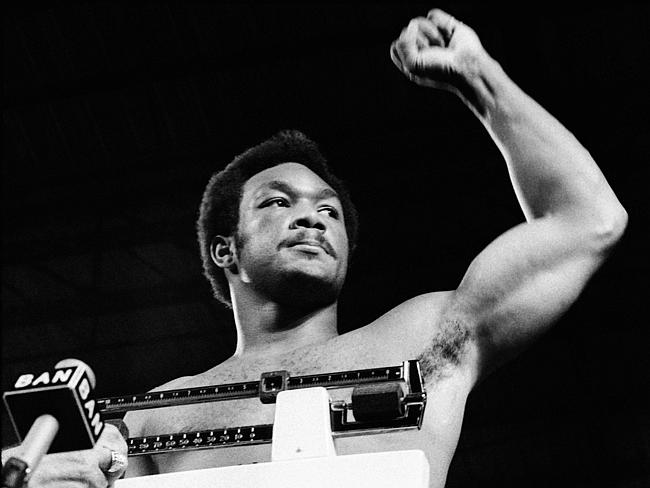
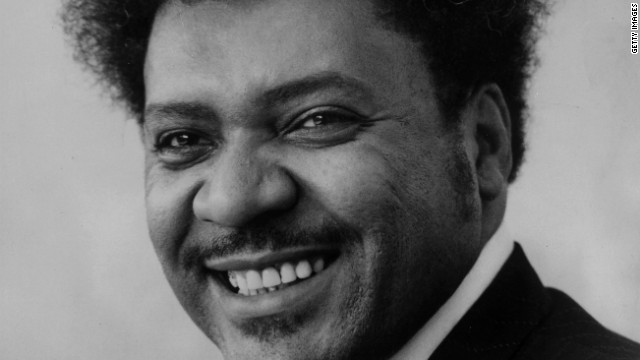
Caracas, the capital of Venezuela, was the site of a press conference where it was announced that the Ali-Foreman fight had been signed and sealed. Call the event promoter, Don King. King’s confidence was so great that this fight took place even before the champion fought Norton. Not that they had anything to worry about after all. The only problem was how the American braggart would manage to collect the ten million dollars promised to the fighters.
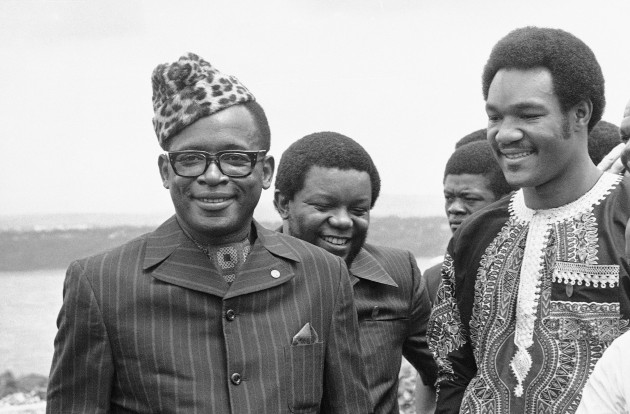
The king had no money. But a trip to Mayfair in London marked the beginning of a relationship between the king and Zaire’s president, Mobutu, that led to the creation of Rumble in the Jungle. King happened to visit the office of John Bailey, who, with the actor David Hemmings, ran a company called Hemdale that had contacts in Zaire. The fast-talking king then convinced Mobutu to put up money for the Ali vs. Foreman fight. Mobutu thought this was a great idea because the world knew little about Zaire. Not only did the event put Zaire on the map, but the substantial heavyweight clash would have filled Mobutu with plenty of tourist dollars. But back to Hart and Venezuela:
“We showed up (in Caracas) and there was this weird looking guy with his hair sticking up like he had seen a ghost, and of course that was my first encounter with Don King. On either side of the weird looking guy were two evil looking Africans. I had never fucking heard of Kinshasa, and then he [King] he added: “And the fight will start at four in the morning.” I almost fell off my chair laughing, thinking, “Who is this clown?” And of course, a few months later I was at ringside at four in the morning.”
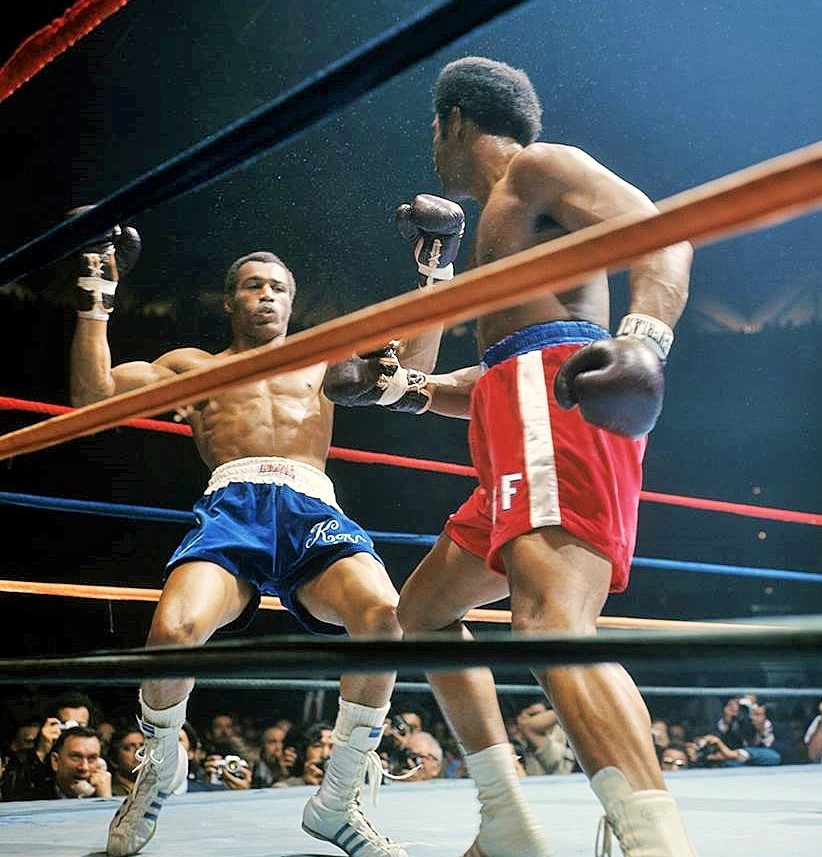
Hart and the rest of the sports media set out to cover the fight on its scheduled September 25 date, flying through Paris to get to Kinshasa. “It wasn’t the most pleasant flight, I can assure you.”
Once there, the bus took Hart and his company thirty miles to N’Sele, a district of Kinshasa where President Mobutu had a sort of summer palace built for him by the Chinese Communist Party. When Hart arrived and got off the bus, he and the rest of the reporters were greeted by Larry Merchant, then a columnist for Daily news from Philadelphia.
“When we walk into N’Sele, Larry says, ‘Stop the fight, guys, the fight’s over.’ And of course we thought he had pissed himself because we were pretty tired and soaked. But when we got there, it turned out that Foreman had caught his elbow while sparring, which cut his right eye, and the fight was called off for six weeks.”
Everyone feared that Mobutu did not want to let the fighters or the media leave the country because there was a feeling that if Foreman in particular left, he would not return. Simply put, George didn’t like Zaire one bit. Meanwhile, Hart initially stayed in N’Sele as planned, but Kinshasa soon seemed like a nicer place to stay.
“I’ve been to some shitty places, but in N’Sele I spent time watching fucking lizards climb up the walls! All the British writers thought, ‘Fuck it, we’ll stay in Kinshasa.’ Foreman soon left N’Sele and also stayed at the hotel.
As the substantial fight approached, Hart began to think that Muhammad Ali might have what it takes to pull off the most improbable victory that many at the time thought was impossible. In fact, some were afraid that the former champion could end up in the hospital or even the mortuary. Hart, however, thought otherwise. What caused this contradictory view? Weird media lunch buffets that included monkey meat and chocolate-covered caterpillars? No, a hunch. And a conversation with Bob Waters, who I was working for at the time Newsday in Recent York.
“Bob was a highly respected boxing writer, so I told him over a drink, ‘Bob, you’re going to laugh at me, but I have a feeling Ali can win this fight.'”
To Hart’s surprise, Waters replied, “Me too. And I’m going to do it.”
“Really? Why?” replied the Briton.
“Foreman has no stamina,” Waters said. “I was in the ring in California the night he fought a guy named so-called [Gregorio] Peralta, who was a built featherlight heavyweight. I was close to Foreman’s corner and he didn’t want to come out for the last round. He was fucked, exhausted. Not that he was afraid of him, but he couldn’t lift his hands up. And they had to push him out in the last round.
“Well,” I said to Waters, “you’ve already made up your mind for me, Bob.” Because no one was braver than Ali. No one had a better chin, no one had more We in the ring than Ali and I thought he would dance, wear out Foreman, and knock him out in the ninth round. This was my prediction. I got a good result, but my tactics were completely wrong! He went to the ropes because he realized that dancing in this heat simply wouldn’t work. Even though the fight started at 4 a.m., it was eighty degrees outside the ring and much hotter inside.
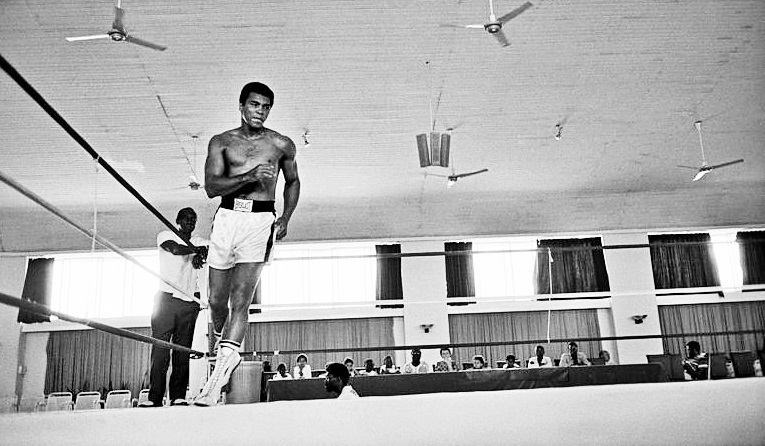
Ali talked about a special plan that even his coach Angelo Dundee claimed he knew nothing about. As we all know, Ali charged into the fight and allowed the enraged and confused champion to wail over every part of his challenger’s body. Gradually, Foreman calmed down. Only Ali knew what he was doing.
“Watching from ringside, I wrote: He just signed a farewell letter recalls Hart.
But the strength was fading from Foreman, round by round. Ali’s genius prevailed, even though he took blows to his arms and body. The lights would soon go out under the reign of a monster boxer who was as feared as Liston and Louis.
“In the eighth round, Ali decided it was time to do it,” Hart says. “And when he landed that combination, spun, and Foreman fell, I did something that I admit was very unprofessional. I was very excited about Ali, and I was proven right when everyone told me I was crazy, I jumped up and punched the air. And time and time again I told newborn sportswriters to employ the American term from the very notable American book ‘No Cheering in the Press Box.’ But that night I couldn’t assist myself. I’ve never done it before and I’ve never done it since.
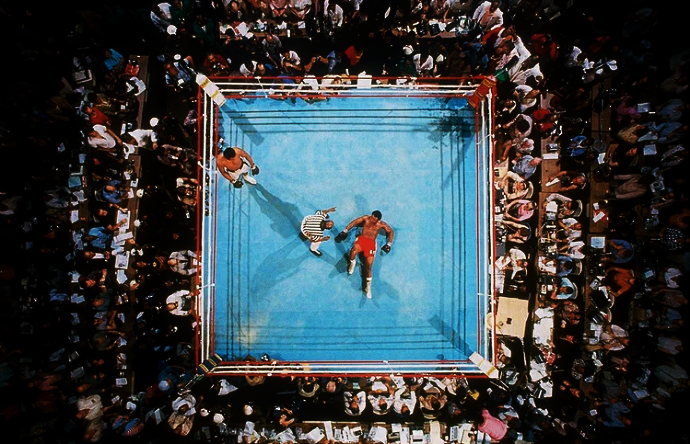
Celebration and shock were in the air, but there was also a monsoon. The heavens opened. If they had waited another hour, there might have been no fight and no chance for Ali to regain the title. As Hart returned to the hotel, rain began to fill the car that had taken him and the other writers. You could see children swimming in the streets, it was such a downpour.
Amidst all this hysteria, Ali was the calmest man of all. He proved everyone wrong. Foreman took the defeat harder than the knockout. The once ferocious leader of the heavyweight division disappeared for over a year.
“He suffered from severe depression,” Hart said. “This had never happened to him before. The mere fact that he lost in such a momentous situation affected him mentally and he was never the same man again.”
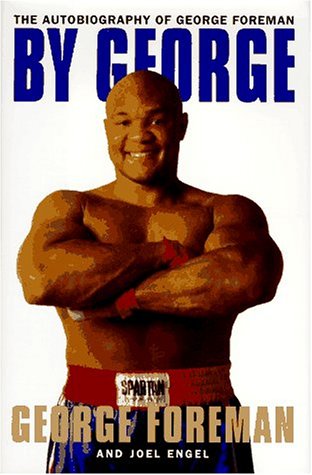
The novel Foreman would face Hart years later in Houston, during the build-up to the Salvador Sanchez vs. Pat Cowdell match. Bill Caplin convinced Hart to meet Foreman for lunch, despite his reluctance. Writer vs. Warrior, Part Two.
“On lunch day, I’m in the hotel lobby smoking and suddenly I hear this clamorous voice behind me: ‘Hey, you! Turn it off!’ I turned around and he was there, smiling broadly, and that just broke the ice. Years later he gave me a copy of his book By George and he signed it.”To Colin Hart: Put out that cigarette, from George Foreman.’”
– Shaun Brown

When boxing became a total obsession in the mid-1990s, it was tough to imagine that the likes of Barrera, Naz and Tito Trinidad could ever be replaced as my favorite fighters. In the following years, no other boxer captured my imagination as much as those who drew me so deeply into this sport. That changed when Naoya “The Monster” Inoue appeared. The juvenile genius’s vigorous style, devastating body attack and humble attitude embodied everything there is to like about a boxer.
Living on the other side of the East China Sea, a trip to see the Japanese “monster” from the side seemed doable, but the time was never right: close enough to be within reach, but far enough that it wasn’t possible over the course of a weekend. So, when does a blockbuster fight with another undefeated multi-weight champion take place? Junto “Big Bang” Nakatani scheduled for the extended May Day holiday, the stars finally aligned. The training partner eagerly jumped on board and the superfight expedition suddenly became worthwhile. The problem was that with such high anticipated demand, the chances of getting a ticket were slim. Online sales started on March 6 at 5 p.m.; At exactly 5:02 p.m., a message came from my traveling companion: “It’s done! I have tickets.” The trip has officially started.
Arriving in rain-swept Tokyo on Friday, with a few hours left before hotel check-in at 3 p.m., I armed myself with an umbrella from the nearest konbini shop and wandered through the morning rush hour among white-collar workers, neatly dressed students, and late-night revelers still on their way home. Salamier lay comatose against a pillar in the middle of the expansive Shinjuku station; the woman gently hit her head on the ticket machine in front of me, falling asleep on her feet. The clouds cleared as I walked the streets of Kabukicho, snapping a few photos of Godzilla’s notable head and the alleyways surrounding it, before reuniting with my battle buddy and spending the evening dissecting the Barrera vs. Morales trilogy over steaming ramen noodles and a icy Asahi, excited for the huge day ahead.
The doors to the Tokyo Dome are scheduled to open at 1 p.m., and by noon, crowds had begun to gather under a dreamy blue sky just a miniature walk from the subway station, and the atmosphere outside was already buzzing. There was a line around the corner for the merchandise tent, and several items were marked “sold out.” Carried by a wave of shoppers, Inoue’s T-shirt, glove keychain, and fight poster made their way into the cart without much thought. A ‘Monster’ keychain card dropped free at the checkout softened the blow of the 12,000 yen (£55) note, and a handsome fight program was added to the souvenir box.
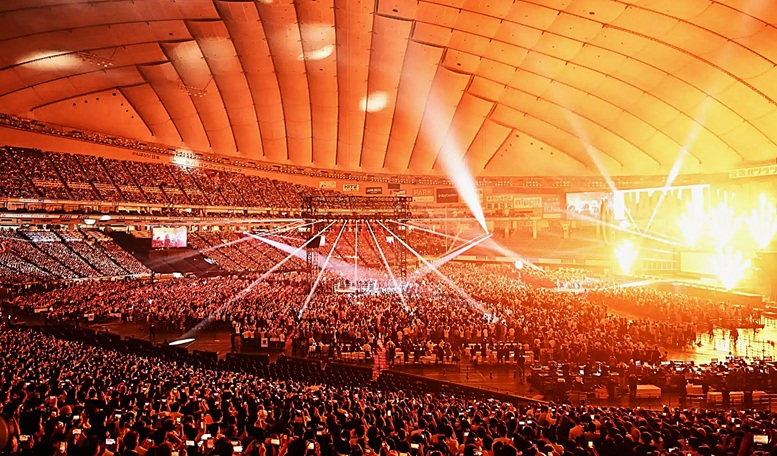
After another hour in the sluggish lines, I arrived at the Dome and was immediately greeted by a juvenile lady holding a jetpack with a beer. Would I like one? Indeed, I would do it. “Sorry, out of cash.” Both bank cards and mobile payments were quickly declined and, faced with the grim prospect of no food or drink for the next ten hours, I squeezed through the hall and pulled back the curtain to reveal a huge arena capable of holding 55,000 spectators. Halfway through the first fight, the stands were filling up quickly. Fortunately, my buddy managed to top up his metro card which he could spend at the food stands, but the end of the line was out of sight and each trip to the master’s room was a half-hour investment in crowded corridors.
The undercard flew by quickly, despite the terrible queues between fights and all six fights going the distance. The highlight was the national barnburner fight between Sora Tanaka and Jin Sasaki, while Inoue’s younger brother Takuma impressively defended his WBC bantamweight title against a local legend Kazuto Joka in main support. Ioka, a four-division champion who is retiring soon, drew rapturous applause in recognition of an accomplished career. It was also great to see Terence “Bud” Crawford at ringside, he also received an enthusiastic reception.
At approximately 9:30 p.m., emcee Michael Buffer signaled the start of the main event. Nakatani entered first, looking relaxed in his shiny gold robe. Then there was an epic ringwalk for the undisputed champion, flares and lights blazing to the rhythm of a clamorous electric guitar solo, a spectacle worthy of any season in Vegas, Wembley or Riyad. Standing silently with the audience during the national anthem, I admired the moving panoramic view, the Japanese flag flying on the huge screens overhead, and anticipation radiating throughout the arena. Buffer’s iconic catchphrase was duly delivered, another item was checked off my boxing bucket list, and it was time.
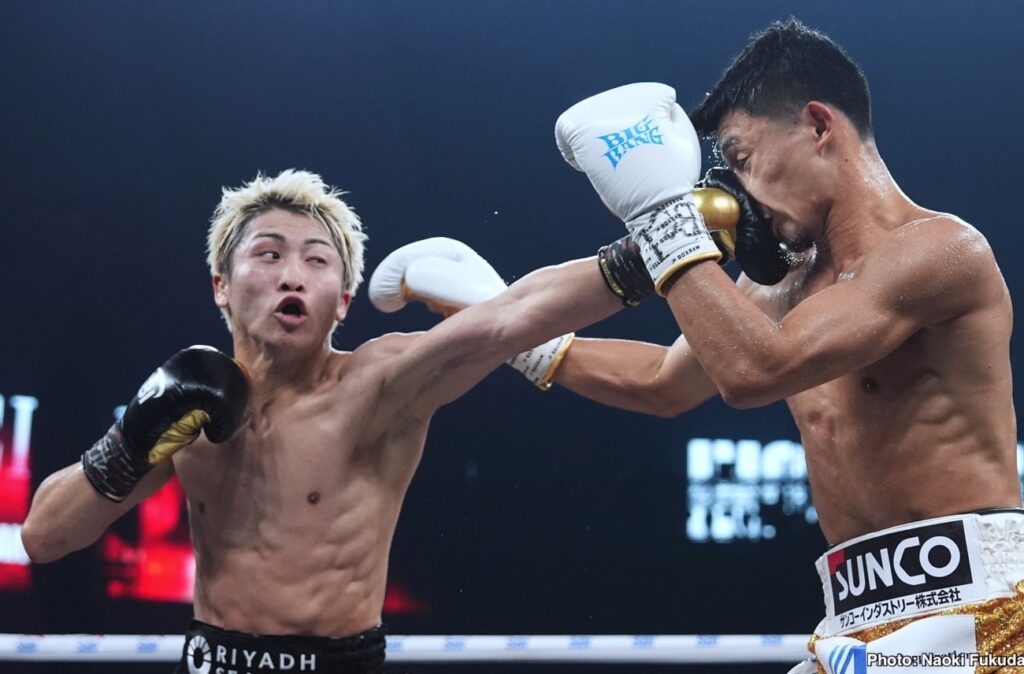
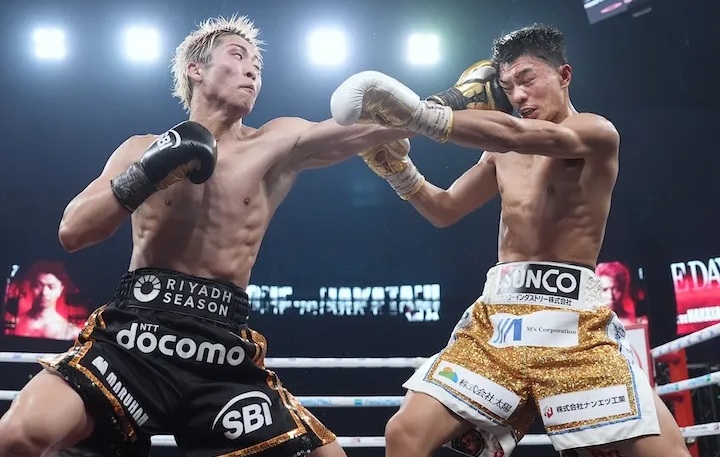
The clash of stances and strategies was evident from the very beginning, with both men feinting, baiting and moving into position in what was a classic high-stakes chess match. Inoue was busier and more aggressive early in the match, although he did go too far at times; Nakatani was more reactive, anticipating a devastating left-handed counter-attack, and several whistled just millimeters from impact. Things got heated midway through as ‘Gigantic Bang’s offensive rhythm began to gain momentum and ‘The Monster’ was forced onto his back foot, his usual shot repertoire deserting him. Great fights inevitably ebb and flow, and after Nakatani’s sustained wave of momentum, the champion re-established himself, landing solid rights and connecting left uppercuts to consolidate his authority in the final stretch.
Turning to himself after the final bell, my friend looked exhausted. “I feel like I haven’t been breathing since the fight started. Who won?”
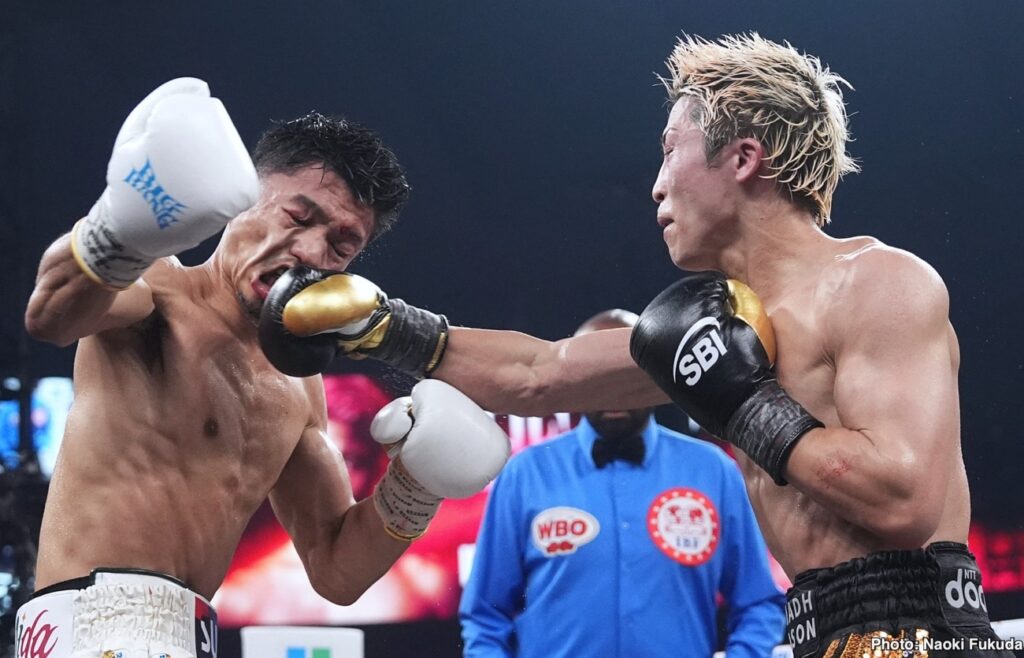
“Inoue. There will be unanimity.” I had no doubts. Enjoying the atmosphere and absorbed in the action, I didn’t do live round-by-round recaps, but I thought it would be an 8-4, 7-5 fight, and that’s exactly how it was announced. Nakatani fought brilliantly and proved his worth beyond any doubt, but Inoue earned a well-deserved victory against his biggest rival on his biggest stage ever.
Despite this, there was still the feeling that the performance was somehow disappointing. Were Junto’s chances unfairly denied, or was the weight of expectation just too much? Inoue later admitted to feeling “relieved” to realize the huge impact on his mental toughness. There may also have been evidence that at the age of 33 his skills had declined slightly. Or perhaps, more accurately, we simply saw a great warrior do what he should against an elite opponent: fight, adapt, regenerate, and triumph.
Leaving the stadium proved almost more complex than entering the stadium, with thousands of bodies pushing through the revolving exits one by one. Stepping outside and sighing loudly under the glowing Dome, the crowds and energy of the great fight dissipated into the night as we walked through the city, avoiding the subway. The cry of “Nao-ya!” from a passing group, we were momentarily surprised; Realizing that it was a shout out to my “Monster” T-shirt, we returned cordial smiles and thumbs-up shouts: Inoe! Inoe!
We arrived at Golden Gai, a maze of narrow streets with over 200 petite bars, and we shook off a particularly persistent tout by walking into a random door. “Hi. Our cover fee – what, Inoue fight?”
It just so happened that a huge boxing fan was working at the door we chose. Five minutes of emotional conversation later, we still hadn’t sat down. As he enviously asked us about the fight, we were more than ecstatic to regale him with our stories from behind the ring. When my friend pulled some Inoue stickers out of his souvenir bag and gave them to our fresh companion, he held them up like a winning lottery ticket.
“For me? Woaaah, Sugoi!” (Incredible). “Next round free for you.”
Conversations about boxing flowed freely behind schedule into the night, bringing back memories of the greatest hits of Inoue and other notable Japanese boxers. Finally saying our fond farewells and still coming off the peak of the fight, we zigzagged through the still bustling, neon-lit streets as the morning sun began to rise, reflecting on the day’s events, pound-for-pound rankings, and potential future matchups.
By Sunday, reports were already circulating on social media that “Uncle Turki” wants to stage a mouth-watering megafight in 2027 between Inoue and “Bam” Rodriguez. The seed has been sown. Could we go again? Can a once-in-a-lifetime expedition be repeated? Absolutely. Forget about wasting hours in queues and almost losing your mind in the maze-like subway. The sights and sounds of Tokyo, the izakayas, the people, the Dome, the beltways, the Monster… it was worth every penny.
What an event. What a journey. A fight fan’s dream come true. —Matt O’Brien
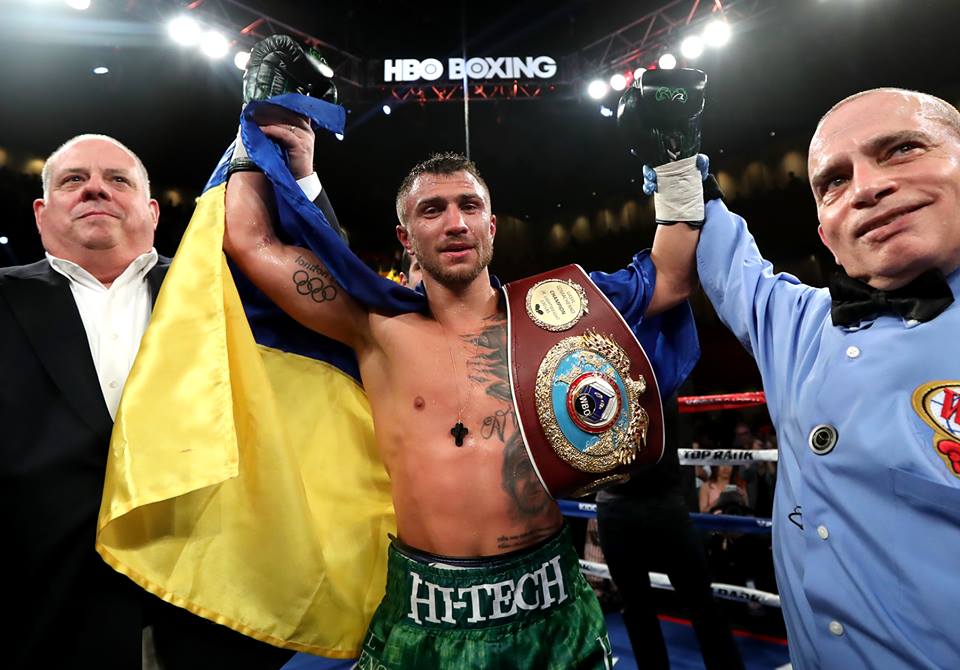
On this day in 1988 in southwestern Ukraine, a future champion, a true recent champion, was born, and that’s all the excuse we need to revisit our take on one of “Hi-Tech’s” most impressive performances with Lee Wylie’s excellent film about Lomachenko’s ring brilliance, “The Tricks.” Elated birthday from everyone at The Fight City to the one and only Vasyl Lomachenko. Check it out:
On Saturday night, MGM National Harbor in Oxon Hill, Maryland hosted arguably the most talented player in the game, Vasyl Lomachenko, who, dressed in green and black in homage to his latest nickname, “The Matrix,” well and truly lived up to the lofty expectations many had for him. Indeed, he made a show that could be considered science fiction, and it was a miracle.
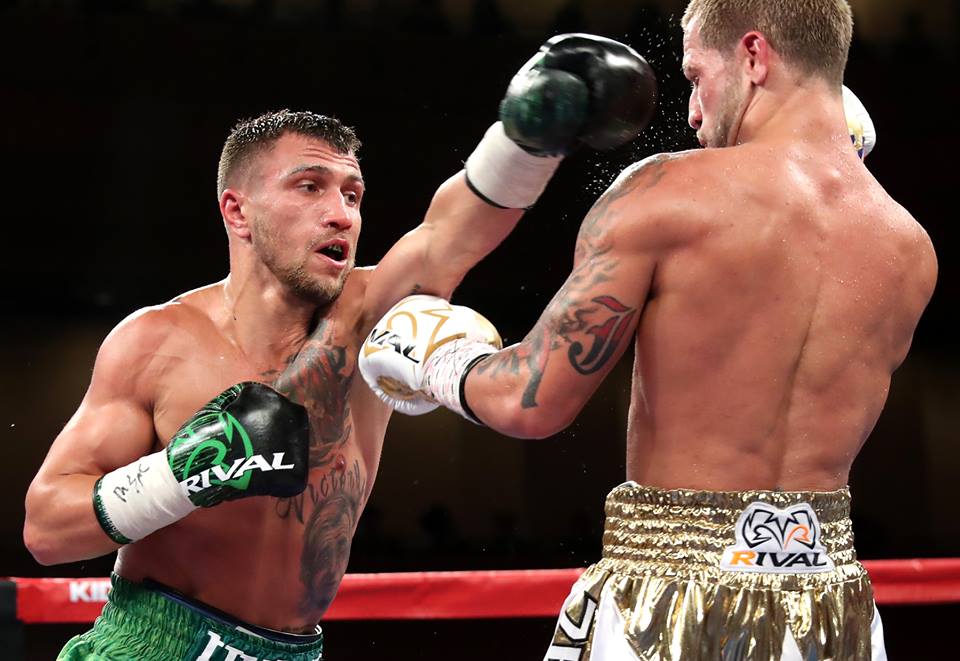
Against the tough Jason Sosa, Lomachenko was simply dazzling. What was admirable was the way he switched seamlessly between offensive brilliance and defensive skill. Much of that genius came from his masterful footwork; superlatives alone do not fully convey the virtuosity of his movements. Lomachenko reads his opponents similarly to Neo’s “matrix” and it is almost unfair.
Sosa turned out to be his match opponent and gave his all to fight Lomachenko, but it was clear that he had no chance against the Ukrainian. It was a break from the first bell. Most of Sosa’s punches seemed to only land in the air, and instead he was peppered with punches from all sides.
Only after nine one-sided rounds did Sosa stop the fight from a corner kick, although one can’t lend a hand but feel that if Lomachenko hadn’t been having so much fun, he might have ended it earlier. Like a cat playing with a mouse, Lomachenko was playing with his superior opponent. He taunted Sosa, effortlessly dodging punches, at one point imitating a matador taunting a rushing bull with his cape; he even imitated the clearly armed Sosa several times to better demonstrate his complete superiority. It’s clear that Lomachenko’s showmanship is now a key part of his personality.
In the end, “Hi-Tech” landed 275 punches compared to Sosa’s paltry 68 punches. The fight wasn’t even, but finding a worthy opponent for the former amateur star is clearly becoming a arduous task. Looking not only at his dominance over Sosa, but also at his one-sided victories over Nicholas Walters and Roman Martinez, one can’t lend a hand but feel that nothing low of the best opponent available could even dream of giving the Ukrainian virtuoso a competitive battle, let alone beating him. According to the man himself, reunification is currently at the top of the list, but if it fails, the next step will be to jump on the scale.
“I’ll call Bob (Arum) and tell him I only want to fight champions,” Lomachenko said after the fight. “I’m going to ask if we can get any of the 130-pound champions. If they refuse to fight, I’ll move up to 135. I’d like to fight Flanagan in England. [Mikey] Garcia would be great. I would like to fight this fight soon.”
Garcia and Flanagan are breathtaking matchups, but it looks like Lomachenko has other gigantic names in his sights as well. There’s also the only fighter to beat him in the professional rankings, Orlando Salido, and another pound-for-pound title contender in Terence Crawford.
“The first time we fought, I felt like a third-grader fighting a 12th-grader,” said Lomachenko of “Siri.” “Now I’ve graduated and I want to invite Salido to my university. And I’m heading towards Terence Crawford. I know it’s a gigantic fight and I know people want to see it.”
However, regardless of what matches take place in the coming months, Lomachenko has already proven that he is one of the most talented fighters to grace boxing in many years. This is a unique and astonishing talent, the kind we only see a few times in each generation. His skills are unmatched in contemporary fighting games, and the only drawback is that without famed opponents to fight, it is possible that his unique talents may go undiscovered by mainstream sports fans. And that would be a real shame. —Daniel Attias

How to sum up the just ended year in professional boxing? As we look back to 2025, we’re obviously grateful for Terence Crawford and Naoya Inoue, as well as Jesse Rodriguez, Fabio Wardley, Conor Benn and Chris Eubank Jr., but we’re also a bit frustrated with the lackluster activity levels of so many of the sport’s top talents and the overall dearth of high-level fight cards. For some of us here on your favorite independent boxing site, getting used to 21st century boxing is still a challenge. That said, this post is about taking some time to acknowledge the achievements of the year just ended and highlight the positives. So, without further ado, the fights and fighters who have earned our recognition and desired awards. Check them out:
Nominations for “Annoyance of the Year”:
Rolando Romero W12 Ryan Garcia
Fabio Wardley via 11 TKO of Joseph Parker
Armando Resendiz W12 Caleb Plant
Aaron McKenna W12 Liam Smith
Brown tiara SD10 Skye Nicolson
Lewis Crocker W12 Paddy Donovan
Winner: Armando Resendiz W12 Caleb Plant
Resendiz had two losses in his last five fights and was considered just a busy opponent for Plant, who seemed to be established at the elite level of the super middleweight division. However, all preconceptions about this match were quickly forgotten when the underdog Mexican, clearly dissatisfied with Plant’s credibility, defied all expectations, not only causing a huge upset, but doing so emphatically and even coming close to scoring. It was a huge shock that forced everyone to reassess the position of both players.
Knockout of the Year nominations:
Masataka Taniguchi KO3 Condor Inaba
Fabio Wardley KO10 Justis Huni
Cayden Griffiths KO10 Fernando Elias Ruiz Hernandez
Anthony Joshua KO6 Jake Paul
Janibek Alimkhanuly KO5 Anaeul Ngmissengue
Elilf Nur Speak TKO6 Beatriz Ferreira
Brian Norman Jr KO5 Jin Sasaki
Winner: Anthony Joshua KO6 Jake Paul
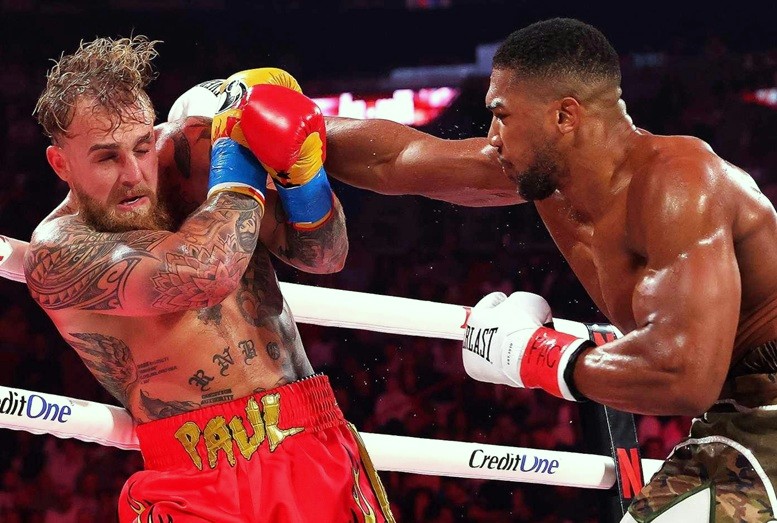
One devastating right hand not only broke Jake Paul’s jaw in two places, but effectively ended his absurd claims to being an elite professional boxer once and for all. Some have been more spectacular, more brutal and more shocking, but no other knockout in 2025 has had even a greater impact on the sport. With any luck, Jake Paul’s boxing experiment will finally come to an end.
Nominations for the round of the year:
Chris Eubank Jr. vs. Conor Benn 1, round 12
Isaac Cruz vs. Angel Fierro, round 10
Abdullah Mason vs. Sam Noakes, round 11
Jesse Rodriguez vs. Fernando Martinez, round 10
Richardson Hitchins vs. George Kombosos Jr, round 8
Terence Crawford vs. Canelo Alverez, round 9
Joseph Parker vs. Fabio Wardley, round 10
Naoya Inoue vs. Ramon Cardenas, round 2
Cristobal Lorente vs. Nate Collins, round 6
Winner: Abdullah Mason vs. Sam Noakes, round 11
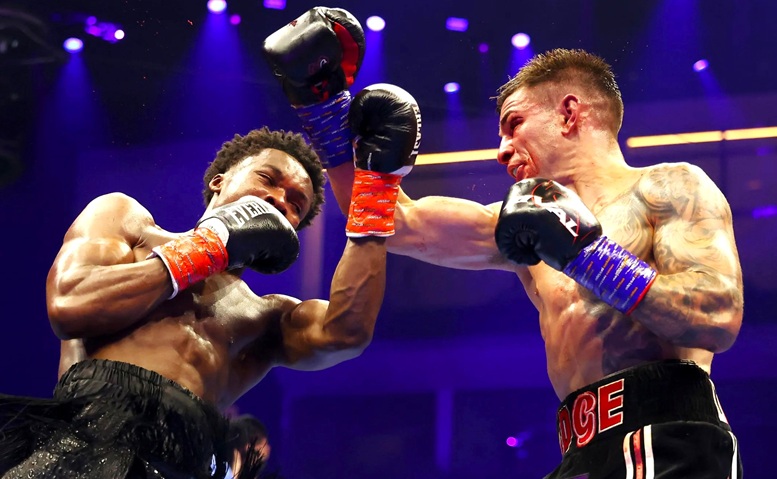
Mason vs. Noakes was a standout match in a year of excellent action-packed fights, and one of the main reasons for that was the three minutes of the penultimate round of the fight, a thrilling war within a war filled with acute exchanges and changing dynamics that kept fans on the edge of their seats from bell to bell. This epitomized the constant nature of the brutal battle itself, which showcased the high skill, stamina and incredible heart of both fighters, with Mason ultimately winning by unanimous decision.
Performance of the Year nominations:
Dmitry Bivol W12 Artur Beterbiev
Terence Crawford W12 Canelo Alvare
Naoya Inoue W12 Achmali
Jesse Rodriguez KO10 Fernando Martinez
Alycia Baumgardner W12 Leila Beaudoin
Katie Taylor W12 Amanda Serrano
Winner: Terence Crawford
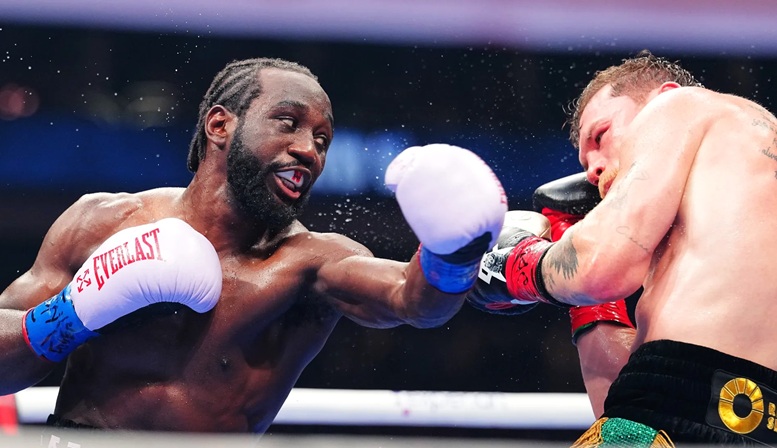
It wasn’t that long ago that Terence Crawford was a welterweight and many of us may have thought “there’s a reason they have weight classes” when the Crawford vs. Canelo fight was first announced. Also significant was the fact that Canelo had established himself as the undisputed king at 168 pounds, occasionally moving up to lightweight heavyweight, so once again, Crawford vs. Canelo looked on paper like the proverbial “good massive man vs. good little man” fight, which, as any student of boxing history knows, usually doesn’t end well for the smaller man. So it was a surprise and an impressive performance when Crawford not only won, but outclassed Canelo with a masterful display of skill and flair to take a one-sided decision and claim a historically significant victory. Unlike other awards, choosing “2025 Performance of the Year” was basic.
Fight of the Year nominations:
Chris Eubank Jr. W12 Coner Benn
Dmitry Bivol W12 Artur Beterbiev
Katie Taylor W12 Amanda Serrano
Kenshiro Teraji via TKO12 Seigo Yuri Akui
Shadasia Green W10 Savannah Marshall
Naoya Inoue KO8 Ramon Cardenas
Christian Mbilli D10 Lester Martinez
Total Nakatani W12 Sebastian Hernandez
Winner: Kenshiro Teraji via TKO12 Seigo Yuri Akui
2025 was an exceptional year for dramatic, action-packed battles, which made choosing our Fight of the Year quite a challenging task, but in the end we had to say that nothing could top the fireworks that accompanied the March flyweight unification bout between Japanese fighters Teraji and Akui at the Ryogoku Kokugikan Arena in Tokyo. There was action throughout the match, round after furious one, before Teraji, lagging behind on the scorecards, charged with momentum to force a dramatic stoppage in the twelfth and final round.
Warrior of the Year nominations:
Terence Crawford
Katie Taylor
Jesse Rodriguez
Naoya Inoue
Jai Opetaia
Urban: Assist me
Not that there is any doubt about these parts, but 2025 can be considered the year Naoya Inoue proved beyond any doubt that he is an all-time great boxer. As everyone knows, four championship victories in one calendar year is an extraordinary achievement in today’s fighting game, but in this case it is even more extraordinary because Inoue is 32 years senior and has been competing at the championship level since 2014. And he is still undefeated.
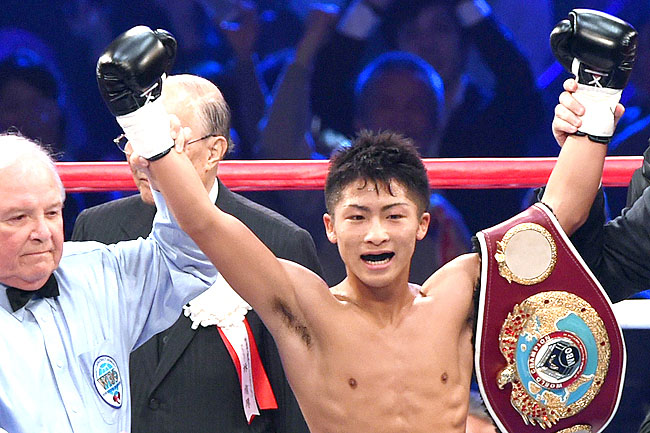
Besides, these weren’t four routine title defenses. Both Murodjon Akhmadaliev and Ramon Cardenas presented significant challenges; both were ranked high in the super bantamweight division and both deserved a chance to fight for world titles. Inoue had to recover from a knockout to beat Cardenas by eighth-round TKO, and Akhmadaliev’s skill was such that one suspects that nothing less than the superb technical execution the champion delivered could have neutralized the tough Uzbek. Yes, the victories over Alan Picasso and Ye Joon Kim were more superficial, but also dominant.
To recap, Inoue not only scored four championship victories in 2025; he gave four master classes in the art of boxing, losing several valuable minutes, not to mention rounds, while eliminating two of the most threatening challengers remaining in his division. If anyone had any doubts about Naoya Inoue’s greatness, 2025 should have eliminated them. He is an all-time great fighter and is once again our Fighter of the Year. –Robert Portis

Rocky Marciano vs Mike Tyson: A Clash of Speed and Stamina in Boxing History

WBC World Title Bout: Smith vs Puello – A Clash of Champions

Navarrete vs Foster: Title Unification Predictions and Analysis


-
 MMA2 days ago
UFC 333 press conference video
-
 MMA2 days ago
TJ Dillashaw predicts Petr Yan vs Merab Dvalishvili trilogy at UFC 333
-
 MMA2 days ago
Alex Pereira admits he feels bad for Herb Dean following recent criticism
-
 MMA2 days ago
Alex Pereira admits he feels bad for Herb Dean following recent criticism
-
 Boxing2 days ago
Former Heavyweight Champion Warns Fabio Wardley: Retirement Crucial for Health
-
 Boxing2 days ago
Joe Cordina Set to Face Manny Pacquiao in Exciting Showdown
-

 Boxing2 days ago
Shakur Stevenson Gains Eddie Hearns Support as Matchroom Promotions Discussions Start
-
 Boxing1 day ago
Vergil Ortiz Jr. vs. Keith Thurman PPV Fight Set for December 5