Boxing
What does Boxxer’s modern contract mean for boxing?

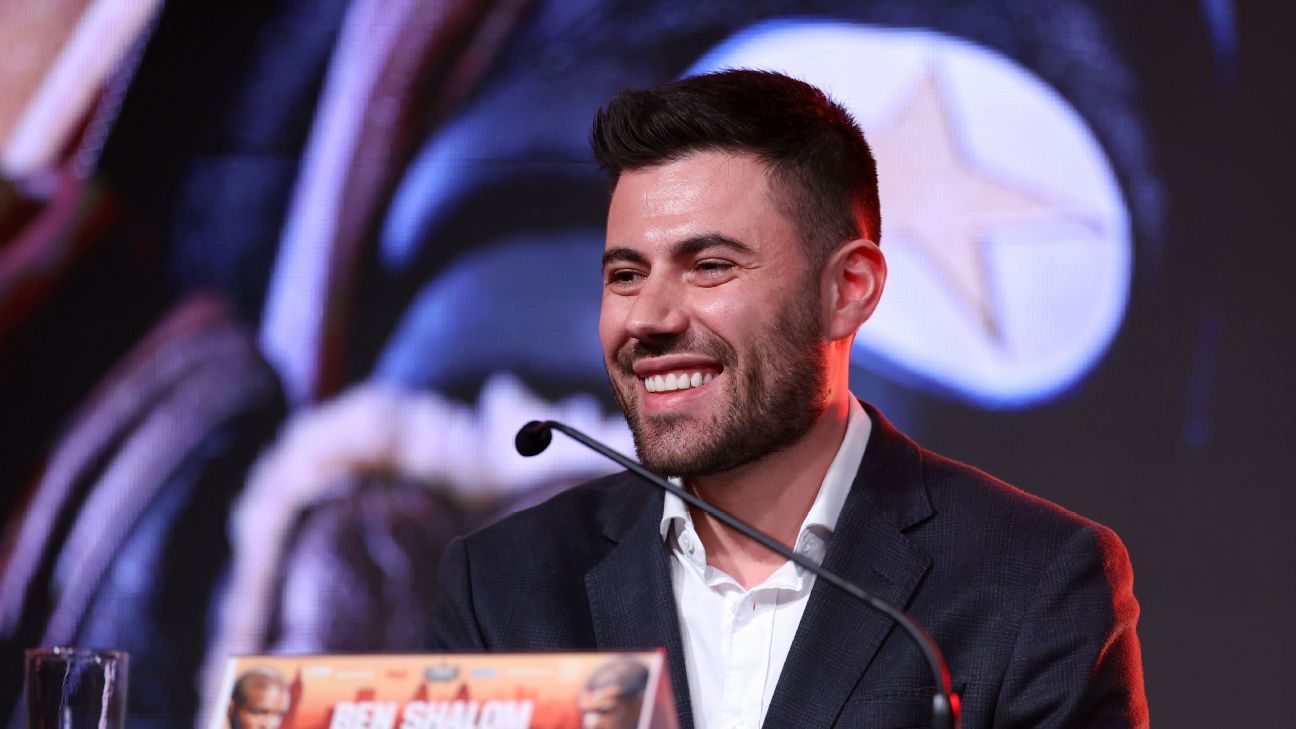
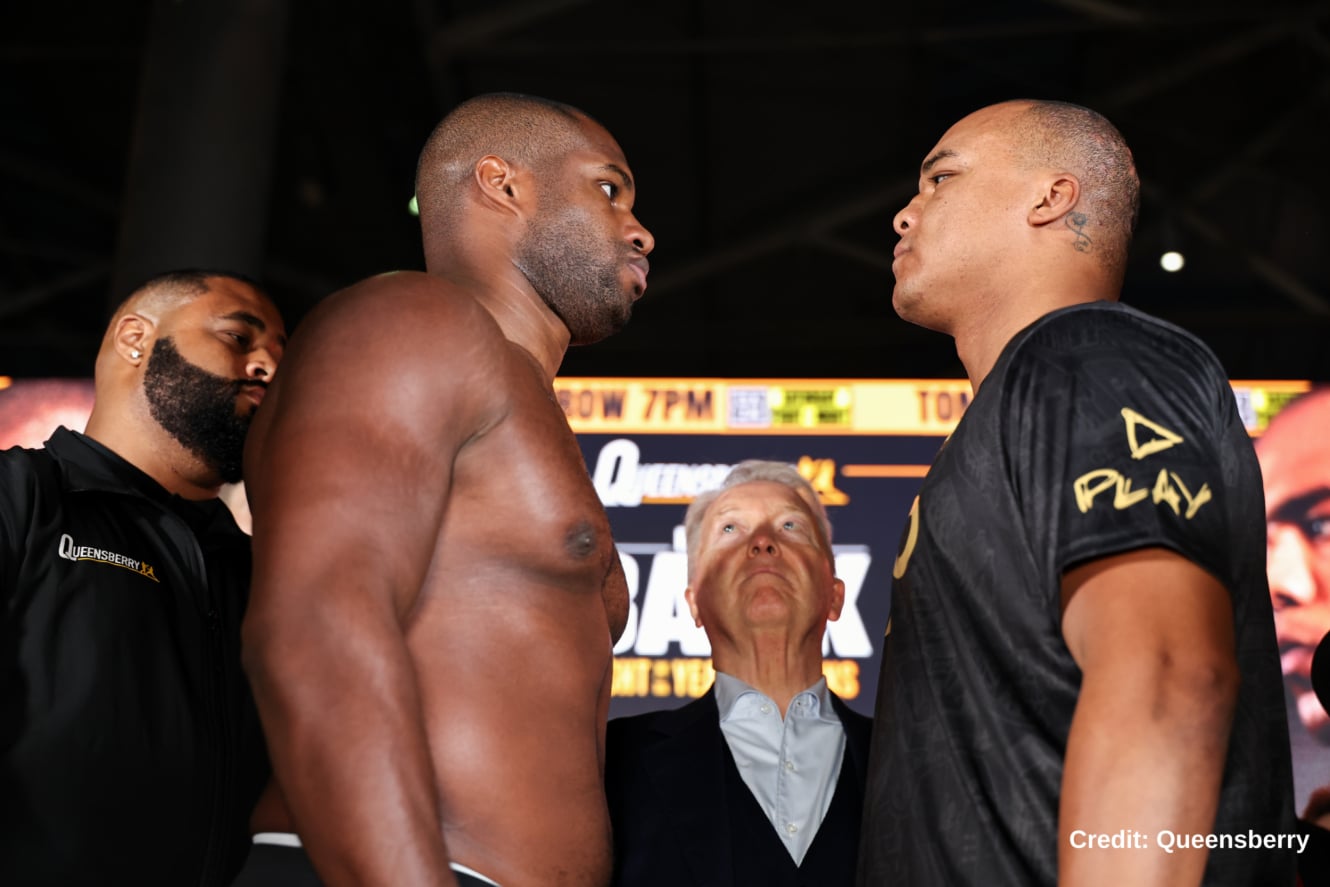
Fabio Wardley can turn his early success against Daniel Dubois into a rematch victory if he avoids exhausting himself chasing the finish. He proved he could hurt Dubois in their first fight. The harder task is keeping control when an opponent he has dropped continues coming forward.
Wardley scored two early knockdowns before Dubois recovered and stopped him. That leaves an opening for a different result, although better pacing alone may not be enough to prevent another punishing night.
Chris Mannix and Sergio Mora both back Wardley to win again on Saturday, with Mannix choosing him by stoppage. Mora believes Wardley’s eagerness to finish Dubois helped undo his promising start.
“If he just doesn’t punch himself out, he thinks about setting up that right hand, doesn’t get right hand happy,” Mora said to DAZN Boxing.
That is the adjustment Wardley needs to make under pressure. Once Dubois survived his biggest punches, Wardley needed something beyond another loaded right hand. Working behind his jab and putting punches together would give him more ways to attack without spending everything on a single finish.
Dubois deserves credit for surviving those knockdowns and returning to his jab. Mora believes his previous defeats helped him stay composed when Wardley hurt him. Wardley now has his own experience of a fight turning against him.
“I think he’ll be smarter after this fight. I think he’ll learn some lessons,” Mannix said. “I think Wardley wins by stoppage in this fight.”
Mannix’s biggest concern is what the first beating took out of Wardley. Learning the tactical lesson does not guarantee he will absorb Dubois’ punches the same way in the rematch.
Wardley’s power gives their picks a credible foundation. He has already put Dubois down twice. To complete the job, he needs to create another opening without allowing the pursuit of a knockout to leave him exhausted and exposed again.

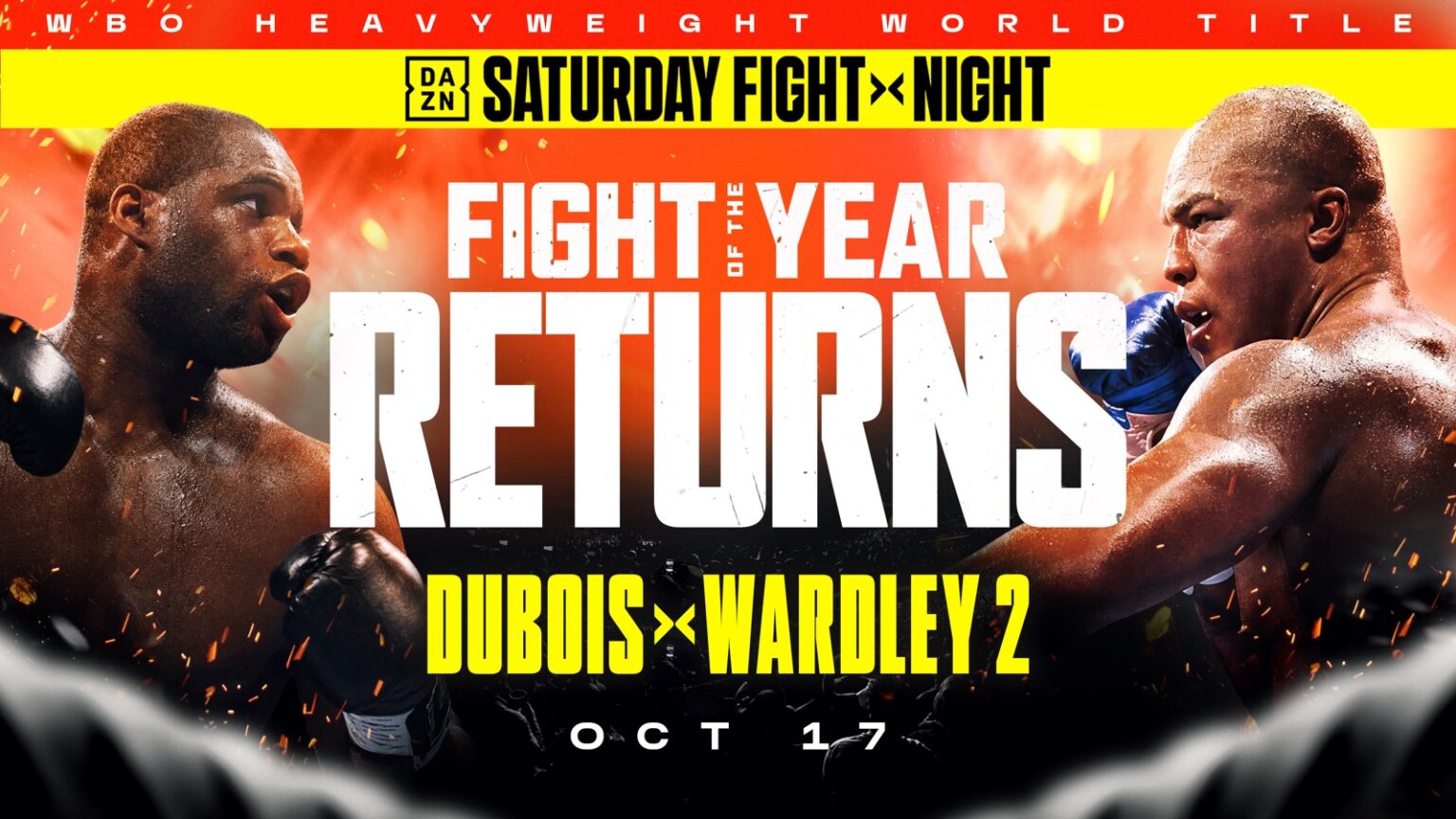
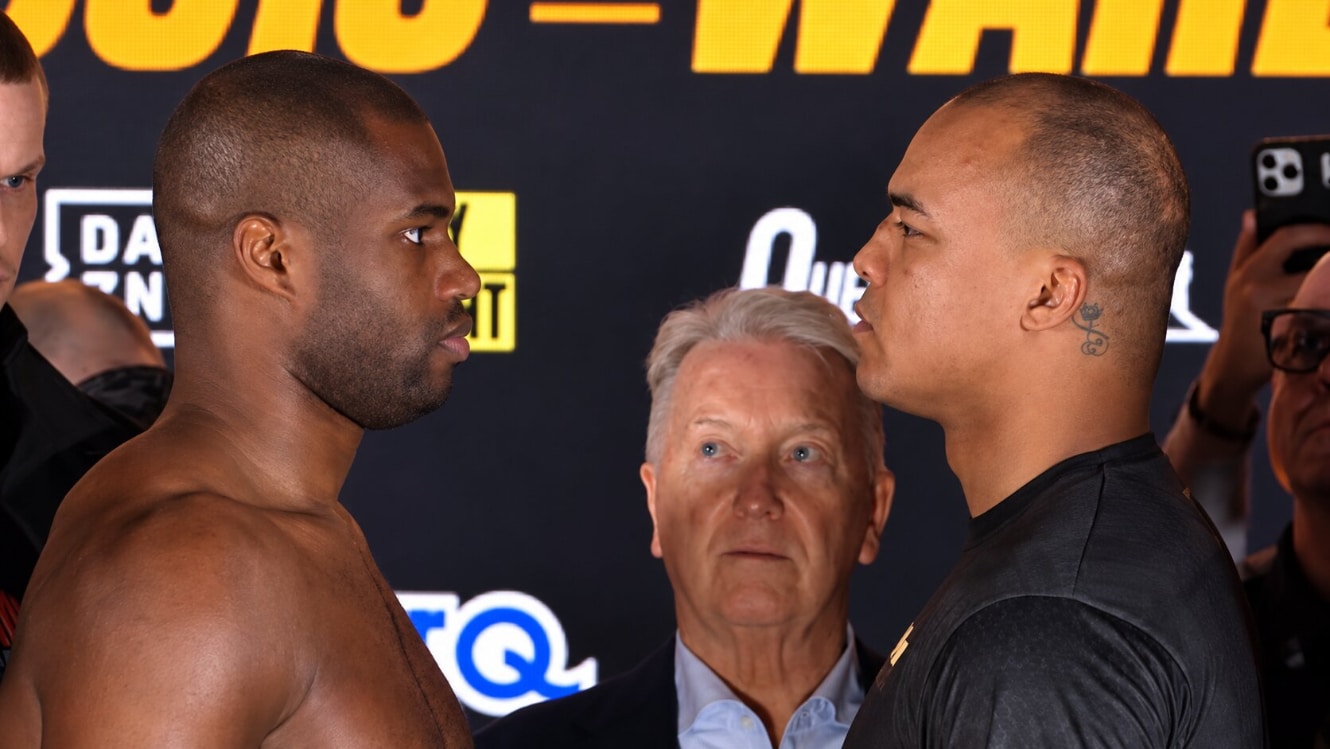
Fabio Wardley’s team wants tighter control of Daniel Dubois’ head-first attacks in Saturday’s rematch, with manager Michael Ofo calling for stronger officiating after their first fight.
The concern is about Wardley being able to punch without Dubois driving into him with his head. Those collisions can interrupt an attack, knock a fighter out of position, and make him hesitate before throwing again.
Dubois recovered from two knockdowns to stop Wardley in May and take the WBO heavyweight title. Ahead of their return at London’s O2 Arena, Ofo has accused the champion of leading with his head and using a tackle during that fight.
“We’re calling for a stronger referee, because it’s needed,” Ofo told Sky Sports Boxing.
Dubois’ trainer Don Charles rejected the criticism, describing the opposing camp’s complaints as “insecurity and weakness.”
Wardley’s camp has a reasonable case for asking the referee to watch those entries closely. When Dubois comes forward behind his punches, head contact can make it difficult for Wardley to plant his feet and counter. Intent is difficult to establish, but repeated collisions still need attention.
That becomes especially important if Wardley hurts Dubois again. He needs the opportunity to follow up without a foul interrupting his work and giving the champion time to recover.
However, Wardley cannot build his approach around the referee intervening. His jab has to give Dubois something to get past, and combinations would make him less predictable than loading up on individual power shots. Moving after punching could also reduce the opportunities for Dubois to drive into him.
Wardley showed he could hurt Dubois in the first fight. The harder task is turning those moments into a finish while avoiding another punishing battle at close range. Firmer officiating could help, but his own adjustments will have to do most of the work. Wardley cannot rely on the third man to solve that puzzle.
If Dubois is going to be stopped from barreling in head-first, Wardley has to make the physical cost of doing so intolerable, just like Oleksandr Usyk did.


Mannix and Mora Support Fabio Wardley in Quest for Vengeance

Fabio Wardleys Team Advocates for Strict Foul Monitoring Against Daniel Dubois

Kayla Harrison says she might not have returned without Amanda Nunes


-
 MMA2 days ago
Morning Report | Kayla Harrison opens up about injury layoff and possible retirement
-
 MMA2 days ago
Morning Report | Kayla Harrison opens up about injury layoff and possible retirement
-
 Boxing2 days ago
Frazer Clarke Declares Fabio Wardley Hits Harder Than Daniel Dubois: Massively | Boxing News
-
 Boxing2 days ago
Improving Matchmaking for Fury vs Joshua Undercard: Key Strategies for Better Fights
-

 Boxing1 day ago
Keith Thurman Analyzes Devin Haneys Chances Against Shakur Stevenson in 145lb Catchweight Fight
-
 MMA2 days ago
UFC reportedly lets 16-0 Farid Basharat walk after seven wins
-
 MMA1 day ago
Jasmine Jasudavicius expects Erin Blanchfield to wrestle 'once she feels these hands' at UFC Edmonton
-
 Boxing2 days ago
Ex-Klitschko Manager Backs Dubois as UK Boxings New Number One Over Fury and Joshua