Boxing
The biggest weaker boxing wins
Published
1 year agoon
World Boxing News presents one of the most memorable victories of the weaker in the history of boxing.
Every sport with one man with another will have more thrilling threads than team sport.
People become more emotionally invested in weaker when they face the challenge. Especially when all clever money says he is going to be badly knocked out.
Even tomato cans that occupy a career, getting up to be knocked down by the title of hope on the way to the top, have their fans who live in the hope that one day they will overcome the chances and win.
Almost all the biggest boxing stars were weaker at some point in their careers or lost to the weaker.
Here are some of our best types for the biggest wins weaker in boxing.
Burster Douglas vs Mike Tyson (1990)
When Buster Douglas entered the ring to face Mike Tyson, no one expected that he would come back at the end of the fight as a heavyweight master WBA, WBC and IBF, but that’s what happened. The fight is considered one of the biggest threads in the history of boxing.
Tyson entered the fight as an invincible heavyweight master and was recognized as a pound of the world in the world as a pound.
Douglas also had a good record at 29-4-1, but the chances of winning were still 42-1.
Douglas dominated most of the early rounds, and Tyson looked slower than usual and indefinite.
In the eighth round Tyson managed to knock down Douglas and was almost counted.
However, in the last round Douglas landed in a solid upper one, who first knocked down Tyson in his career.
Muhammad Ali vs Sonny Liston (1964)
This fight is another claimant for the greatest nervousness in the history of boxing. Sonny Liston was the world champion in weighty weight that was fighting.
He won the title after defeating Floyd Patterson in a knockout in the first round, which showed his dominance.
Muhammad Ali was a younger warrior, but he had already impressed. He spent the weeks preceding the Poston Up match, hoping that he would be too bad at Sassy Teenage Fighter, who will fight the best.
This is what happened. After six penalty rounds, the poston spat out his position and confessed to the defeat.
His arm was essentially paralyzed and it didn’t make sense. At this point, Ali began his first rule as a world champion in weighty weight.
The rematch between Ali and Poston from 1965 also ended the victory for Ali, although this match was so one -sided and so quickly that many suspected that it was a constant fight.
The suspicious death of Listona just a few years later adds support for this theory because he was probably murdered.
Hasim Rahman vs Lennox Lewis (2001)
In the lack of a defense of the Lennox Lewis title against Hasim Rahman, in South Africa.
The fight was settled as “thunder in Africa.” Everyone expected Lewis to bring most of the thunder – it would be his fourth defense of the title, and he was prepared to fight Mike Tyson in the same year.
Lewis should treat the fight and his opponent a bit more seriously. He did not train at height, even though there are 5000 feet above sea level and came to southern Africa only a few days before the fight.
On the other hand, Hasim Rahman gave himself almost a month in South Africa to adapt.
Despite this, the first four rounds were close, and each warrior held his own. At the end of the fourth round, Rahman gained an advantage over feeble Lewis.
Lennox tried to throw a blow to the fifth round. However, when he came to an end, Rahman successfully knocked out the master and won the title.
It was a brief time as a master. In November of the same year, Rahman again faced Lennox in a rematch.
Lewis won with Nokaut in the fourth round and regained his titles. Sometimes the weaker time at the top is very brief.
Corrie Sanders vs Vladimir Klitschko (2003)
Vladimir “Dr. Steelhammer” Klitschko and Corrie “The Sniper” Sanders met in a match settled as “the next great thing”.
Klitschko was the prevailing heavyweight champion WBO, and Sanders was rated in 11th place.
However, no matter how weaker it can be, Southpaw always has a decent chance of nervous about the orthodox boxer.
This is what happened here.
Sanders did not spend much time in the ring since the defeat with Rahman in 2001, but Klitschko was still able to knock down in the second round.
Muhammad Ali vs George Foreman (1974)
Even people who do not follow boxing have heard of wood in the jungle, the eminent name that entered pop culture.
It was the showdown between the prevailing WBA champion and the heavyweight champion WBC George Foreman and Muhammad Ali was to show Foreman’s talents.
Instead, she became the first fight in which Ali demonstrated his rope-a-dope technique. He allowed his opponent to fight early so that Ali could easily enter with a knockout and end him.
Foreman was a younger man and a fierce warrior, but Ali had experience on his side. After a few rounds of Ali, who allows the brigns to bother, Ali attacked seriously during the eighth round.
He made Foreman a combination of a five -arms, ending one of the most crucial boxing wins in history.
You may like
Boxing
The Hold and Hit Trap: How It Impacted Chris Billam Smiths Career
Published
6 hours agoon
November 8, 2026
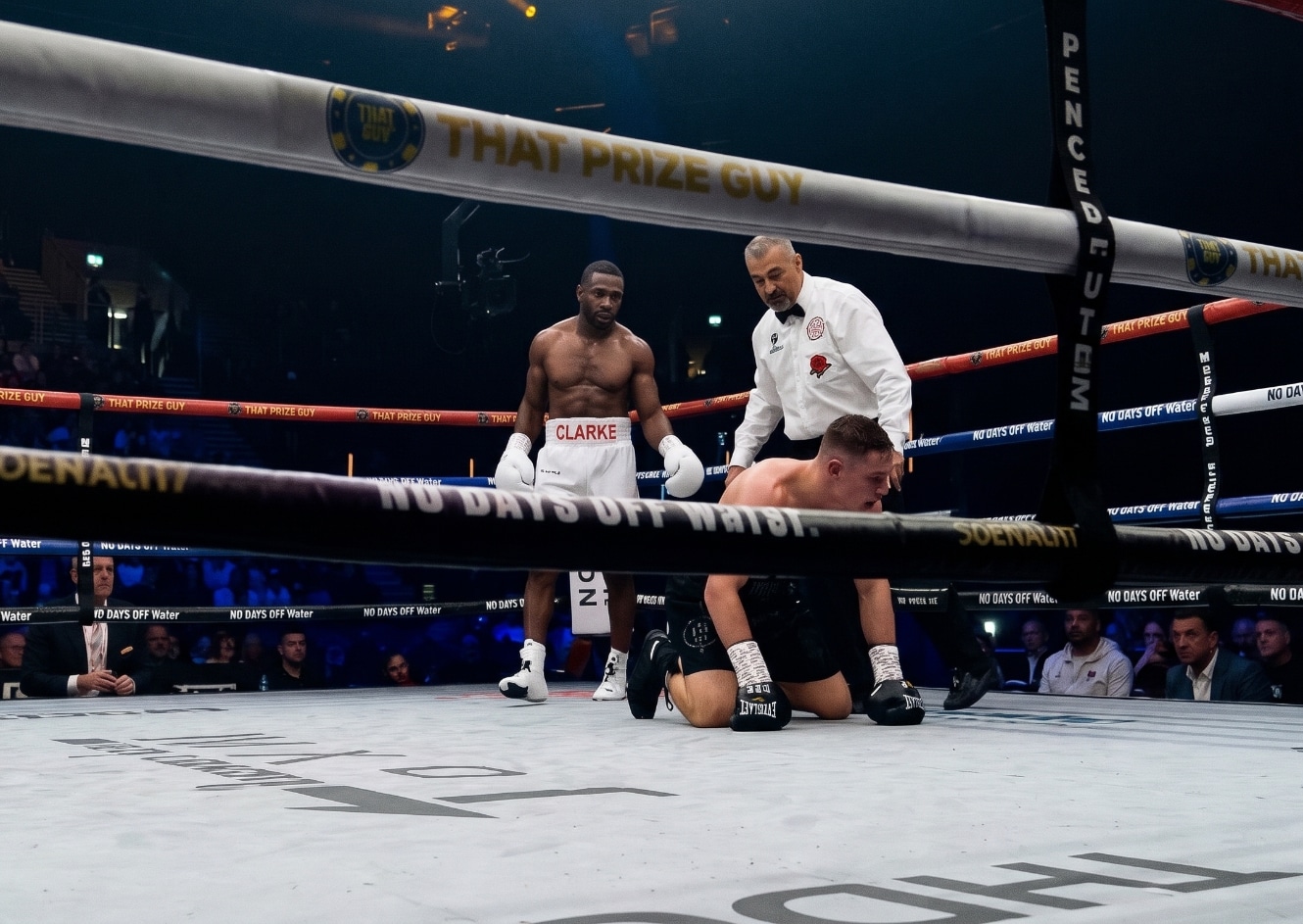
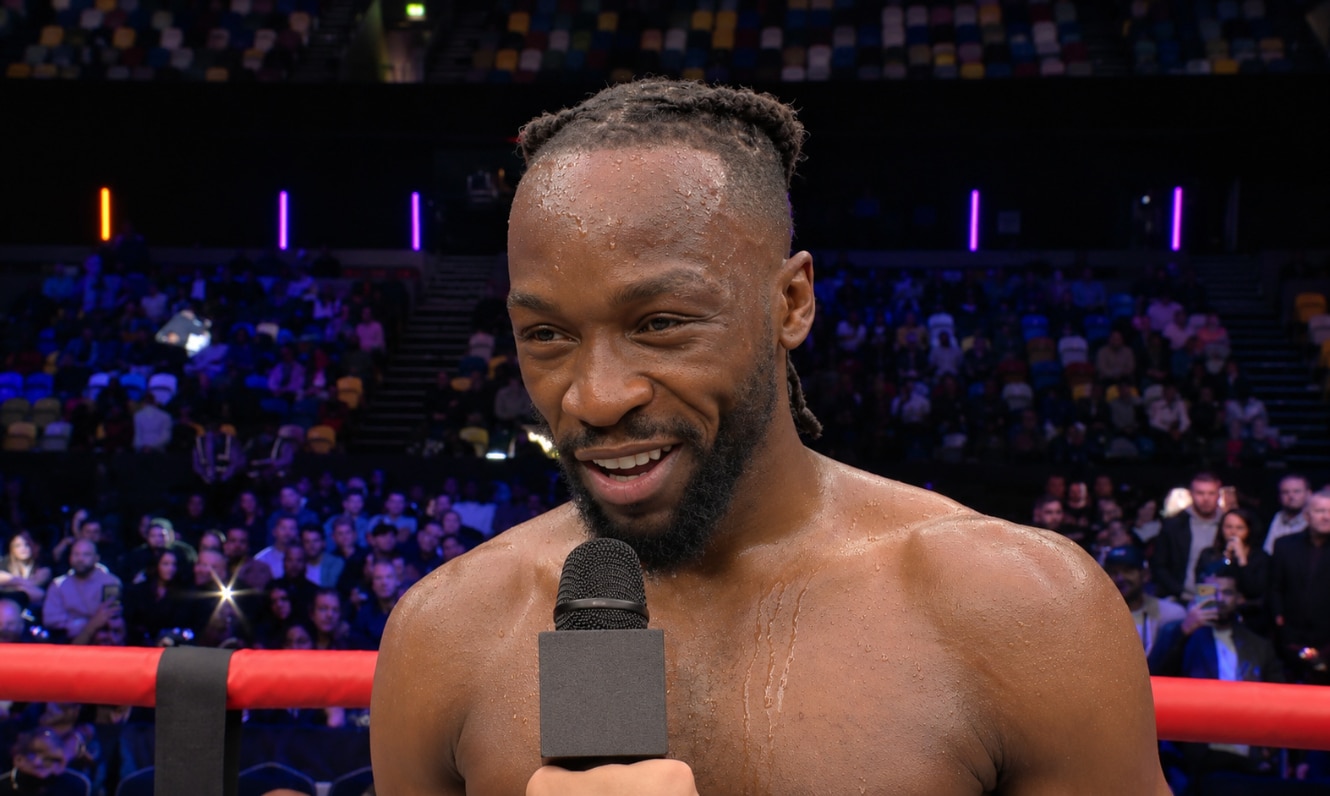
Cheavon Clarke stopped Chris Billam Smith in the seventh round at London’s Copper Box Arena, crediting former heavyweight champion Wladimir Klitschko for the tactical blueprint that unraveled the former cruiserweight belt holder.
Asked about grabbing on to mess up Billam Smith’s timing, Clarke gave full credit to Klitschko’s old tactics.
“I learned that one from Klitschko. So, shout out Klitschko. That was a Klitschko special right there,” Clarke stated at the post-fight press conference.
The maneuver served as far more than basic stalling. Inside the ring, holding functions as an offensive exit strategy. A fighter stepping back after launching an attack enters counterpunching range. Smothering the reply by stepping forward eliminates that hazard, outsourcing the retreat to the referee.
That approach neutralized Billam Smith, who relies on sustained pocket combinations to do damage. Getting inside accomplished nothing when every entry resulted in wrapped arms. Each intervention by the referee forced Billam Smith to reset, handing Clarke another opportunity to score before initiating the next clinch.
Beyond killing the return fire, Clarke used his upper torso to press his full weight downward across Billam Smith’s neck. Forcing a fighter to carry dead weight round after round burns out their legs. By the middle rounds, Billam Smith was flat-footed, lacking the spring in his lower body required to absorb contact or dip away from incoming punches.
Clarke pushed the referee’s patience to the limit, later admitting he was warned about losing a point. A verbal warning means nothing to the fighter trapped in a headlock, though. Billam Smith needed to solve the problem himself instead of waiting on the official.
All that holding set the trap for the seventh round knockout. Clarke spent six rounds getting Billam Smith used to being grabbed after every punch. When Clarke stepped in during the seventh, Billam Smith dropped his hands to brace for another clinch. Clarke did not grab him this time. He ripped hard shots straight through the open guard, dropping Billam Smith twice before the referee stopped it at 1:24.
For the rematch, Billam Smith has to stop the clinch before Clarke gets both arms around him. He needs to fight for inside control, keeping one hand free to dig hard hooks into Clarke’s ribs. Timing an uppercut right when Clarke ducks forward would also make him think twice about diving in to grab. Once Clarke has both arms locked, trying to wrestle him off just burns energy without landing punches.
Billam Smith wants an immediate rematch, but running it back without fixing that flaw will lead to the exact same result. He has to hit Clarke on the way in before Clarke grabs him and forces the referee to step in.
Boxing
Cheavon Clarke Dominates Chris Billam Smith in London Showdown
Published
6 hours agoon
November 8, 2026
Cheavon Clarke punished Chris Billam-Smith with cleaner punches before dropping him twice for a seventh-round TKO on Saturday at London’s Copper Box Arena. The finish came at 1:24, giving Clarke the biggest victory of his professional career and handing the former WBO cruiserweight champion his first stoppage defeat.
Clarke (13-2, 10 KOs) was ahead on our card entering the seventh, but Billam-Smith (22-3, 14 KOs) had just produced his strongest round. A well-timed right hand abruptly ended that recovery, sending Billam-Smith down for the first time as a professional. He beat the count, only for Clarke to attack again and force a second knockdown that brought the referee’s intervention.
The scheduled 10-round main event at Zuffa Boxing 12 carried personal history. Clarke had beaten Billam-Smith twice in the amateurs, including in the 2016 National Championships final. Billam-Smith wanted to settle that old score, but instead suffered a more damaging defeat against the same opponent.
Clarke’s accuracy was the difference from the opening round. The fight began with holding and short bursts of action, but he found the cleaner punches, including a right hand just before the bell. Billam-Smith improved in the second, closing the distance and landing heavier shots while absorbing another solid right.

That success did not become a sustained pattern. Clarke took control in the third with combinations, then edged a tighter fourth through two late right hands. Billam-Smith remained competitive, but his forward movement too often failed to produce enough clean offense.
The difficulty was getting close without paying for the journey. Billam-Smith needed to bring his hooks and body punches into range, yet Clarke repeatedly found him before he could establish that position. Following Clarke around left openings for counters and allowed the more accurate fighter to decide when to engage.
A heavy right in the fifth supplied another warning. Billam-Smith took it without visibly wilting and answered with effective punches late, but Clarke was still landing the more damaging shots. The former champion’s durability kept him competitive without solving the problems that were costing him rounds.
The sixth offered Billam-Smith a route back. He increased his output and connected with hooks to the head and body, finally making his close-range work more consistent. We had Clarke ahead 58-56 after six, with Billam-Smith having won the second and sixth rounds.
Then Clarke turned a points advantage into a decisive finish. His right hand in the seventh broke through with enough force to put Billam-Smith on the canvas. Once the former champion rose, Clarke gave him no opportunity to settle, following up until the second knockdown ended the contest.
Both fighters had entered after June stoppage victories, with Billam-Smith beating Ryan Rozicki and Clarke overcoming two knockdowns to stop Jack Massey. Those results suggested danger on both sides, but Clarke delivered the sharper work here.
For Billam-Smith, the defeat was more severe than another missed opportunity for amateur revenge. His pressure worked in spells, but Clarke’s timing prevented him from building on it. Clarke now has a stoppage victory over a former world champion, earned after controlling much of the fight rather than relying on one isolated punch.
Boxing
Denzel Bentley Scores Knockdown Against Mosley Jr. for Close Decision Victory
Published
6 hours agoon
November 8, 2026
Denzel Bentley’s knockdown helped him secure a close unanimous decision over Shane Mosley Jr. on Saturday, giving the London middleweight a hard-earned victory in his Zuffa Boxing debut. Bentley won by scores of 96-94, 96-93 and 95-94 after 10 competitive rounds at the Copper Box Arena.
Bentley (23-3-1, 18 KOs) hurt Mosley in the second round, but the American recovered sufficiently to keep the contest close through the final bell. Mosley (23-6, 13 KOs) had talked beforehand about wanting a clear decision victory on the road. Instead, he left with a defeat in which one judge separated the fighters by just a point.
The knockdown was a significant part of the result. On the narrowest card, that extra point supplied Bentley’s winning margin, illustrating how costly a single defensive mistake can become in a closely contested 10-round fight. Bentley’s power gave him a scoring advantage that Mosley’s work across the remaining rounds could not fully erase.
Mosley deserves credit for preventing the early trouble from becoming a stoppage defeat. Bentley has the punching power to finish a hurt opponent, but he could not turn his success into a comfortable evening. The American remained competitive and forced Bentley to keep working rather than allowing him to coast behind the knockdown.
Bentley’s pressure was another factor. Mosley wanted to demonstrate that he could outbox him, but doing so required more than surviving the heavier punches. He needed enough clean work to persuade the judges in rounds where Bentley was advancing and looking to impose his power.
That was the difficulty with Mosley’s pre-fight ambition of winning a wide decision. A fighter can have competitive rounds against a puncher and still lose ground sharply when he gets caught. Once Bentley had scored the knockdown, Mosley had less room to concede close rounds.
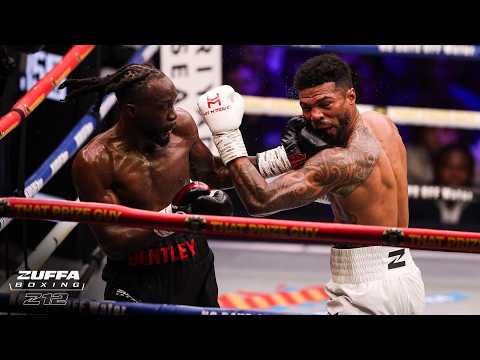
The scorecards reflected a competitive contest rather than a dominant performance. All three judges favored Bentley, but none gave him a wide margin. The 95-94 card was particularly tight, and the other two scores also left little room for Bentley to take his foot off the gas.
For Bentley, the victory followed an unsettled period outside the ring. He entered this bout after losing his WBO middleweight title status amid the dispute over his mandatory obligation to Yoenli Hernandez. Beating Mosley gave him a positive start with his new promoter, although this non-title contest did not replace the championship he had lost.
Mosley arrived after stopping Serhii Bohachuk in his previous outing, making this a setback to the momentum he had built. His durability kept him in contention, but the early damage and knockdown left him chasing points in a fight where the margins stayed narrow.
Bentley earned the result through his power and pressure, with the knockdown providing the clearest scoring advantage of the night. Mosley made him work for the decision, but could not produce the clear road victory he had promised.

The Hold and Hit Trap: How It Impacted Chris Billam Smiths Career
Cheavon Clarke Dominates Chris Billam Smith in London Showdown
Denzel Bentley Scores Knockdown Against Mosley Jr. for Close Decision Victory
Trending
-
Boxing2 days agoOscar De La Hoya Analyzes Canelos Decision Victory Over Christian Mbilli for WBC Title
-
MMA2 days agoUFC champion reveals mother may have final say in retirement call: ‘I will obey her word’
-
MMA2 days agoDana White calls out Islam Makhachev over UFC activity: ‘It backs up the division’
-
Boxing2 days agoTyson Fury Opposes Deontay Wilder vs. Jai Opetaia Fight: He Shouldnt Be in the Ring
-
Boxing1 day agoMelikuziev Dominates Sharipov to Maintain Munguia Fight Momentum
-
Boxing1 day agoFury Reveals Wilders Diminishing Power Before Opetaia Showdown
-
Boxing1 day agoBoxing Mailbag: Middleweight Future, Lomas Comeback, Lara Insights, and More
-
Boxing1 day agoBuatsi vs Hutchinson 2 Live Blog and Results: Round-by-Round Updates