
Boxing
Fury calls out Joshua after Makhmudov’s victory, while Turki teases a mega fight

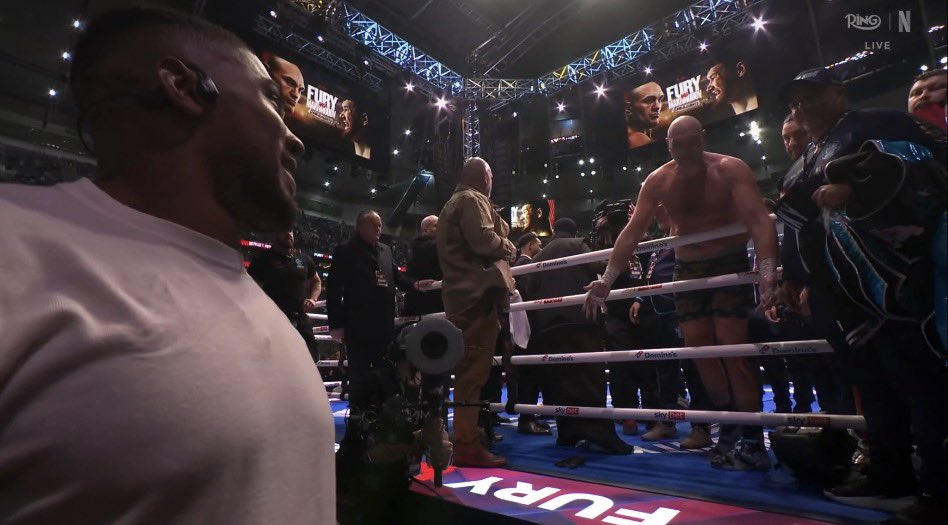
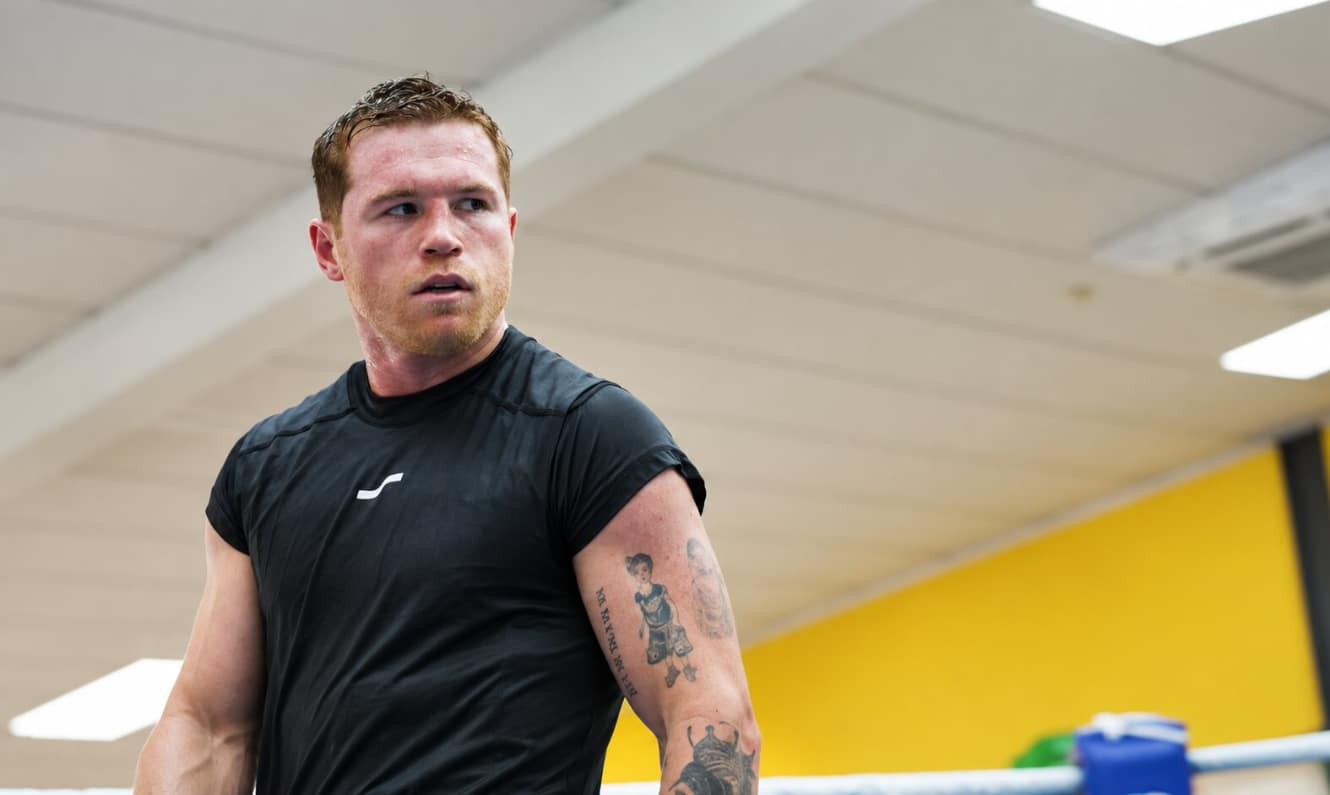
Chris Algieri argues that Canelo Alvarez must bring his absolute best to get past Christian Mbilli. His claim that Mbilli’s style naturally plays into Canelo’s hands doesn’t hold up, especially given the challenger’s relentless engine.
Algieri does give Canelo credit for stepping right into danger following surgery and significant time away, acknowledging the grueling physical test awaiting him.
“Can we give him a little respect for coming off a layoff and a surgery right into Mbilli?” Algieri pointed out to DAZN Boxing. “Yes, he has his faults. I think he falls right into Canelo’s style, but what Canelo are we getting? If Canelo is at all degraded, an 80% Canelo probably doesn’t beat Mbilli. He’s got to be top-notch for that fight.”
Even a peak version of Canelo might have struggled with this matchup. While aggressive fighters give Canelo plenty of targets, Mbilli refuses to give up the breathing room Canelo usually buys with crisp counterpunches.
Gennadiy Golovkin applied pressure behind a stiff jab, leaning on heavy single shots. Miguel Cotto relied on movement during the twilight of his prime. Neither fighter swarmed with the sustained, multi-punch bursts that define Mbilli’s game.
Canelo typically hurts opponents until they freeze. They back off, rethink their strategy, let him rest, and wait for his next opening. Mbilli simply ignores that script.
Mbilli isn’t invincible, of course. Charging forward recklessly leaves massive openings, and eating flush counter hooks could quickly check his enthusiasm. Canelo has the precision to make him pay for being aggressive. Yet landing clean shots is vastly different from dictating the tempo. If Mbilli walks through fire and keeps throwing, Canelo has to scramble back into a defensive shell before his lungs catch up with the previous exchange.
Managing that volume would test any elite fighter in his prime. Asking a 36-year-old coming off major surgery and ring rust to endure it is an entirely different proposition. Algieri is spot on about the danger here. His warning that an 80% Canelo falls short might ring true, but treating an ultra-high-volume brawler as tailor-made for him severely understates the threat.
If Canelo cannot discourage Mbilli inside the first four rounds, the math turns ugly very quickly. By round six, when Canelo’s output routinely dips and his feet go flat, he will be forced to shell up against the ropes while Mbilli pounds away at his arms, shoulders, and ribs. Heavy volume wears down legs just as fast as clean headshots, especially for an aging fighter carrying thirteen months of inactivity and repaired joints.
Surviving that kind of physical tax requires supreme conditioning and fluid defensive pivots. If Canelo is stuck playing defense just to survive the onslaught, he will not have the legs or the gas tank left to mount a mid-fight rescue. When a fighter relies strictly on finding one perfect counter shot to bail himself out, every missed swing empties the reserve that much faster.
In 2019, Canelo capitalized on a faded, battle-worn Sergey Kovalev, whose gas tank was depleted, waiting out Kovalev’s tired arm punches until round eleven to land the finishing blow. Now, the dynamic has flipped, and Canelo finds himself occupying the aging fighter’s corner against a younger, relentless pressure puncher.
Kovalev came into the fight at 36 with heavy miles and well-documented physical wear, and Canelo is carrying an even larger cumulative toll. With more than two decades in the professional ranks, chronic joint issues, and elbow surgery following a year on the shelf, the engine simply cannot turn over the way it once did.
The pattern across the Jaime Munguia, Edgar Berlanga, William Scull, and Terence Crawford bouts showed a fighter relying almost entirely on bursts, resting for extended stretches, and depending on defensive posturing to steal rounds on ring generalship. Against Crawford, the inability to sustain offense or dictate the terms of engagement laid bare what happens when elite opposition refuses to grant Canelo those customary rest periods.
Against Mbilli, relying on selective counterpunching becomes a dangerous gamble. Landing a crisp left hook or a sharp uppercut only helps if it forces the incoming fighter to step back, reset, and second-guess their entry. If Mbilli treats every clean counter as a cue to unload another four-punch salvo to the body, Canelo will never get the pauses he needs to recharge.
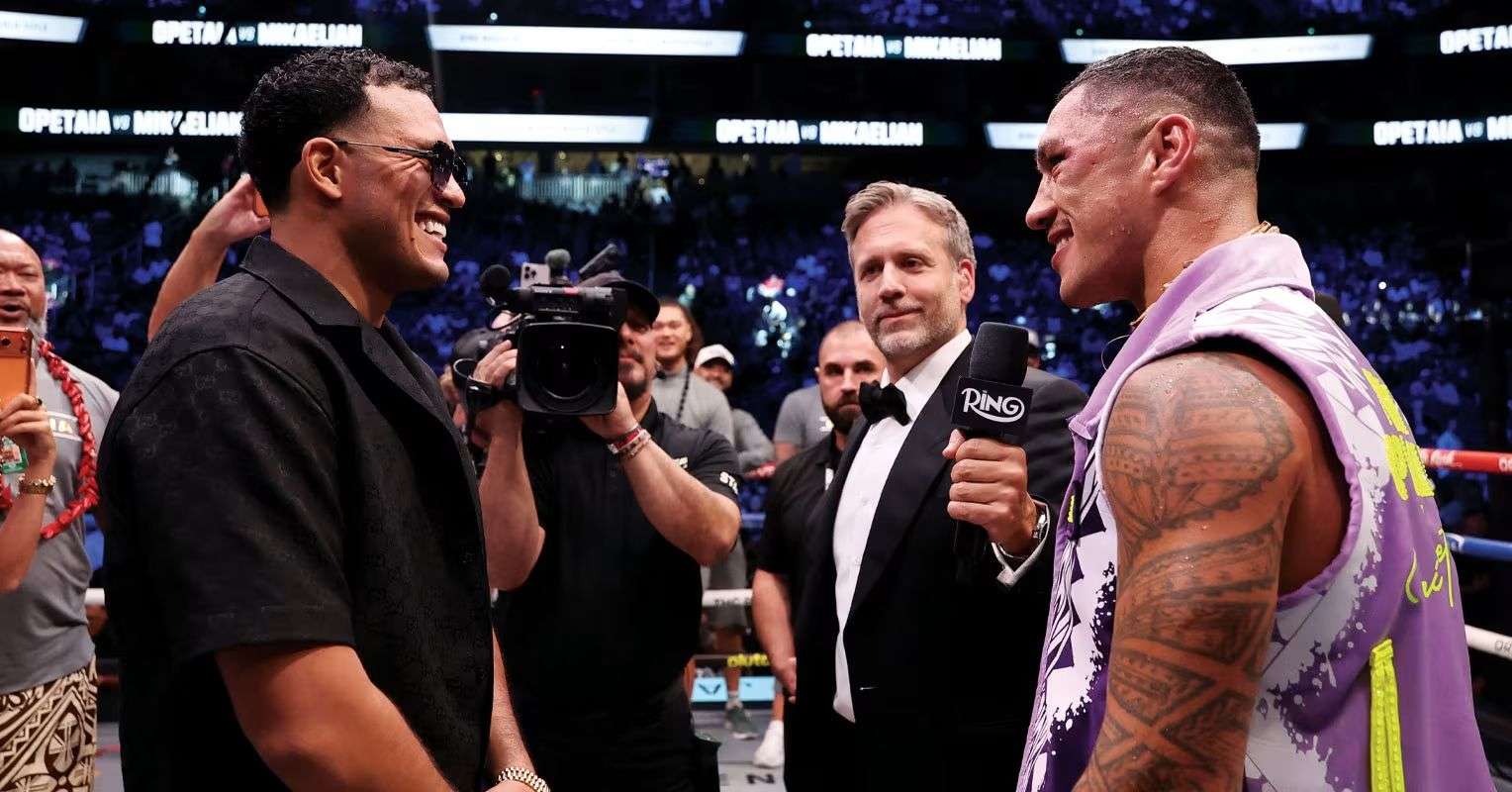
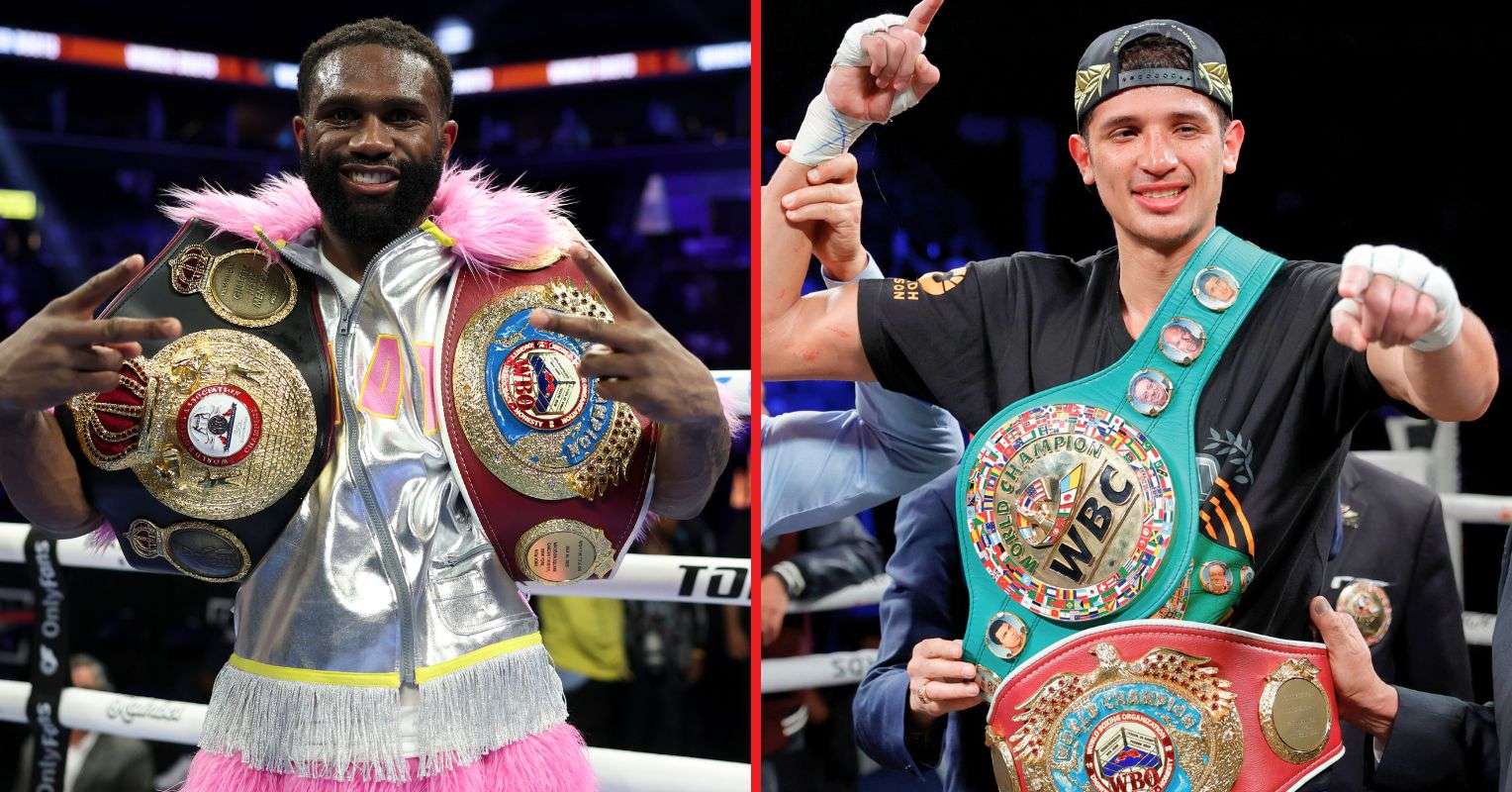


Chris Algieri Questions If 80% Canelo Alvarez Can Defeat Christian Mbilli

10 UFC wins, zero finishes: Movsar Evloev defends his fighting style

Undefeated fighter blasts UFC, Dana White for creating ‘bullsh*t narrative’ around Farid Basharat release


-
 MMA1 day ago
Joaquin Buckley vows to livestream UFC comeback after 3 straight losses
-
MMA1 day ago
Joaquin Buckley vows to livestream UFC comeback after 3 straight losses
-
 Boxing2 days ago
Unbeaten Champion Challenges Oleksandr Usyk for Cruiserweight Title Redemption
-
 Boxing2 days ago
Unbeaten Champion Challenges Oleksandr Usyk for Cruiserweight Belts in Exciting Boxing Match
-
 Boxing2 days ago
Liam Smith Accused of Assault: Ex-World Champion Boxer Allegedly Punches Man on the Ground
-
 Boxing2 days ago
Unbeaten World Champion Challenges Oleksandr Usyk for Cruiserweight Belt Redemption
-
 Boxing2 days ago
Derek Chisora Analyzes Filip Hrgovics Odds Against Daniel Dubois in Unification Rematch
-
 Boxing2 days ago
Unbeaten World Champion Challenges Oleksandr Usyk for Cruiserweight Title Rematch