
Boxing
Garcia mocks Haney’s belt hunt: Go get Rolly’s belt

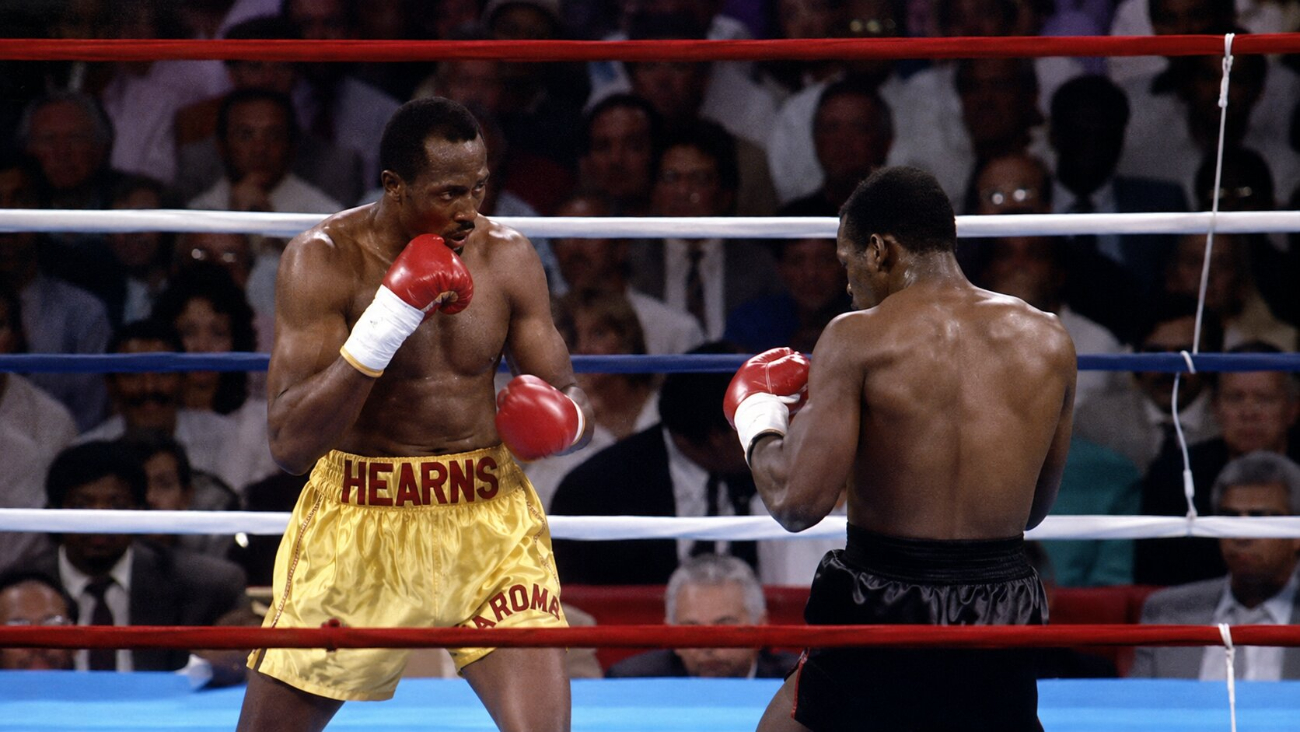


Barkley brought a 24-4 record and little of Hearns’ glamour. The Bronx pressure fighter had already failed in one title bid, losing a 15-round decision to Sumbu Kalambay in 1987. A fifth-round stoppage of Michael Olajide earned him another opportunity, but the 4-1 odds reflected how the public viewed it. Barkley was tough enough to absorb punishment, not skilled enough to defeat Hearns.
Those opening two rounds supported that judgment. Hearns controlled the distance with his long jab, drove right hands through Barkley’s guard, and ripped punches into the body. A cut opened above Barkley’s left eye in the first round. By the end of the second, he had also suffered a cut over his right eye and a laceration on his lower lip.
Each judge had Hearns ahead 20-18. He had landed 52 percent of his 157 punches, compared with 31 percent of 122 for Barkley. Attempting 157 in slightly more than eight minutes also revealed the risk hidden inside his dominance. He was not content to conduct a long-range boxing lesson. He kept stepping within Barkley’s reach to deliver sustained power combinations.
Such aggression ran against the safest strategy available to Hearns. His height, reach, jab, and superior hand speed allowed him to score without accepting equal danger. Once Barkley began bleeding, however, Hearns fought as though a stoppage was waiting to be collected. Instead of using his legs after each attack, he stayed in range to admire his work and reload.
Attacking the body was effective, but it required Hearns to spend more time at midrange. Barkley was being hurt without being physically displaced. Every combination gave him another chance to recognize when Hearns entered, which hand returned slowly, and where the champion moved after finishing.
Although Hearns had carried his power through several divisions, the added muscle did not eliminate defensive habits formed at lighter weights. He often held his lead hand near his waist before snapping the flicker jab upward from an unusual angle. Against shorter welterweights, that style made the jab difficult to read and created a long barrier they had to cross.
At 6-foot-1 and 160 pounds, Barkley was neither markedly shorter nor physically fragile. He possessed the thicker upper body of a natural middleweight, absorbed punches that had overwhelmed smaller opponents, and retained enough strength to throw with full force after taking sustained punishment.
Those injuries increased the urgency. With cuts above both eyes and another on his lip, Barkley could not count on receiving unlimited time. A cautious response would have let Hearns keep widening the lead while the damage worsened. Barkley instead accepted that he might have only a few opportunities left and began searching for one decisive counter.
Hearns’ low lead hand supplied the target. He repeatedly jabbed, lowered his left glove, and moved in the same direction after punching. Barkley started tracking that exit. He did not need to match Hearns’ speed if he could anticipate where the champion’s head would be.
Late in the third, Hearns jabbed and drifted to his left with the lead hand dropping. Barkley did not answer with a standard straight punch. His right hand traveled in an arc over the downward path of Hearns’ glove and entered the blind spot produced by the champion’s upright retreat.
It landed flush and instantly separated Hearns from his legs. Another right sent him flat onto his back.
Although Hearns managed to rise before referee Richard Steele completed the count, standing was not the same as recovering. His legs crossed beneath him, his posture remained unstable, and he could not establish a defensive position. Steele gave him an opportunity to continue because he had beaten the count, then watched Barkley drive him helplessly backward through the ropes.
Stopping the fight at 2:39 of the third round prevented Barkley from landing further unreturned punches. Steele did not need to diagnose what Hearns was seeing. The champion’s equilibrium and inability to protect himself supplied enough evidence.
Offensive control can conceal defensive danger, as the finish demonstrated. Hearns had the faster hands, straighter punches, and greater command of range. His high output magnified the cost of every lapse, while his desire to force a stoppage repeatedly placed him where Barkley’s heavier, looping punches could reach him.
Victory still required exceptional risk tolerance from Barkley. He had to withstand the jab, body shots, and right hands while staying within countering range. Bloodied and falling behind, he recognized one repeated flaw and committed fully to exploiting it.
The Ring named Barkley’s victory its 1988 Upset of the Year. Hearns briefly discussed retirement, then returned to defeat James Kinchen for the inaugural WBO super middleweight title. Barkley lost the WBC belt to Roberto Duran in his first defense the following February.
Four years later, Barkley challenged Hearns for the WBA light-heavyweight championship on March 20, 1992. In the fourth round, he countered a Hearns right hand with a left hook to score the fight’s only knockdown. That moment proved decisive when Barkley earned a split decision after 12 punishing rounds.
Barkley remains the only boxer to defeat Hearns twice. The first victory required him to survive a beating, identify one repeated flaw, and trust that a single right hand could erase everything that had happened before it.
Photo: AI-improved.

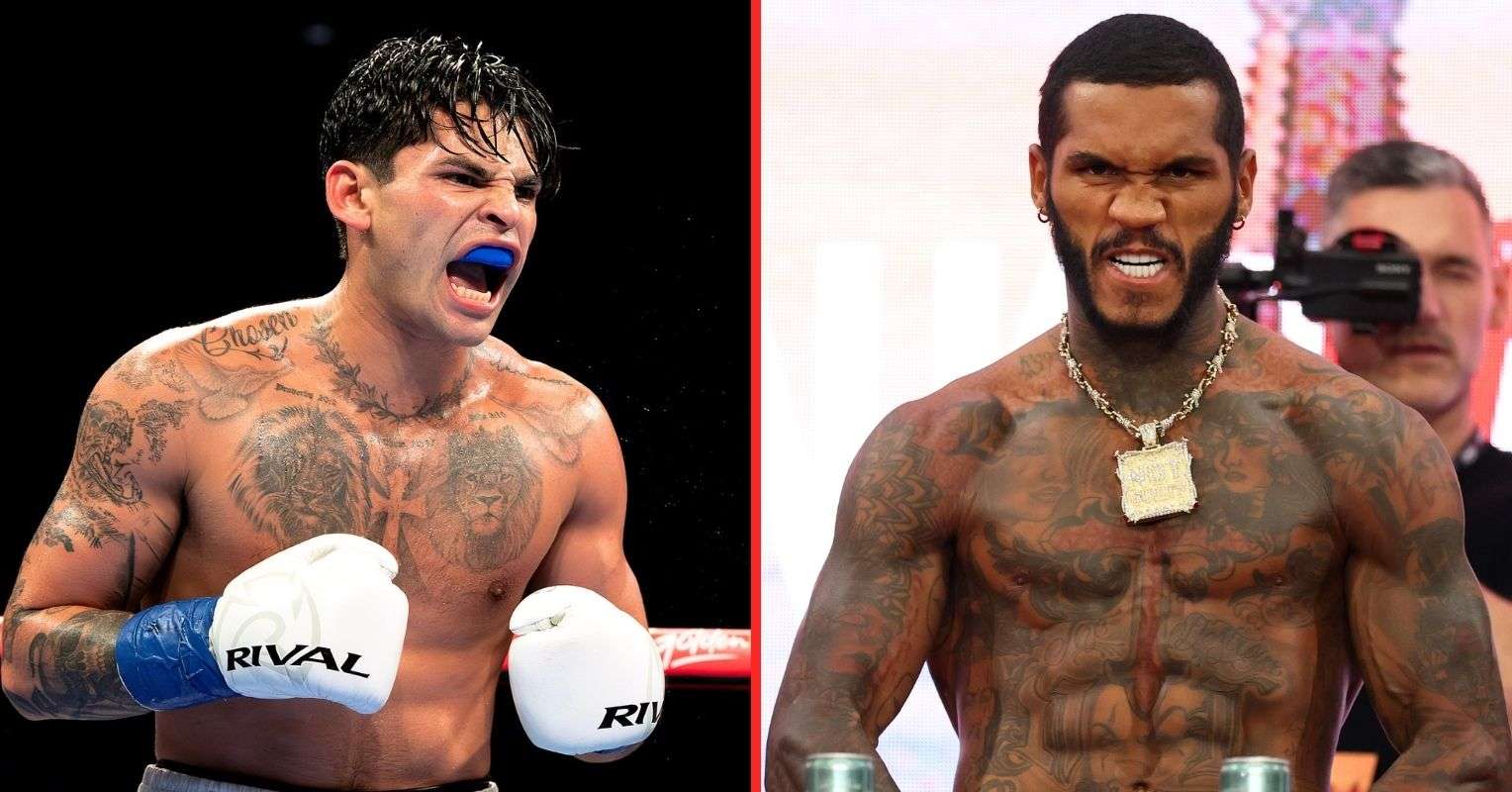
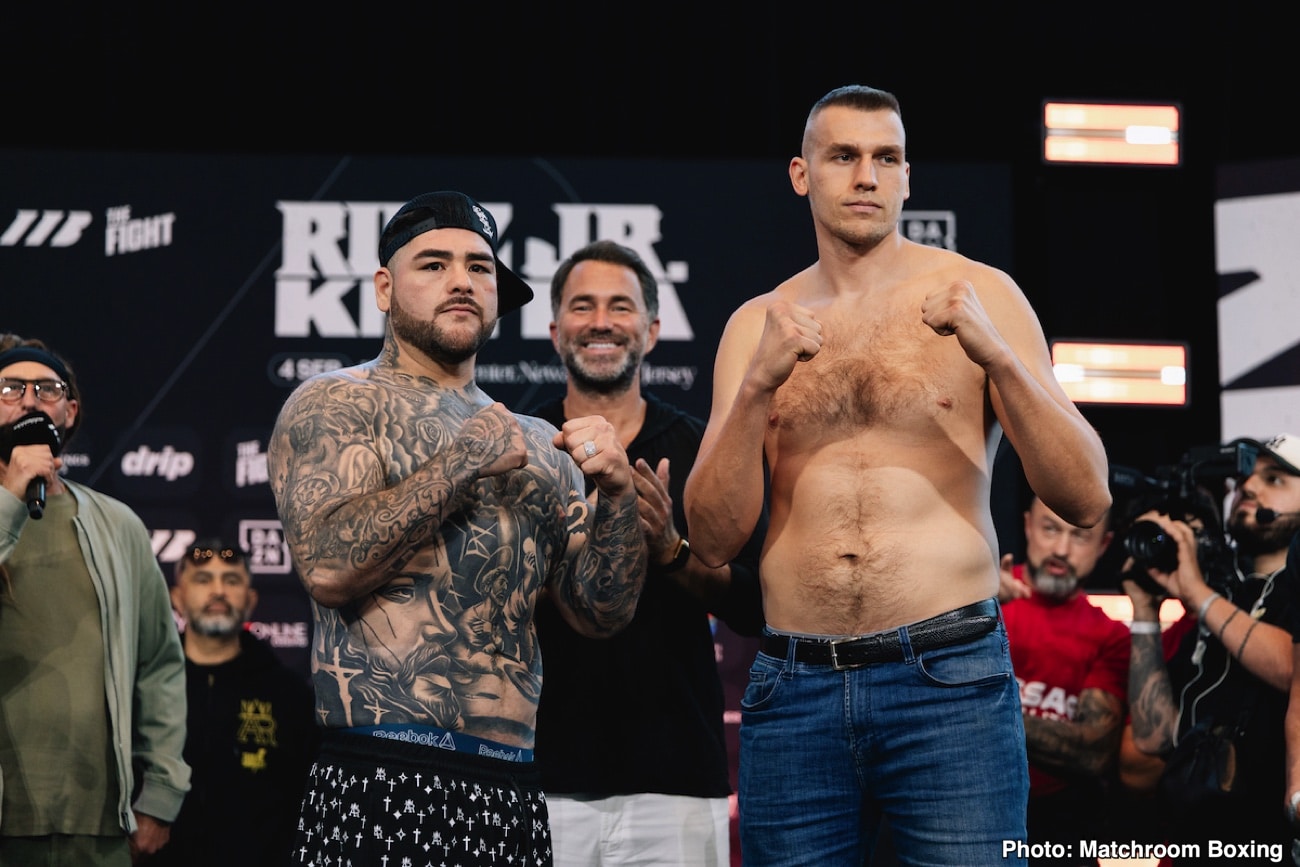

It is Ruiz’s lowest scale reading since he weighed 252 pounds for his July 2018 decision over Kevin Johnson. He was 28 then, active, and still climbing toward the biggest victory of his career. Eight years later, his body has been through extreme fluctuations, long layoffs, and the soft living that followed his 2019 upset of Anthony Joshua.
Two years ago, Ruiz came in at 274.4 pounds for his draw with Jarrell Miller, making this a drop of 20.1 pounds. He was 268 when he stopped Joshua, ballooned to 283 for the rematch, and registered 268.8 against Luis Ortiz in 2022.
The 254.3 pound reading will be sold as evidence of renewed discipline. It may be. Ruiz clearly did more than stroll through camp and hope his name would carry him. Losing that much weight at this stage of his career still brings questions about what the reduction took out of him.
Extra mass is not an automatic source of punch resistance, but Ruiz has spent most of his prime absorbing heavyweight shots with a much thicker body. Cutting down rapidly may leave less natural padding through his upper body and neck. That is worth watching against a 6’7″ opponent whose punches arrive from steep downward angles.
Ruiz also needs his right hand to survive a full fight. He fractured it against Miller and said the injury prevented him from throwing properly during the second half. The lower weight will mean little if he cannot release the three-punch combinations that made him dangerous at close range.
Knyba gives him openings. The Polish heavyweight often stands tall and does not possess elite lateral movement. Added quickness should allow Ruiz to work around the long guard with overhand rights, then dig shorter punches underneath. The danger comes when Knyba grabs him. Repeated clinches may drain Ruiz’s legs and prevent him from establishing the fast inside exchanges he needs.
There is also a difference between looking better on a scale and being restored as a fighter. Ruiz’s inactivity has taken away valuable years, while his reflex-dependent style requires timing that neither roadwork nor dieting can reproduce. At his best, he slipped shots at close range and answered with combinations before opponents recovered. That version has not been seen consistently since the first Joshua fight.
Ruiz faces vastly more pressure here than a fighter merely shaking off ring rust. Ruiz cannot afford another flat performance against an opponent selected to relaunch him. A cautious decision or exhausting struggle would damage his value as a future opponent for the leading names at heavyweight. At 36, there is not enough time for a lengthy rebuild.
The lower number is encouraging, but the fight will reveal what Ruiz lost along with those 20 pounds. A rejuvenated former champion may turn up in Newark. We may just as easily see an older fighter who worked hard to recreate a body from his twenties without recovering the fighter who once occupied it.




Tommy Hitman Hearns Reflects on His Powerful Knockout Victory Over Barkley

Fares Ziam plans to shift to the U.S. to train with Justin Gaethje’s team

Movsar Evloev takes aim at women’s MMA: ‘It’s so hard’ to watch


-
 MMA2 days ago
Khamzat Chimaev set to run it back at RAF 13 with former UFC rival who nearly beat him
-
 MMA2 days ago
Dan Hooker details why he's fine being viewed as a gatekeeper going into UFC Paris: 'Can change in one single night'
-
 MMA2 days ago
Stamp Fairtex faces title-picture stakes against Selina Flores at ONE Fight Night 47
-
 MMA2 days ago
Gable Steveson's UFC 331 opponent blasts 'rapist' in social media tirade
-
 MMA2 days ago
Marlon Vera opens up on mental health issues amidst four-fight UFC skid
-
 MMA1 day ago
Marlon Vera made difficult change to avoid one regret at end of UFC career
-
 MMA1 day ago
Michael Page slams ‘entitlement issues’ among top UFC welterweights
-
 MMA1 day ago
Gregory Rodrigues admits glove grab, denies cheating vs. Anthony Hernandez