

Boxing
Tony Bellew Reviews Anthony Joshuas Comeback Victory Over Kristian Prenga After Knockdown Drama

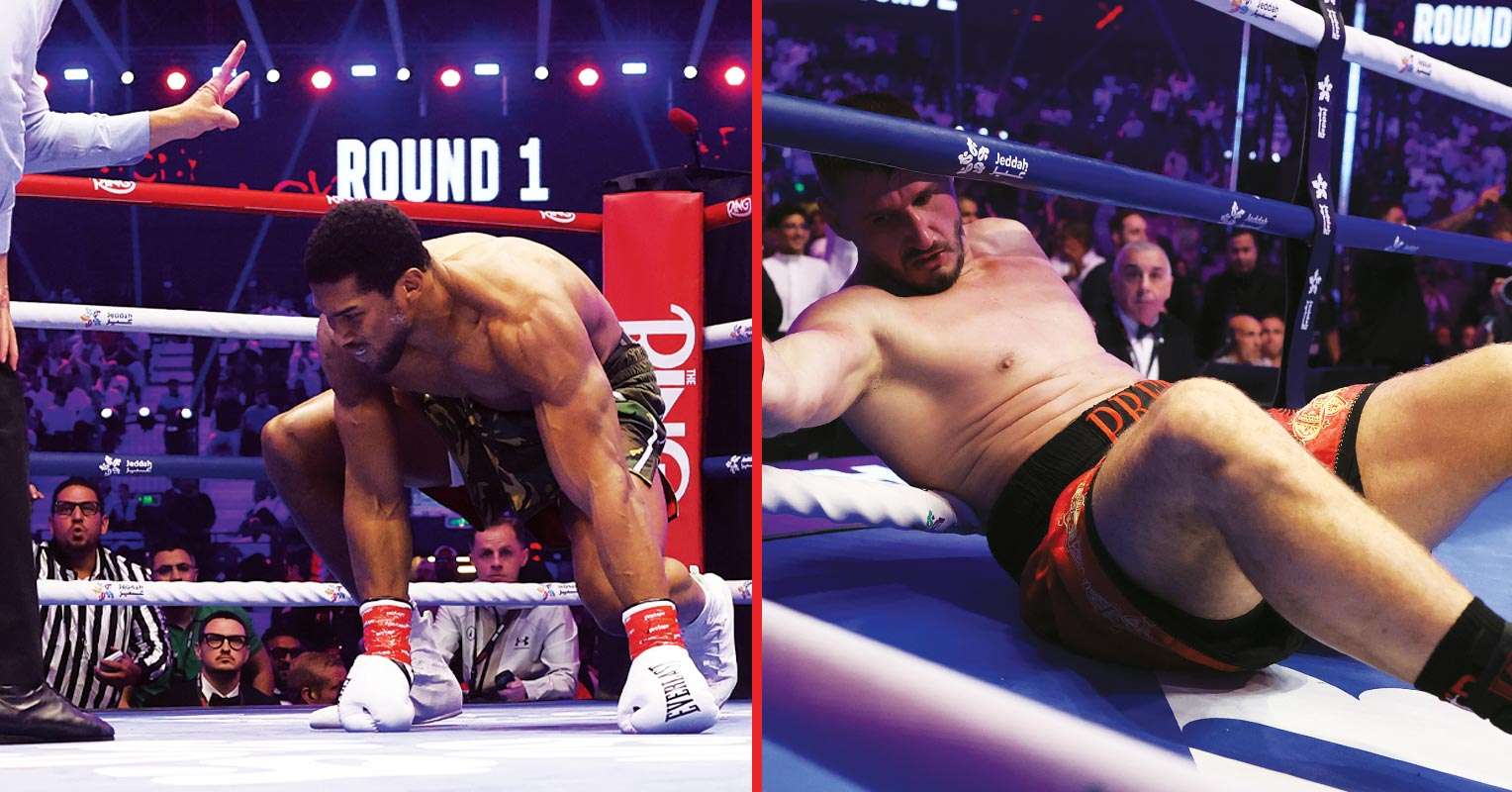
An unbeaten record can hide years of careful matchmaking, and Bruce Trampler’s post on X offers a tougher standard for judging fighters: look at who they fought and who they beat.
Trampler pointed out that legendary figures paid little attention to their numeric tallies. Icons like Marvin Hagler, Alexis Arguello, Roberto Duran, George Foreman, and Carlos Monzon rarely kept track of their exact records. Sugar Ray Robinson could not recall his own numbers when asked. Fight posters historically omitted win-loss counts entirely because credibility depended solely on the caliber of opposition overcome in the ring.
The business model has shifted entirely from sport to asset preservation. Promoters no longer build fighters to see how good they are; they build assets to cash out once.
The root of the issue is that boxing operates on an illusion economy. Promoters can feed a prospect twenty consecutive taxi drivers, wrap an obscure alphabet strap around his waist, and use production tricks and social media hype to sell a fabricated product to a network or an investor. It turns the ring into a showroom rather than a crucible. When every fight is priced with minus eight hundred betting odds, the outcome is decided in the boardroom weeks before the opening bell.
What makes it so corrosive is that it trains both the fighters and the public to treat a single loss like career death. In the era Trampler was talking about, a loss was just part of a fighter’s education. Duran lost to De Jesus and came back to rule the division. Ali lost to Frazier and Norton. Leonard lost to Duran. Nobody questioned their greatness because they immediately sought out the hardest rematch they could find. Today, a fighter gets clipped once, the promoter panics, the network pulls back, and the fighter spends the next three years rebuilding against handpicked sparring partners.
The only time these promoters break the pattern is when an outside entity drops an absurd sum of money to force their hand. When that happens, the risk suddenly makes financial sense, because a single night covers the lifetime value of guarding the zero. Otherwise, the default setting is caution, soft touches, and manufactured hype.
The interesting part is that the fans eventually catch on. You can only sell mismatches on pay-per-view so many times before the audience stops buying, ratings drop, and casual viewers drift elsewhere. Guarding the record protects a fighter’s short-term purse, but it starves the sport of the classic, contested fights that build true longevity.
Floyd Mayweather Jr. revolutionized the commercial value of the pristine record. While Mayweather defeated genuine elite champions, his financial blueprint convinced the next generation that an unblemished slate was the ultimate marketing lever. Competitors quickly learned to manage risks tightly to protect marketability.
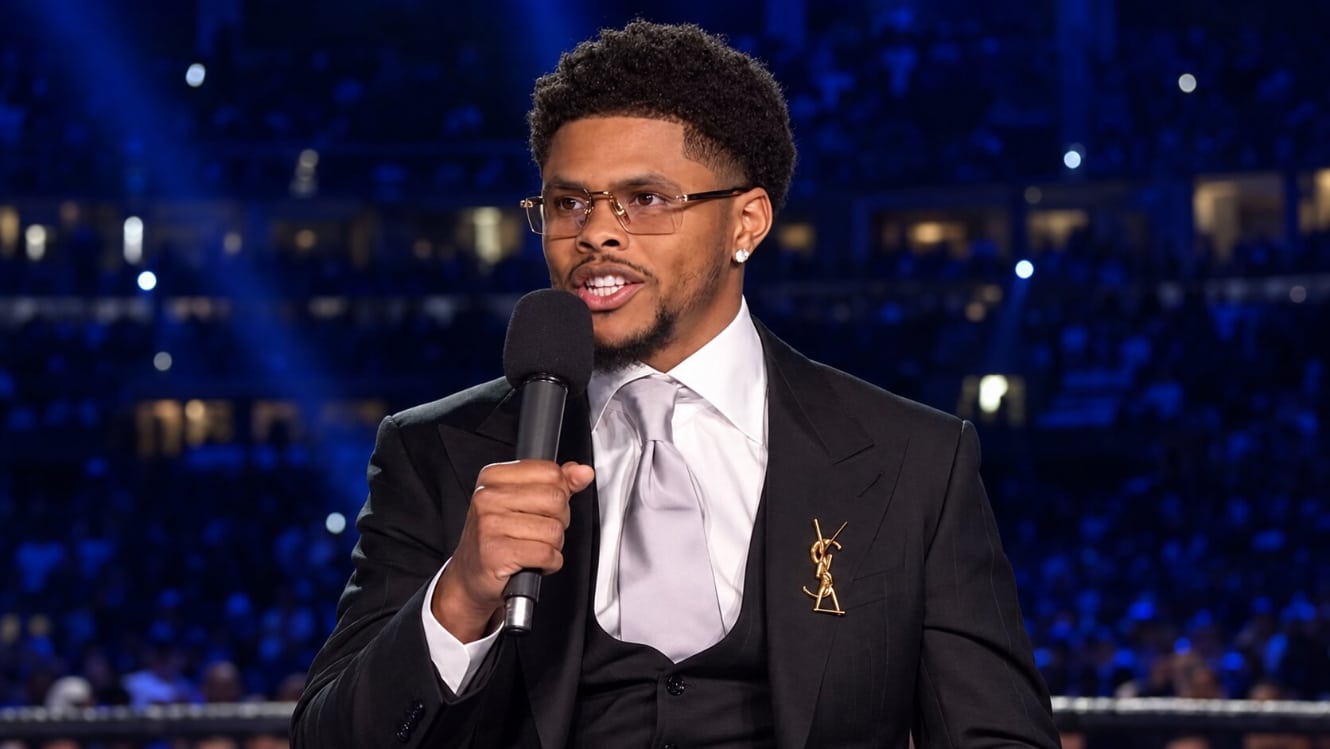
Shakur Stevenson and Gervonta “Tank” Davis invite that criticism. Both possess considerable talent, but their opponent choices leave room to question whether proving themselves against the strongest available competition consistently comes first.
A brave fighter falling short against the best takes far greater professional risks than a peer coasting past overmatched opponents. Treating one defeat as career ruin only feeds hesitation.
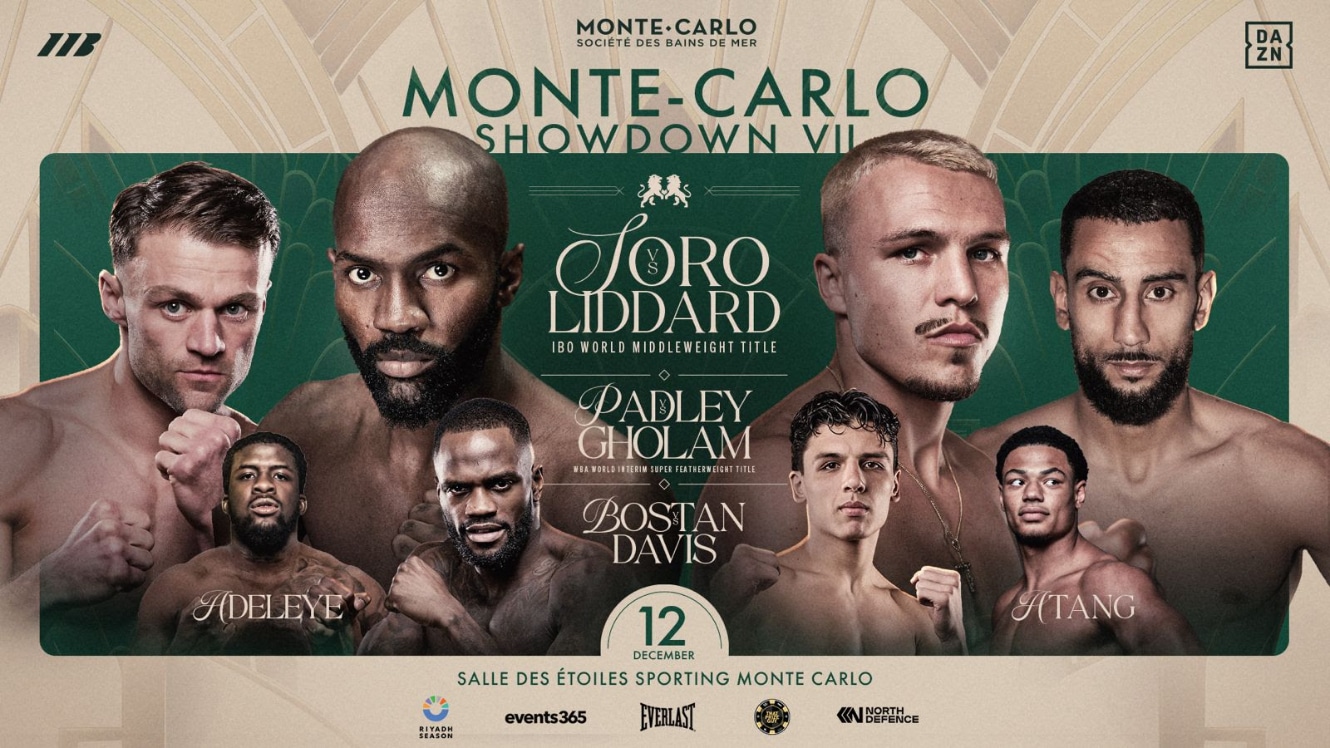
George Liddard will challenge Michel Soro for the IBO middleweight title on December 12 at the Salle des Étoiles in Monte Carlo, Matchroom announced. The DAZN card also features Josh Padley against Moussa Gholam for the interim WBA super featherweight belt.
Liddard (15-0, 9 KOs) gets an experienced opponent after collecting British, Commonwealth and European titles. The 24-year-old stopped Dario Morello in the eighth round in August, following a points win over Tyler Denny in March.
Those results earned Liddard a move beyond the domestic and European circuit. Soro provides a chance to show whether he can maintain that progress against someone with experience against higher-level opposition.
The French-based Soro won the IBO belt by stopping Hassan Mwakinyo in the ninth round in June in Abidjan, Ivory Coast. His career includes fights against Brian Castaño and Israil Madrimov, giving him considerably more experience than the unbeaten challenger.
Matchroom is promoting the bout as Liddard’s first world title opportunity. The IBO sits outside the four major sanctioning bodies, however, and beating Soro would be a step toward establishing Liddard among the leading middleweights rather than proof he has reached the top.
“These are the fights I have looked forward to throughout my career,” said Liddard. “I am putting everything on the line in such a prestigious place.”
Padley’s appearance gives the undercard another recognizable name. The former electrician is familiar to fans from his fight with Shakur Stevenson and now faces Gholam with an interim belt available.
Heavyweights David Adeleye and Leo Atang are also scheduled to appear, although their opponents have not been announced. Adeleye is due to fight in Los Angeles on November 14 before returning in Monaco, while Atang has an October 24 appearance in Sheffield first.
Ishmael Davis against Junaid Bostan completes the announced lineup.


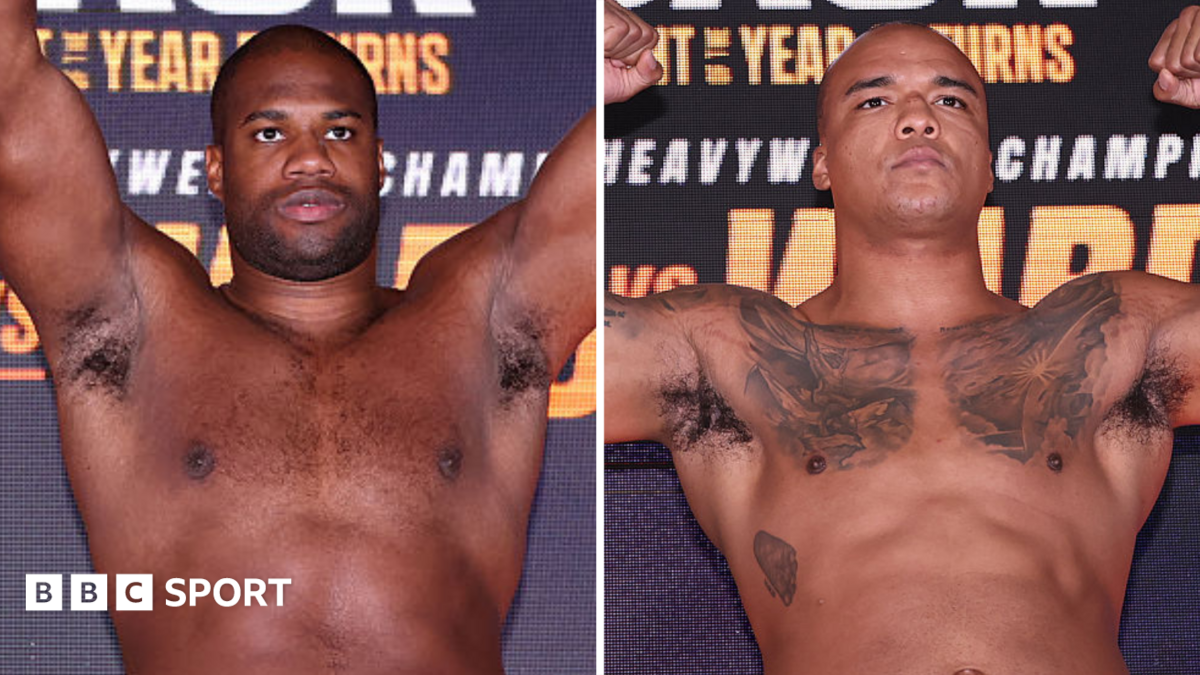
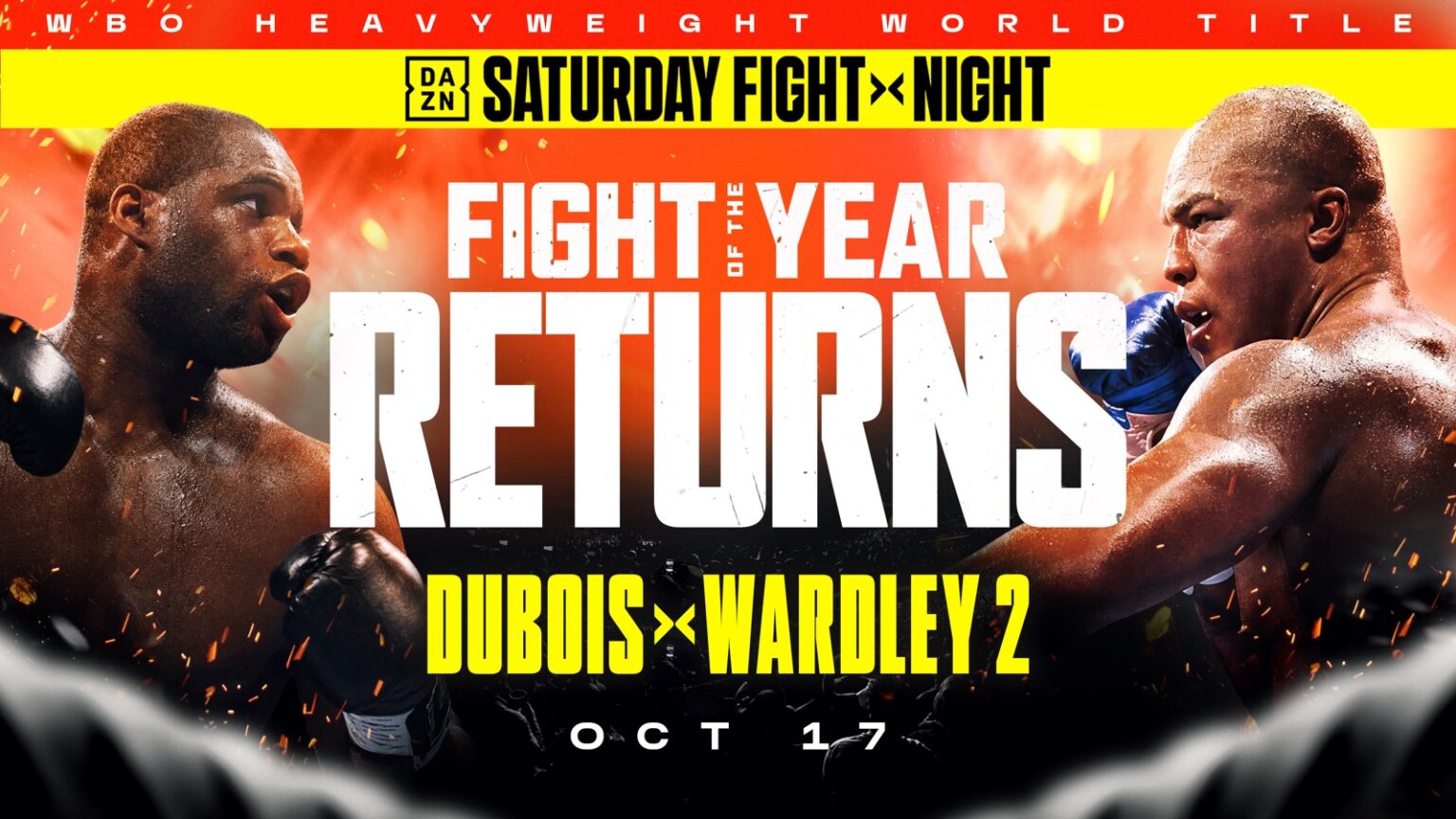
Dubois vs Wardley 2: Heavyweights Clash at Career Heavies for World Title Rematch

Bruce Trampler Prioritizes Quality Wins Over Perfect Records in Boxing

George Liddard vs Michel Soro: December 12 Showdown


-
 MMA1 day ago
Morning Report | Kayla Harrison opens up about injury layoff and possible retirement
-
 MMA1 day ago
Morning Report | Kayla Harrison opens up about injury layoff and possible retirement
-
 Boxing2 days ago
Jose Valenzuela Overcomes Broadcast Challenges in Pursuit of Schofield
-
 Boxing2 days ago
Frazer Clarke Declares Fabio Wardley Hits Harder Than Daniel Dubois: Massively | Boxing News
-

 Boxing1 day ago
Improving Matchmaking for Fury vs Joshua Undercard: Key Strategies for Better Fights
-
 MMA1 day ago
UFC reportedly lets 16-0 Farid Basharat walk after seven wins
-

 Boxing1 day ago
Keith Thurman Analyzes Devin Haneys Chances Against Shakur Stevenson in 145lb Catchweight Fight
-

 Boxing1 day ago
Ex-Klitschko Manager Backs Dubois as UK Boxings New Number One Over Fury and Joshua