Boxing
Ramon Cardenas On the Road to Glory
Published
11 months agoon
The knockdown was the beginning of the end for Robles as Cardena became more effective and precise with her punches, ultimately stopping Erik in the fifth round. Cardenas landed 40.2 percent of his power punches, while Robles was only able to connect 9.9 percent of his total punches, demonstrating Ramon’s defensive improvement (Compubox).
Over the past year, Ramon has gained valuable experience in the ring with both Naoya Inoue and Junto Nakatani. Cardenas’ trainer, Manny Robles, was asked about Ramon’s experience working with both fighters in the ring: “I’ve always said you learn more from your losses than from your victories. That fight with Inoue was a huge learning experience. I believe… a huge learning experience,” Manny said of the Inoue fight.
In preparation for their match with Eric, they traveled to Los Angeles to spar with Nakatani, which consisted of ninety-nine rounds over the course of a month and a half. “What better recipe than sparring with one of the best boxers… pound for pound, one of the best boxers in the world,” Manny said of these sparring sessions.
Being in the ring with two great boxers of the caliber of Inoue and Nakatani will only make Cardenas better; the sky is the limit. He looks much improved offensively and defensively, and looked very relaxed and calculated against Roble. He hopes to return to the top of the division soon.
“Mentally, it showed me that I belonged at the top, that’s all. Mentally, it showed me that I belonged at the top,” Cardenas said of sharing the ring with Inoue and Nakatani. There is no opponent he won’t step into the ring with now, after sharing the ring with both. He doesn’t think about his future opponent and will follow the path the team sets for him.
Inoue and Nakatani will fight this Saturday, December 27, at Ring V: Night of the Samurai in Riyad, Saudi Arabia. In the main event, Naoya will face Alan Picasso, and Junto will face Sebastian Hernandez in the second fight.
If they win their matches, they are expected to fight each other in May 2026. Out of respect for both fighters, Cardenas does not want to compare or judge what a potential match between Inoue and Nakatani would look like. This is a war that the boxing world is holding its breath for.
You may like
Boxing
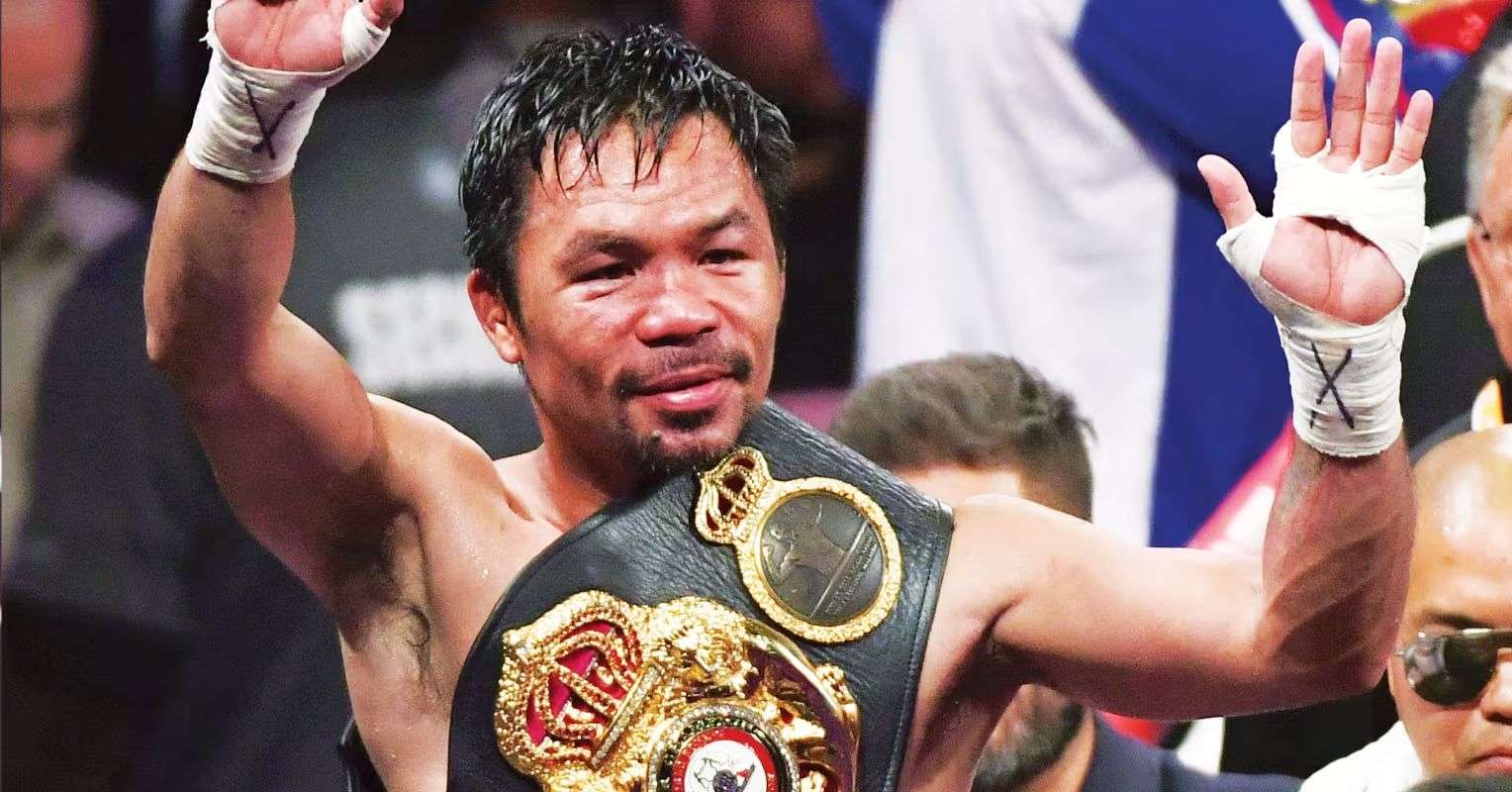
Manny Pacquiaos Next Pro Fight: New Opponent Revealed with Exciting Offer
Published
3 hours agoon
November 8, 2026
Manny Pacquiao‘s next fight could come against one of the biggest names in British boxing.
Pacquiao hasn’t fought since a majority decision draw in a WBC welterweight title fight with Mario Barrios back in July 2025.
The eight-division world champion had been expected to have a rematch with former foe Floyd Mayweather this year, but after that contest fell through, the Filipino icon was instead linked to a match-up on the Tyson Fury vs. Anthony Joshua card next month.
That is no longer set to happen eitherbut recent world title challenger Conor Benn has revealed to Sky Sports that he is interested in facing Pacquiao, having been unable to commit to the date in December.
“He’s an all-time legend. He’s an eight-division world champion. He’ll go down in the history books. Another stadium show sounds nice.
“I know the Pacquiao fight was offered to me for December. And I wasn’t ready to get the fight done in December. But if he wants it Q1 next year, we can do Pacquiao.
December was just too soon, making weight, I’ve got a new-born son, so for me it was really about spending time with my family. If Q1, he wants to get it on again, I’m interested.
“I’m always in the gym, always working, if he wants it Q1 next year, we can do it, no problem.”
Benn last fought in September, suffering a second round stoppage loss to WBC welterweight champion Ryan Garciaand while Benn insisted that would be his last bout at 147lbs, it seems a potential bout with Pacquiao may convince him to remain in the division.
Boxing
The Hold and Hit Trap: How It Impacted Chris Billam Smiths Career
Published
12 hours agoon
November 8, 2026
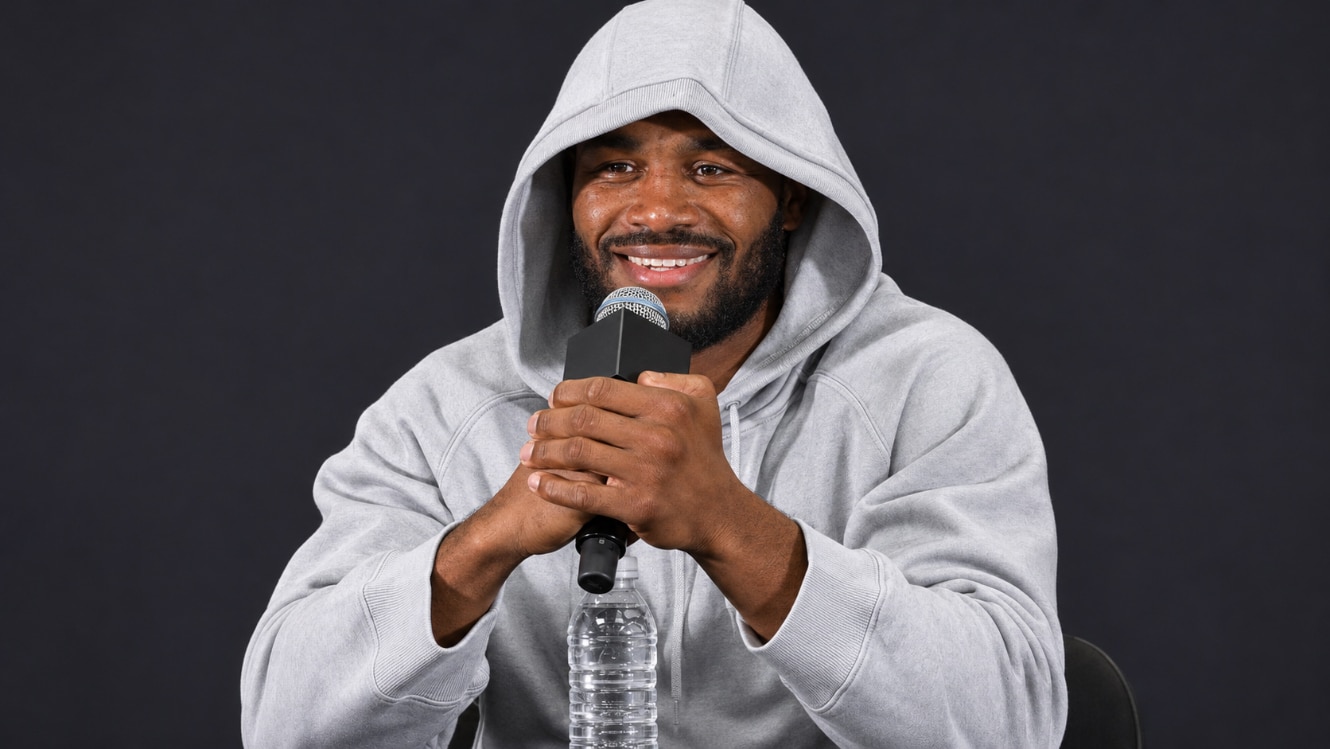
Cheavon Clarke stopped Chris Billam Smith in the seventh round at London’s Copper Box Arena, crediting former heavyweight champion Wladimir Klitschko for the tactical blueprint that unraveled the former cruiserweight belt holder.
Asked about grabbing on to mess up Billam Smith’s timing, Clarke gave full credit to Klitschko’s old tactics.
“I learned that one from Klitschko. So, shout out Klitschko. That was a Klitschko special right there,” Clarke stated at the post-fight press conference.
The maneuver served as far more than basic stalling. Inside the ring, holding functions as an offensive exit strategy. A fighter stepping back after launching an attack enters counterpunching range. Smothering the reply by stepping forward eliminates that hazard, outsourcing the retreat to the referee.
That approach neutralized Billam Smith, who relies on sustained pocket combinations to do damage. Getting inside accomplished nothing when every entry resulted in wrapped arms. Each intervention by the referee forced Billam Smith to reset, handing Clarke another opportunity to score before initiating the next clinch.
Beyond killing the return fire, Clarke used his upper torso to press his full weight downward across Billam Smith’s neck. Forcing a fighter to carry dead weight round after round burns out their legs. By the middle rounds, Billam Smith was flat-footed, lacking the spring in his lower body required to absorb contact or dip away from incoming punches.
Clarke pushed the referee’s patience to the limit, later admitting he was warned about losing a point. A verbal warning means nothing to the fighter trapped in a headlock, though. Billam Smith needed to solve the problem himself instead of waiting on the official.
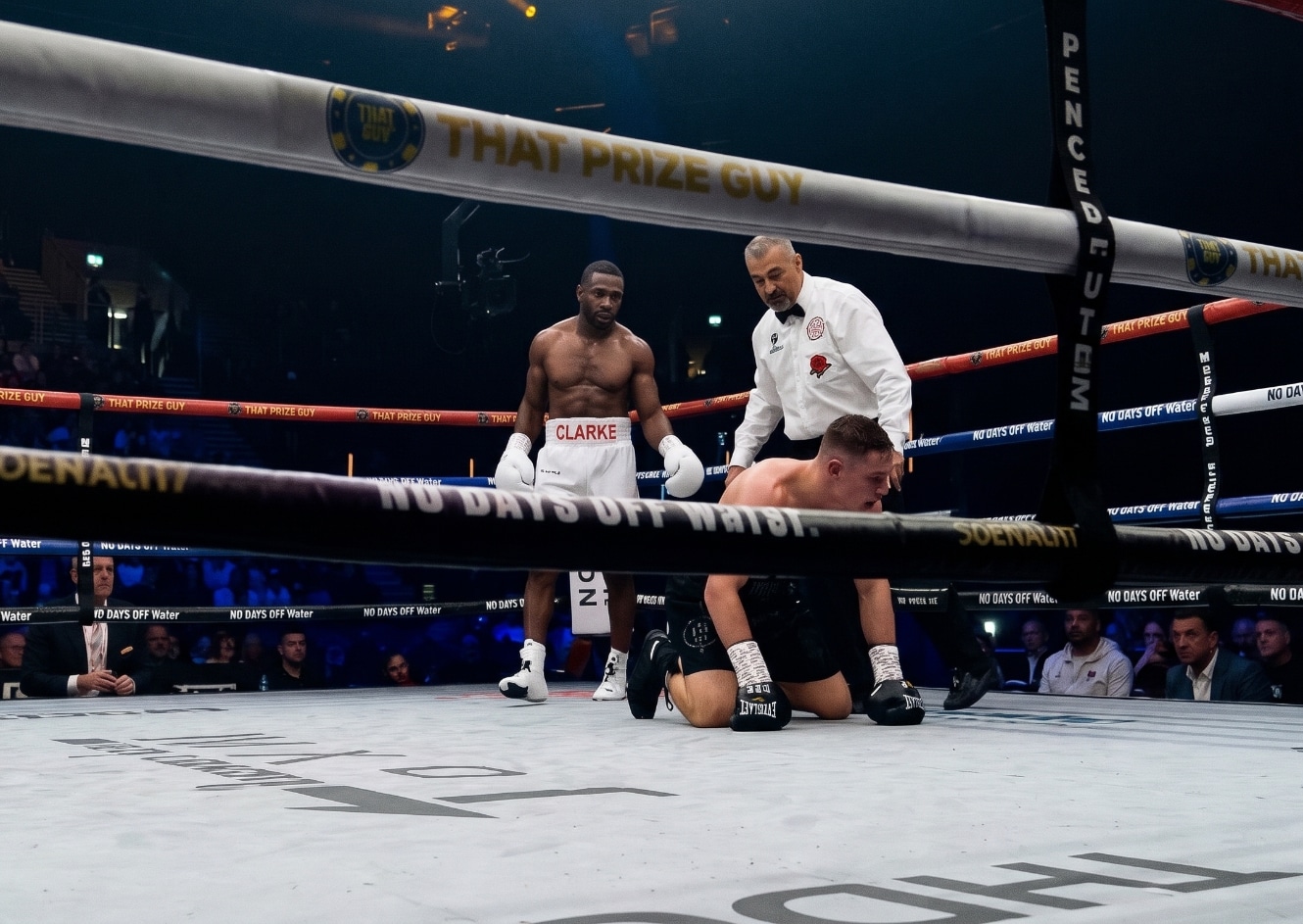
All that holding set the trap for the seventh round knockout. Clarke spent six rounds getting Billam Smith used to being grabbed after every punch. When Clarke stepped in during the seventh, Billam Smith dropped his hands to brace for another clinch. Clarke did not grab him this time. He ripped hard shots straight through the open guard, dropping Billam Smith twice before the referee stopped it at 1:24.
For the rematch, Billam Smith has to stop the clinch before Clarke gets both arms around him. He needs to fight for inside control, keeping one hand free to dig hard hooks into Clarke’s ribs. Timing an uppercut right when Clarke ducks forward would also make him think twice about diving in to grab. Once Clarke has both arms locked, trying to wrestle him off just burns energy without landing punches.
Billam Smith wants an immediate rematch, but running it back without fixing that flaw will lead to the exact same result. He has to hit Clarke on the way in before Clarke grabs him and forces the referee to step in.
Boxing
Cheavon Clarke Dominates Chris Billam Smith in London Showdown
Published
13 hours agoon
November 8, 2026
Cheavon Clarke punished Chris Billam-Smith with cleaner punches before dropping him twice for a seventh-round TKO on Saturday at London’s Copper Box Arena. The finish came at 1:24, giving Clarke the biggest victory of his professional career and handing the former WBO cruiserweight champion his first stoppage defeat.
Clarke (13-2, 10 KOs) was ahead on our card entering the seventh, but Billam-Smith (22-3, 14 KOs) had just produced his strongest round. A well-timed right hand abruptly ended that recovery, sending Billam-Smith down for the first time as a professional. He beat the count, only for Clarke to attack again and force a second knockdown that brought the referee’s intervention.
The scheduled 10-round main event at Zuffa Boxing 12 carried personal history. Clarke had beaten Billam-Smith twice in the amateurs, including in the 2016 National Championships final. Billam-Smith wanted to settle that old score, but instead suffered a more damaging defeat against the same opponent.
Clarke’s accuracy was the difference from the opening round. The fight began with holding and short bursts of action, but he found the cleaner punches, including a right hand just before the bell. Billam-Smith improved in the second, closing the distance and landing heavier shots while absorbing another solid right.

That success did not become a sustained pattern. Clarke took control in the third with combinations, then edged a tighter fourth through two late right hands. Billam-Smith remained competitive, but his forward movement too often failed to produce enough clean offense.
The difficulty was getting close without paying for the journey. Billam-Smith needed to bring his hooks and body punches into range, yet Clarke repeatedly found him before he could establish that position. Following Clarke around left openings for counters and allowed the more accurate fighter to decide when to engage.
A heavy right in the fifth supplied another warning. Billam-Smith took it without visibly wilting and answered with effective punches late, but Clarke was still landing the more damaging shots. The former champion’s durability kept him competitive without solving the problems that were costing him rounds.
The sixth offered Billam-Smith a route back. He increased his output and connected with hooks to the head and body, finally making his close-range work more consistent. We had Clarke ahead 58-56 after six, with Billam-Smith having won the second and sixth rounds.
Then Clarke turned a points advantage into a decisive finish. His right hand in the seventh broke through with enough force to put Billam-Smith on the canvas. Once the former champion rose, Clarke gave him no opportunity to settle, following up until the second knockdown ended the contest.
Both fighters had entered after June stoppage victories, with Billam-Smith beating Ryan Rozicki and Clarke overcoming two knockdowns to stop Jack Massey. Those results suggested danger on both sides, but Clarke delivered the sharper work here.
For Billam-Smith, the defeat was more severe than another missed opportunity for amateur revenge. His pressure worked in spells, but Clarke’s timing prevented him from building on it. Clarke now has a stoppage victory over a former world champion, earned after controlling much of the fight rather than relying on one isolated punch.
Johnny Walker wanted to take it slow at heavyweight, then UFC called
Manny Pacquiaos Next Pro Fight: New Opponent Revealed with Exciting Offer
The Hold and Hit Trap: How It Impacted Chris Billam Smiths Career
Trending
-
Boxing2 days agoTyson Fury Opposes Deontay Wilder vs. Jai Opetaia Fight: He Shouldnt Be in the Ring
-
Boxing2 days agoMelikuziev Dominates Sharipov to Maintain Munguia Fight Momentum
-
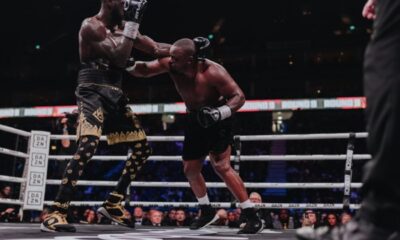
Boxing1 day agoFury Reveals Wilders Diminishing Power Before Opetaia Showdown
-
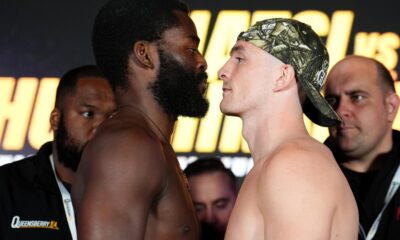
Boxing1 day agoBuatsi vs Hutchinson 2 Live Blog and Results: Round-by-Round Updates
-
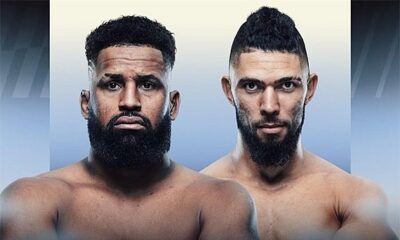
MMA1 day agoUFC Vegas 124 ‘Cortes-Acosta vs. Walker’ play-by-play, results & round scoring
-
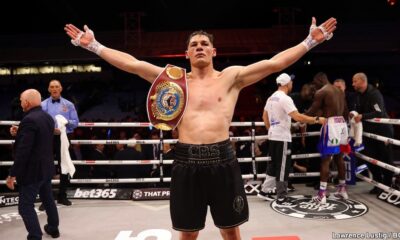
Boxing1 day agoBillam Smith vs Clarke Live Results: Zuffa Boxing 12 in London Update
-
Boxing1 day agoBoxing Mailbag: Middleweight Future, Lomas Comeback, Lara Insights, and More
-
MMA1 day agoUFC Vegas 124 predictions