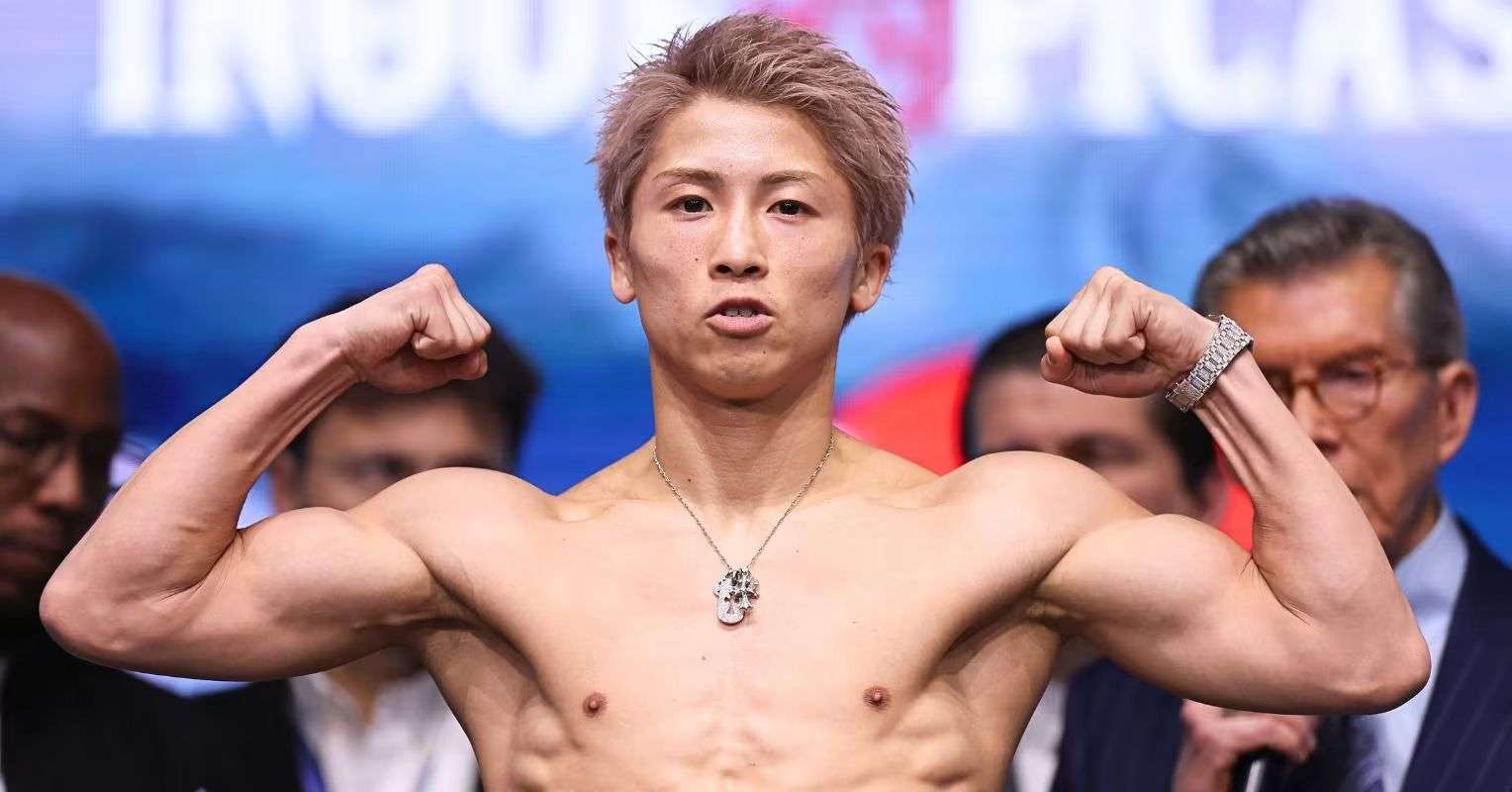
Naoya Inoue will soon have more clarity on his next mandatory challenger after the IBF ordered an interim super bantamweight title fight.
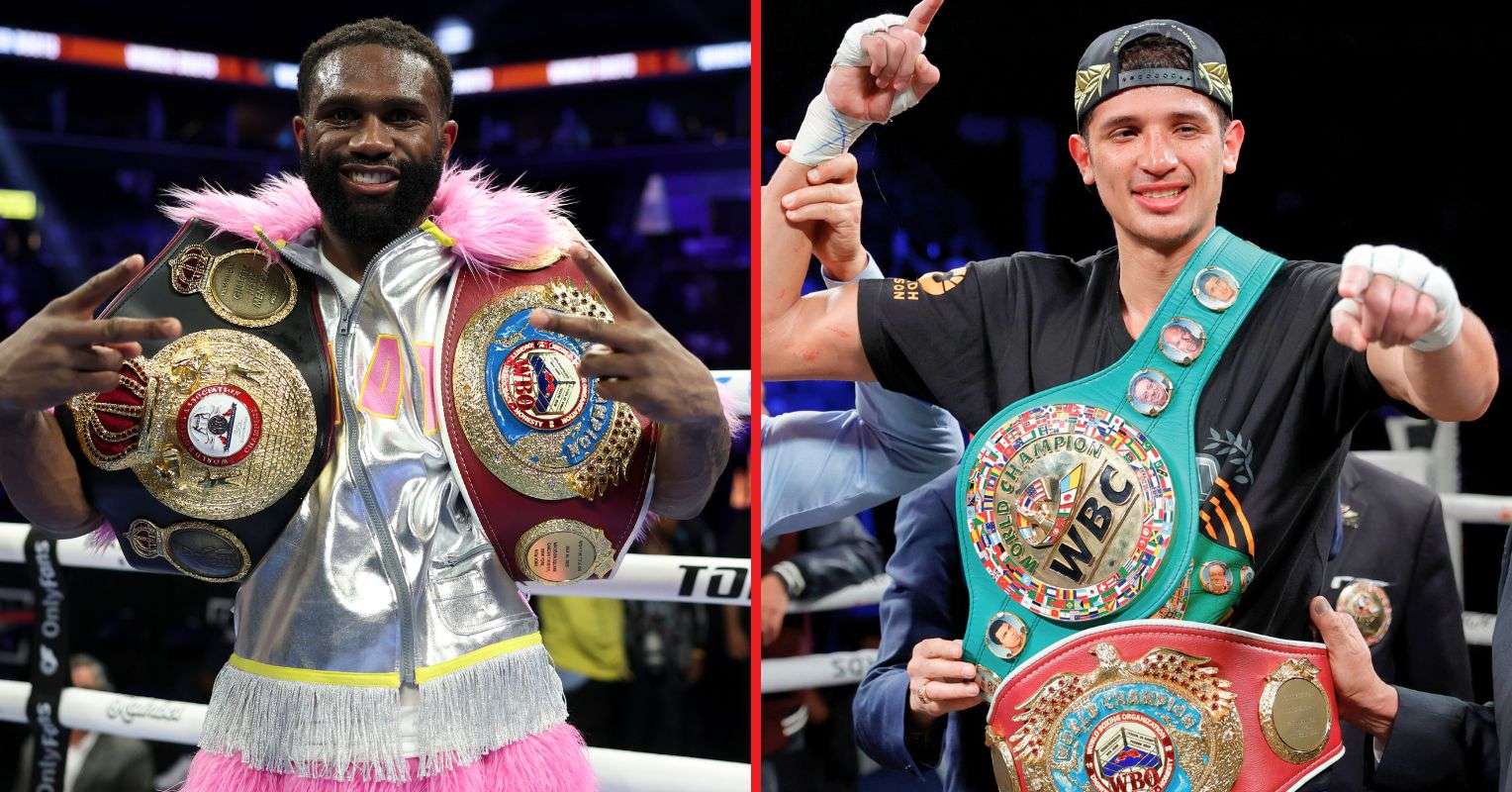
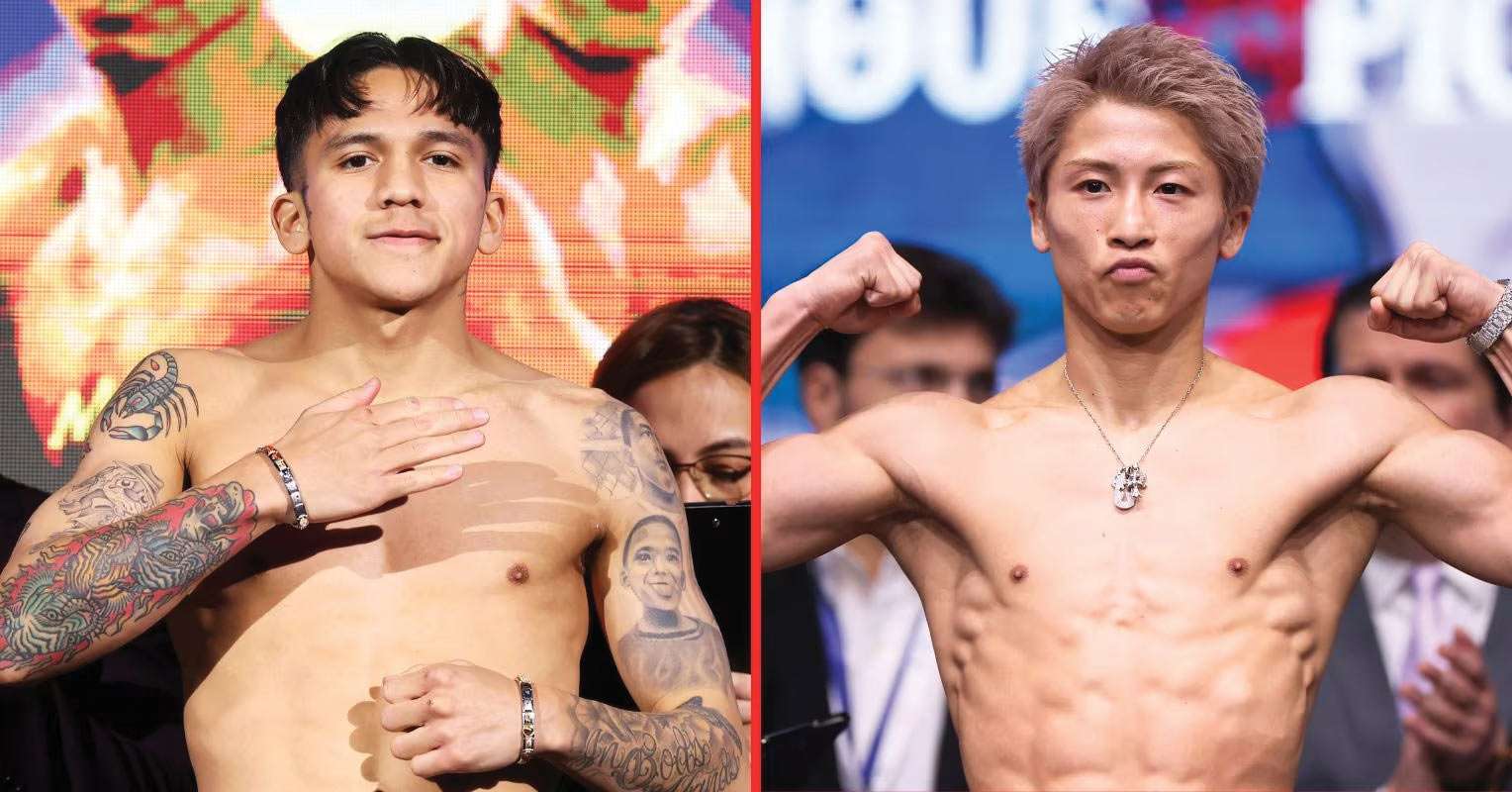
Since then, Inoue has been linked to a fight with Jesse “Bam” Rodriguez his victory over Junto Nakatani last month, but it appears the American will remain at bantamweight until his next fight after winning the WBA title over Antonio Vargas.
As a result, before Inoue can face Rodriguez in early 2027, the undisputed champion may set his sights on making another defense of his undisputed super bantamweight title in September or October.
Currently, John Riel Casimero is being considered for this fight, while the mandatory challenger for the WBO title remains Filipino Carl Jammes Martin.
However, according to No Limit Boxing, the IBF has made the decision to name its own clear challenger, ordering an interim title fight between Australian Sam Goodman and Japanese Ryosuke Nishida.
FIGHT FOR THE WORLD TITLE IS COMMITTED 🥊
Australian Sam Goodman (22-1) has been ordered by the IBF to fight Japanese No. 1 contender Ryosuke Nishida (11-1) for the interim IBF super bantamweight world title.
Goodman and Nishida’s teams have 30 days from the date of the order to negotiate terms before the fight reaches a final bid.
Goodman was expected to face Inoue’s former opponent Ramon Cardenas in a WBC interim title clash based on Tim Tszyu’s fight against Errol Spence Jr next month.
As a result, No Limit Boxing may now try to add Goodman-Nishida to that bill, which already includes the return of Jermall Charlo, provided Nishida is ready in time.
Alternatively, Goodman could head to Japan for the first time in his professional career, where he would have a chance to further strengthen his credibility with local fans ahead of a potential future encounter with “The Monster.”
Time will tell whether the winner of the fight will take a shot at Inoue – “The Monster” has made it clear that he wants to fight Rodriguez at this weight before moving on to his final division before retiring.
“I think people are so unaware that they don’t even understand that for me, just like with Zuffa, they have one lane, one lane only. How wouldn’t that facilitate pristine up the boxing?” Shakur told the Daily Mail. “It would be very helpful for the sport of boxing.”
Shakur also criticized the current landscape, which includes WBA, WBC, IBF and WBO champions.
“If we have four different belt organizations, the fans will complain that this champion is not fighting this champion, this champion is not fighting, and this is mandatory. It becomes a whole clown show,” Shakur said.
The WBO welterweight champion’s comments are noteworthy because his own path to the 140-pound title was governed by the current system.
After moving up from lightweight, Shakur challenged Teofimo Lopez for the WBO title without first fighting many of the division’s top contenders. A single-belt structure built around the rankings would likely require fighters to advance through a contender’s ladder before receiving a title shot.
If boxing were to adopt a true one-belt model, Shakur could find himself in a position to earn a championship shot against the likes of Ernesto Mercado, Andy Hiraoka, Gary Antuanne Russell, Alberto Puello, Dalton Smith and Oscar Duarte.
Each one presents a different challenge. Mercado has become one of the hardest hitters in the division while also displaying impressive hand speed. Hiraoka provides size and power. Russell is considered one of the most aggressive pressure fighters in the division. Smith, Puello and Duarte have established themselves as legitimate contenders.
The same problem would exist if Shakur returned to lightweight. Floyd Schofield, Gervonta Davis, Andy Cruz, Raymond Muratalla and William Zepeda would likely be in the title race.
Zepeda’s pressure caused hard moments in his fight against Shakur last year, raising questions about how the single-belt system will affect fighters who currently have multiple paths to a championship shot.
Still, Stevenson remains confident that the single-lane design will improve boxing.
“I think everyone will fight each other like this,” Shakur said.
The question is whether Stevenson would face a deeper and more unsafe path in the system he supports than the one that helped him win the 135- and 140-pound titles.
Dan Ambrose is a boxing journalist at Boxing News 24, respected for his direct analysis and extensive coverage of the global fighting landscape. His reports focus on the most essential fights, division development and the most discussed stories in sports.
A heavyweight fight was almost thrown off the road in the Team Boxing League. On Friday night, fans almost got more than they bargained for.
With so many fighters lined up at ringside throughout the event, the line-up always carried the risk of something spilling over. As the tension rose, it quickly became real.
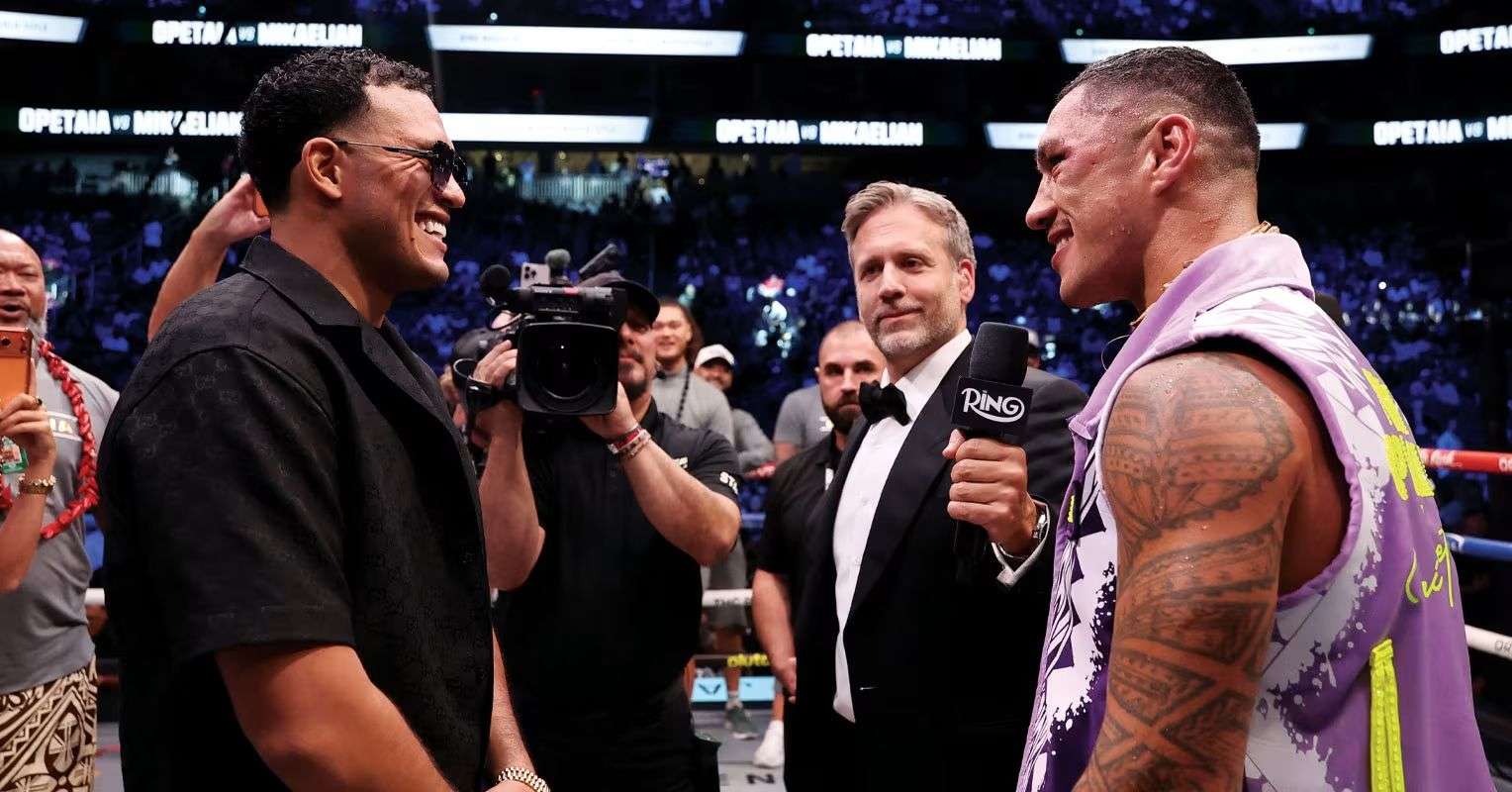
The flashpoint came during the heavyweight bout between Patrick Mailata and Herich Ruiz, when tempers flared and fighters from both teams quickly engaged in the fight.
At one point there were about ten fighters in the ring at the same time wearing gloves and shorts and anything could have happened.
Flashpoint and Fallout
Despite the scenes, Mailata later decided to clarify the situation and downplay any personal animosity.
“I have no bad blood with Herich Ruiz. It was not personal,” Mailata said.
Instead, the Modern Zealand heavyweight pointed to frustration with officiating as the cause of the incident.
“The refereeing was really challenging all night long and I had the last fight. Ruiz happened to interrupt me out of frustration.”
Mailata, who is a regular in the league, made it clear that the incident was a product of the environment and not any targeted dispute.
“I enjoy fighting in the Team Boxing League, that’s why this is my third season. At the end of the day, I’m a fighter and I will fight, but if I’m fighting with both the fighter and the referee, it doesn’t leave me any room to show my talents.”
Team Boxing League
Pressure point on the ring side
The Team Boxing League has become a useful tool for emerging fighters like Pryce Taylor to gain experience without jeopardizing their professional records, while veterans like Luis Ortiz and Steve Cunningham continue to do what they love at 47 and 49 years of age.
The scenes highlighted a potential flaw in the format, which places multiple lively fighters in close proximity to each other throughout the night.
While the concept helped create prospects and extend the careers of veterans, Friday’s events showed how quickly things can escalate when emotions run high.
With so many warriors positioned within arm’s reach, it only took a moment of frustration to turn into a full-scale confrontation.
This time the situation was brought under control.
But photos and video from the evening showed how little it takes to raise tensions in a format where players are never far from the action.
About the author
Phil Jay is the editor-in-chief of World Boxing News (WBN) and a boxing veteran with over 15 years of experience. Read the full biography.
Vitali Klitschko led on all three scorecards when Lennox Lewis defended his heavyweight titles in one of boxing’s most controversial stoppages on June 21, 2003. Klitschko entered the fight as a significant underdog, despite having a record of 32-1 and 31 knockouts.
From the first bell, Klitschko exceeded expectations.
Klitschko won the first two rounds on all three judges’ scorecards, and in the second he opened a cut under Lewis’ left eye.
In the second round, he landed demanding right hands that opened a cut under Lewis’ left eye and appeared to briefly shake the champion. Lewis responded in the third round with a powerful right hand that created a deep cut above Klitschko’s left eye. The wound ultimately became the defining moment of the fight.
Despite the cut, Klitschko stayed in the fight and won the fourth round on all three scorecards. However, the injury above his left eye continued to worsen as Lewis landed more spotless punches.
After the sixth round, ring doctor Dr. Paul Wallace examined the cut and informed referee Lou Moret that Klitschko could not continue.
When the fight was stopped after six rounds, Klitschko was leading 58-56 on all three scorecards.
Because the injury was caused by punches, Lewis was awarded a technical knockout victory in the sixth round.
Although Lewis initially expressed interest in meeting Klitschko again later that year, the rematch never took place. Lewis announced his retirement in February 2004, ending his Hall of Fame career with a record of 41-2-1.
For Klitschko, the performance changed his reputation. Less than a year later, he won the WBC heavyweight title by stopping Corrie Sanders and began the championship fight that would define his career.
We use cookies to ensure that we give you the best experience on our website. If you continue to use this site we will assume that you are happy with it.