

Boxing
Keyshawn Davis talks like a powerful fighter before a boxing show

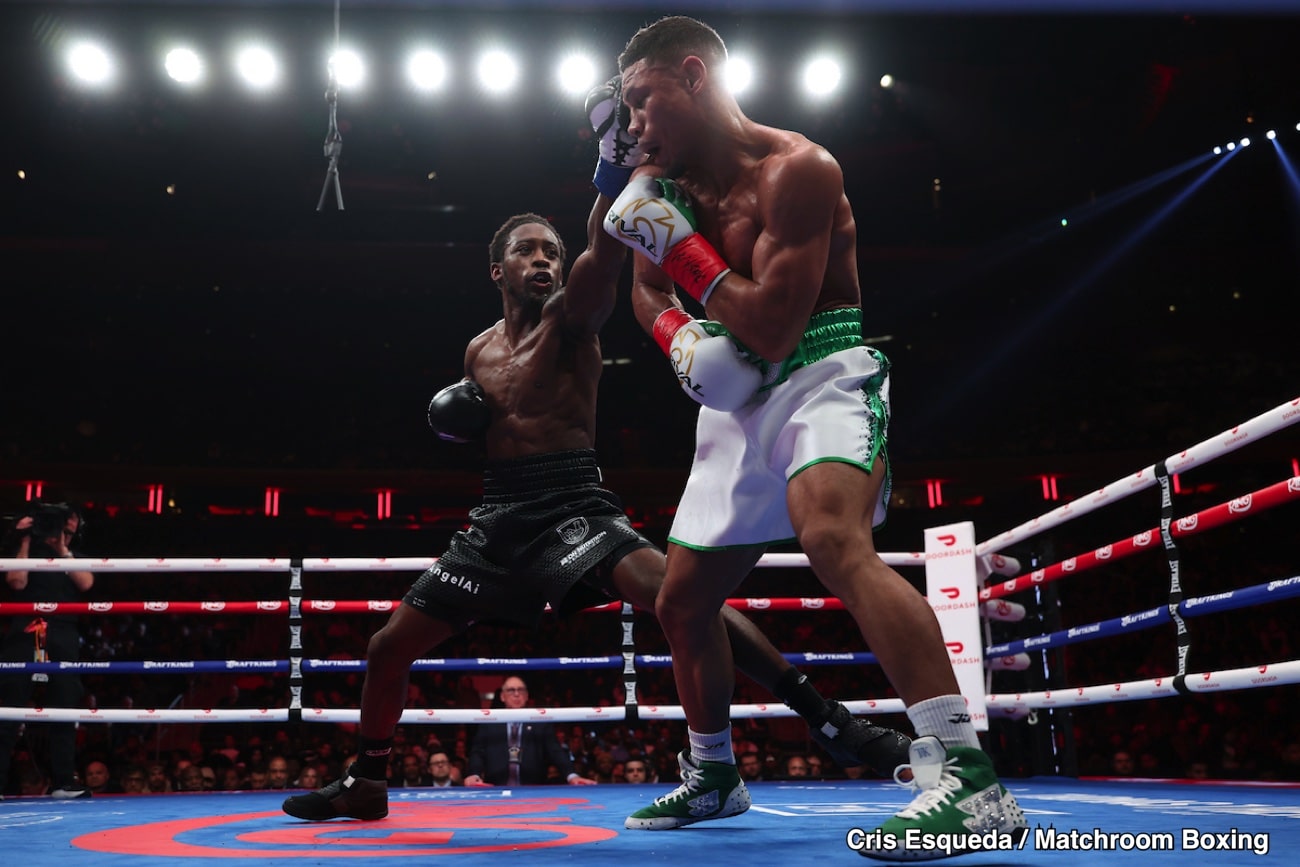

In the days since the fight, Keyshawn has acted like someone choosing options rather than waiting for access. He mentioned a weight change, mentioned champions by name and dreamed of future fights involving money and time. The language suggests a warrior who believes the negotiation phase has already tipped. At this stage, these conversations still function as requests, but not as deliverables.
The clearest example is his interest in Devin Haney. On Davis’s part, the attraction is obvious. Haney remains a recognizable name, and the fight would immediately raise Davis’ prestige among casual fans. There is much less motivation on Haney’s part. He is not dependent on a challenger without a belt, without a cleared division, and without proven, independent power to shape his next move.
The same imbalance appears in talk of an immediate junior welterweight title fight. Going to the UK to challenge Dalton Smith is seen as an ambition and does well in public. Behind the scenes, champions and promoters work based on incentives. Smith would be dealing with the home run lane, his own crowd and his own schedule against a guy who doesn’t have the title with him and doesn’t control the broadcast conditions. This equation rarely favors the challenger.
This is where Keyshawn’s rhetoric begins to change faster than his position. Good results build faith, but faith alone does not give you power over divisions and schedules. Power comes through belts, market pull, or coercive pressure. Davis has momentum and talent, but he hasn’t imposed any of these conditions yet. Until that changes, the players he mentioned will remain the ones making the selections.
None of this detracts from what Davis showed in the ring. Ortiz’s win was controlled and ended cleanly. He showed maturity and discipline, especially on a long night. These traits are vital when your opponent is improving. In themselves, they do not force the sport to change its plans around it.
Many elite athletes go through a phase where their internal confidence declines faster than their external standing in the sport. The gym reinforces this belief, the tape confirms it, and the audience’s reaction reinforces the impression that he is gaining momentum. When the microphone remains open a little longer than usual, it is effortless to confuse affirmation with authority, even though the structure around the athlete has not yet changed.
The distance between self-confidence and authority often slows down a career, and the sport decides how far it wants to take the athlete. This is where competitors either move forward quickly or wait longer than expected for the sport to catch up.
For Keyshawn, the next steps will carry more weight than the explanations. Securing the belt, forcing commitments, and making yourself inevitable are the steps that take a fighter from contender to necessity.
At this point, Davis seems ready to speak like a star. The sport has yet to see him act like him before it starts handing over control to him.
Boxing
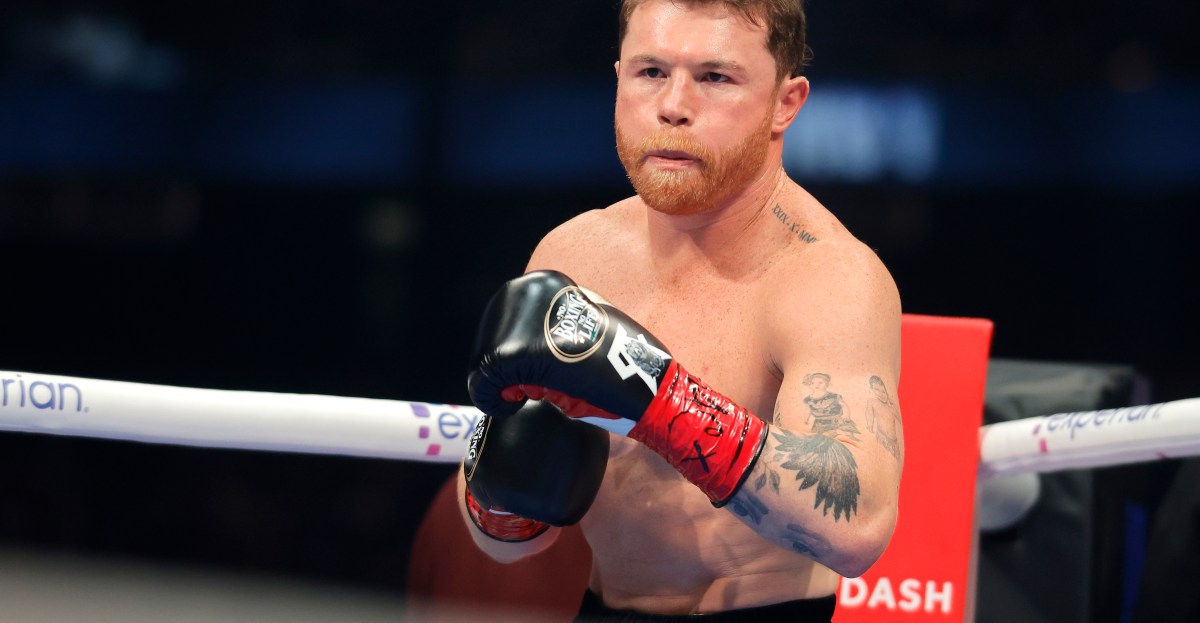
Canelo Alvarez Discusses Challenging Christian Mbilli for WBC Title: Strategies for a Successful Fight


Shakur Stevenson Faces Criticism for Avoiding All-American Boxing Clash

Canelo Alvarez Discusses Challenging Christian Mbilli for WBC Title: Strategies for a Successful Fight

Alex Pereira backs Paulo Costa to beat Magomed Ankalaev with pressure


-

 Boxing2 days ago
Nakisa Bidarian Explains the Financial Principles Driving Canelos Commitment
-
 MMA2 days ago
Ismael Bonfim removed from UFC roster after gigantic weight miss
-
 Boxing2 days ago
Tyson Furys Advantage: The Importance of Leg Endurance in Boxing
-
 Boxing2 days ago
Derek Chisora Predicts Early KO in Dubois vs Wardley 2 Following First Fight Canvas Drama
-
 Boxing2 days ago
Agit Kabayel Expected to Defeat Nelson Hysa by TKO in Five Rounds
-

 Boxing1 day ago
Naoya Inoue vs Bam Rodriguez Mega Fight in Jeopardy: Im Not Waiting Sparks Concerns
-

 MMA1 day ago
Michael ‘Venom’ Page says 3 Misfits fights will pay more than 6 in UFC
-
 Boxing22 hours ago
Dana White Rejects November 28 Date for Shakur vs. Haney Fight