Boxing
James Dean Fury Credits Uncle Peter for Insight Ahead of Professional Boxing Debut


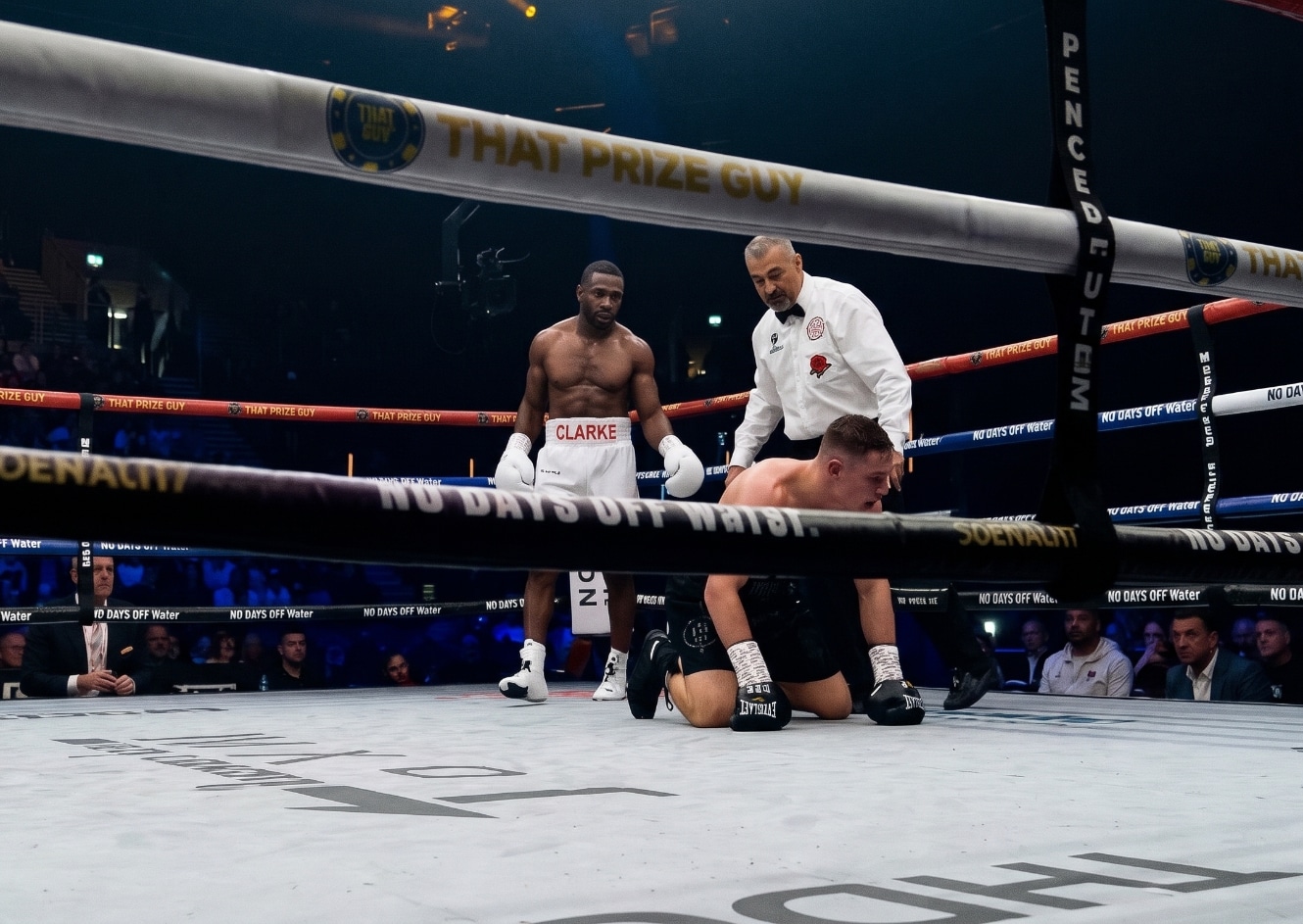
Cheavon Clarke punished Chris Billam-Smith with cleaner punches before dropping him twice for a seventh-round TKO on Saturday at London’s Copper Box Arena. The finish came at 1:24, giving Clarke the biggest victory of his professional career and handing the former WBO cruiserweight champion his first stoppage defeat.
Clarke (13-2, 10 KOs) was ahead on our card entering the seventh, but Billam-Smith (22-3, 14 KOs) had just produced his strongest round. A well-timed right hand abruptly ended that recovery, sending Billam-Smith down for the first time as a professional. He beat the count, only for Clarke to attack again and force a second knockdown that brought the referee’s intervention.
The scheduled 10-round main event at Zuffa Boxing 12 carried personal history. Clarke had beaten Billam-Smith twice in the amateurs, including in the 2016 National Championships final. Billam-Smith wanted to settle that old score, but instead suffered a more damaging defeat against the same opponent.
Clarke’s accuracy was the difference from the opening round. The fight began with holding and short bursts of action, but he found the cleaner punches, including a right hand just before the bell. Billam-Smith improved in the second, closing the distance and landing heavier shots while absorbing another solid right.

That success did not become a sustained pattern. Clarke took control in the third with combinations, then edged a tighter fourth through two late right hands. Billam-Smith remained competitive, but his forward movement too often failed to produce enough clean offense.
The difficulty was getting close without paying for the journey. Billam-Smith needed to bring his hooks and body punches into range, yet Clarke repeatedly found him before he could establish that position. Following Clarke around left openings for counters and allowed the more accurate fighter to decide when to engage.
A heavy right in the fifth supplied another warning. Billam-Smith took it without visibly wilting and answered with effective punches late, but Clarke was still landing the more damaging shots. The former champion’s durability kept him competitive without solving the problems that were costing him rounds.
The sixth offered Billam-Smith a route back. He increased his output and connected with hooks to the head and body, finally making his close-range work more consistent. We had Clarke ahead 58-56 after six, with Billam-Smith having won the second and sixth rounds.
Then Clarke turned a points advantage into a decisive finish. His right hand in the seventh broke through with enough force to put Billam-Smith on the canvas. Once the former champion rose, Clarke gave him no opportunity to settle, following up until the second knockdown ended the contest.
Both fighters had entered after June stoppage victories, with Billam-Smith beating Ryan Rozicki and Clarke overcoming two knockdowns to stop Jack Massey. Those results suggested danger on both sides, but Clarke delivered the sharper work here.
For Billam-Smith, the defeat was more severe than another missed opportunity for amateur revenge. His pressure worked in spells, but Clarke’s timing prevented him from building on it. Clarke now has a stoppage victory over a former world champion, earned after controlling much of the fight rather than relying on one isolated punch.
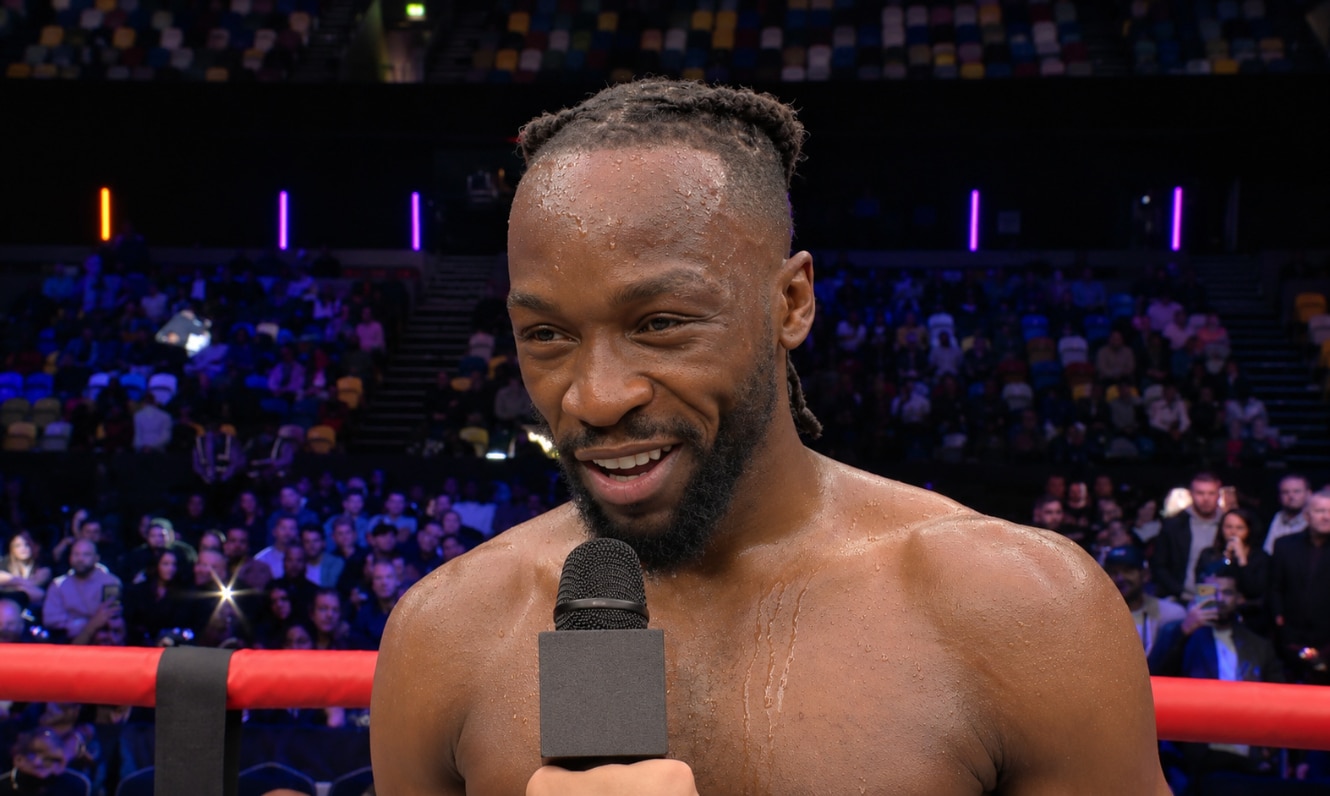
Denzel Bentley’s knockdown helped him secure a close unanimous decision over Shane Mosley Jr. on Saturday, giving the London middleweight a hard-earned victory in his Zuffa Boxing debut. Bentley won by scores of 96-94, 96-93 and 95-94 after 10 competitive rounds at the Copper Box Arena.
Bentley (23-3-1, 18 KOs) hurt Mosley in the second round, but the American recovered sufficiently to keep the contest close through the final bell. Mosley (23-6, 13 KOs) had talked beforehand about wanting a clear decision victory on the road. Instead, he left with a defeat in which one judge separated the fighters by just a point.
The knockdown was a significant part of the result. On the narrowest card, that extra point supplied Bentley’s winning margin, illustrating how costly a single defensive mistake can become in a closely contested 10-round fight. Bentley’s power gave him a scoring advantage that Mosley’s work across the remaining rounds could not fully erase.
Mosley deserves credit for preventing the early trouble from becoming a stoppage defeat. Bentley has the punching power to finish a hurt opponent, but he could not turn his success into a comfortable evening. The American remained competitive and forced Bentley to keep working rather than allowing him to coast behind the knockdown.
Bentley’s pressure was another factor. Mosley wanted to demonstrate that he could outbox him, but doing so required more than surviving the heavier punches. He needed enough clean work to persuade the judges in rounds where Bentley was advancing and looking to impose his power.
That was the difficulty with Mosley’s pre-fight ambition of winning a wide decision. A fighter can have competitive rounds against a puncher and still lose ground sharply when he gets caught. Once Bentley had scored the knockdown, Mosley had less room to concede close rounds.
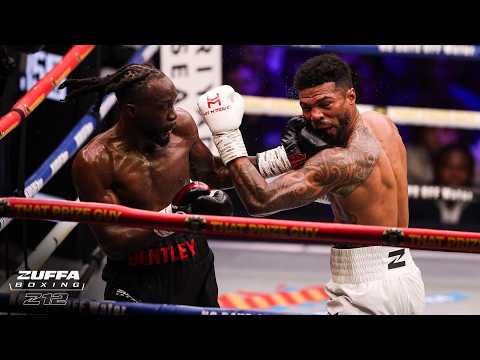
The scorecards reflected a competitive contest rather than a dominant performance. All three judges favored Bentley, but none gave him a wide margin. The 95-94 card was particularly tight, and the other two scores also left little room for Bentley to take his foot off the gas.
For Bentley, the victory followed an unsettled period outside the ring. He entered this bout after losing his WBO middleweight title status amid the dispute over his mandatory obligation to Yoenli Hernandez. Beating Mosley gave him a positive start with his new promoter, although this non-title contest did not replace the championship he had lost.
Mosley arrived after stopping Serhii Bohachuk in his previous outing, making this a setback to the momentum he had built. His durability kept him in contention, but the early damage and knockdown left him chasing points in a fight where the margins stayed narrow.
Bentley earned the result through his power and pressure, with the knockdown providing the clearest scoring advantage of the night. Mosley made him work for the decision, but could not produce the clear road victory he had promised.


The Hold and Hit Trap: How It Impacted Chris Billam Smiths Career

Cheavon Clarke Dominates Chris Billam Smith in London Showdown

Denzel Bentley Scores Knockdown Against Mosley Jr. for Close Decision Victory


-
 Boxing2 days ago
Oscar De La Hoya Analyzes Canelos Decision Victory Over Christian Mbilli for WBC Title
-
 MMA2 days ago
UFC champion reveals mother may have final say in retirement call: ‘I will obey her word’
-
 MMA2 days ago
Dana White calls out Islam Makhachev over UFC activity: ‘It backs up the division’
-
 Boxing2 days ago
Tyson Fury Opposes Deontay Wilder vs. Jai Opetaia Fight: He Shouldnt Be in the Ring
-
 Boxing1 day ago
Melikuziev Dominates Sharipov to Maintain Munguia Fight Momentum
-
 Boxing1 day ago
Fury Reveals Wilders Diminishing Power Before Opetaia Showdown
-

 Boxing1 day ago
Boxing Mailbag: Middleweight Future, Lomas Comeback, Lara Insights, and More
-
 Boxing1 day ago
Buatsi vs Hutchinson 2 Live Blog and Results: Round-by-Round Updates