Boxing
Close calls and missed fights



This writer first met Witherspoon in 1980 at Muhammad Ali’s training camp in Deer Lake, where he worked as Muhammad Ali’s sparring partner before his fight with Larry Holmes. During this period he also sparred with Gerry Cooney, building a reputation as a sturdy and capable partner at elite camps.
A native of South Philadelphia, Witherspoon attended college in Missouri on a football scholarship before devoting himself full-time to boxing. Even after his career ended, he was well known at local concerts in Philadelphia and Atlantic City, where fans continued to gather around him.
After winning his first 15 fights, Witherspoon challenged Holmes in May 1983 for the heavyweight title. Many observers felt he had done enough to win, but Holmes defended the belt by split decision and the result remained controversial. Witherspoon never received a rematch.
He bounced back quickly. After defeating James Tillis to win the NABF title, Witherspoon got a shot at Greg Page and won the WBC heavyweight title in March 1984, improving to 18-1. His reign was low, as in his first defense he lost a majority decision to Pinklon Thomas.
Witherspoon won the world title for a second time in January 1986, defeating Tony Tubbs for the WBA belt. He later recorded a significant victory over Frank Bruno before losing the title to James Smith by stoppage, marking his final championship fight.
He later continued boxing for years, adding victories over experienced opponents including Al Cole. The subsequent loss to Ray Mercer was also discussed at the time.
Witherspoon retired in March 2003 with a record of 55-13-1 (38 KOs), defeating opponents from various eras. His record also includes a defeat against the undefeated Brian Nielsen.
Outside the ring, Witherspoon was involved in a legal dispute with promoter Don King and his stepson Carl King, who was his manager. The lawsuit alleged fraud and conflict of interest and was settled out of court for more than $1 million.
Witherspoon’s career didn’t always provide the opportunities his skills suggested, but his performances, longevity and resilience kept his name respected among the heavyweights of his era.
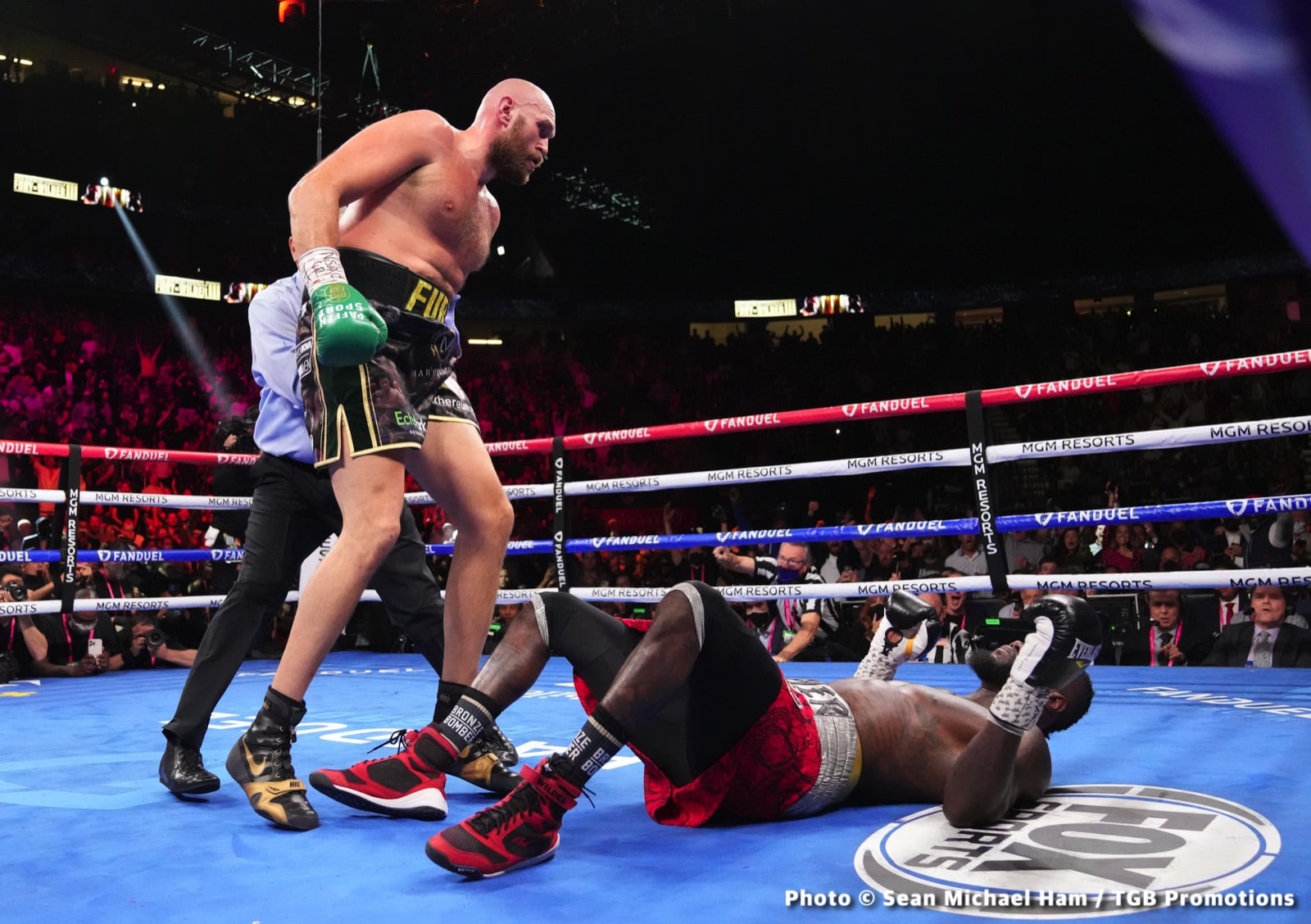


Tyson Fury Unleashes Wilder KO Strategy to Overcome Anthony Joshua

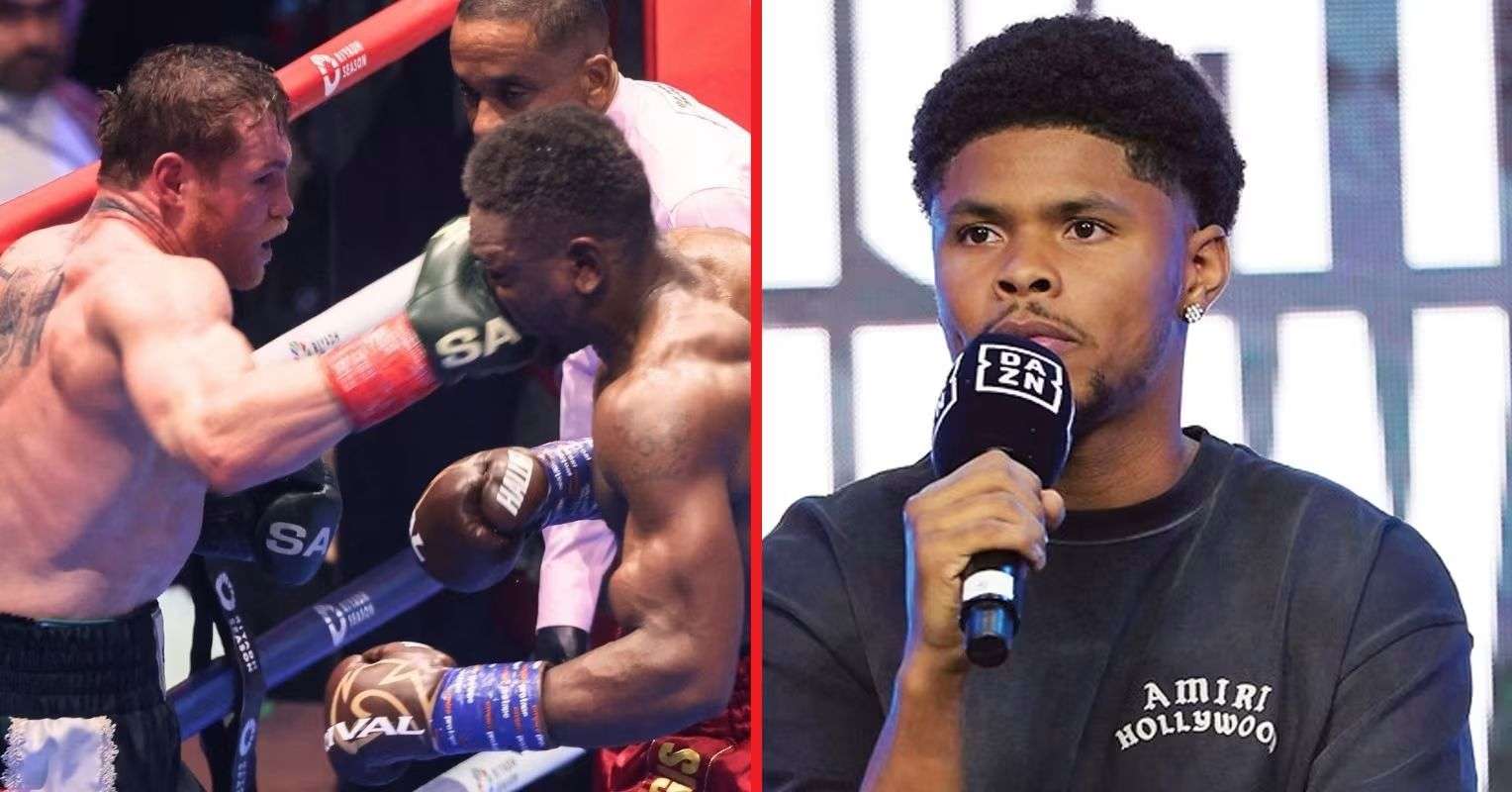
Shakur Stevenson Analyzes Canelos Decision Victory Over Christian Mbilli for WBC Title

Tim Bradleys Honest Assessment of Christian Mbillis Performance in Canelo Alvarez Defeat


-

 Boxing2 days ago
Canelo Alvarez Recaptures WBC Title with Dominant Victory Over Christian Mbilli
-
 Boxing2 days ago
Canelo Alvarez vs. Christian MBilli Live Results: Fight Summary & Highlights
-
 MMA2 days ago
UFC Vegas 123: 'Moicano vs. Nolan' Live Results and Highlights
-
 Boxing2 days ago
Canelo vs Mbilli Fight Scorecard: Live Round by Round Updates
-
 Boxing2 days ago
Ryan Garcia Discusses Mayweather as Team Aims for Teofimo Lopez Showdown
-
 Boxing1 day ago
Jake Paul Analyzes Canelos Impressive Decision Victory Over Christian Mbilli
-

 Boxing2 days ago
Sheeraz Anticipates Canelo Fight Payday After Narrow Victory Over Zachenhuber
-
 MMA1 day ago
Jasmine Jasudavicius eyes Natalia Silva title rematch in Toronto