Connect with us

Boxing

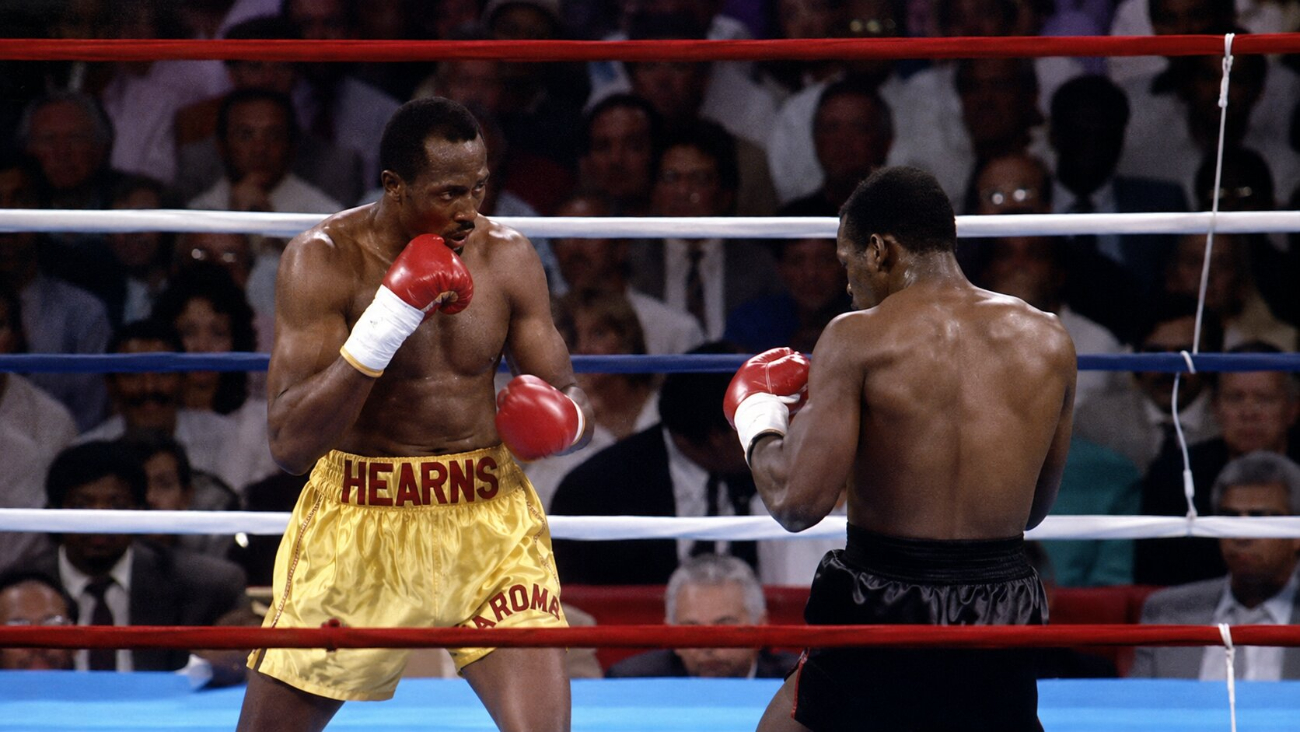
Tommy Hitman Hearns Reflects on His Powerful Knockout Victory Over Barkley

Published

on

"Tommy 'Hitman' Hearns Reflects on His Powerful Knockout Victory Over Barkley"
Add EBoxing News 24as a preferred source on Google

Follow Boxing News 24 on Google News

Barkley brought a 24-4 record and little of Hearns’ glamour. The Bronx pressure fighter had already failed in one title bid, losing a 15-round decision to Sumbu Kalambay in 1987. A fifth-round stoppage of Michael Olajide earned him another opportunity, but the 4-1 odds reflected how the public viewed it. Barkley was tough enough to absorb punishment, not skilled enough to defeat Hearns.

Those opening two rounds supported that judgment. Hearns controlled the distance with his long jab, drove right hands through Barkley’s guard, and ripped punches into the body. A cut opened above Barkley’s left eye in the first round. By the end of the second, he had also suffered a cut over his right eye and a laceration on his lower lip.

Each judge had Hearns ahead 20-18. He had landed 52 percent of his 157 punches, compared with 31 percent of 122 for Barkley. Attempting 157 in slightly more than eight minutes also revealed the risk hidden inside his dominance. He was not content to conduct a long-range boxing lesson. He kept stepping within Barkley’s reach to deliver sustained power combinations.

Such aggression ran against the safest strategy available to Hearns. His height, reach, jab, and superior hand speed allowed him to score without accepting equal danger. Once Barkley began bleeding, however, Hearns fought as though a stoppage was waiting to be collected. Instead of using his legs after each attack, he stayed in range to admire his work and reload.

Attacking the body was effective, but it required Hearns to spend more time at midrange. Barkley was being hurt without being physically displaced. Every combination gave him another chance to recognize when Hearns entered, which hand returned slowly, and where the champion moved after finishing.

Although Hearns had carried his power through several divisions, the added muscle did not eliminate defensive habits formed at lighter weights. He often held his lead hand near his waist before snapping the flicker jab upward from an unusual angle. Against shorter welterweights, that style made the jab difficult to read and created a long barrier they had to cross.

At 6-foot-1 and 160 pounds, Barkley was neither markedly shorter nor physically fragile. He possessed the thicker upper body of a natural middleweight, absorbed punches that had overwhelmed smaller opponents, and retained enough strength to throw with full force after taking sustained punishment.

Those injuries increased the urgency. With cuts above both eyes and another on his lip, Barkley could not count on receiving unlimited time. A cautious response would have let Hearns keep widening the lead while the damage worsened. Barkley instead accepted that he might have only a few opportunities left and began searching for one decisive counter.

Hearns’ low lead hand supplied the target. He repeatedly jabbed, lowered his left glove, and moved in the same direction after punching. Barkley started tracking that exit. He did not need to match Hearns’ speed if he could anticipate where the champion’s head would be.

Late in the third, Hearns jabbed and drifted to his left with the lead hand dropping. Barkley did not answer with a standard straight punch. His right hand traveled in an arc over the downward path of Hearns’ glove and entered the blind spot produced by the champion’s upright retreat.

It landed flush and instantly separated Hearns from his legs. Another right sent him flat onto his back.

Although Hearns managed to rise before referee Richard Steele completed the count, standing was not the same as recovering. His legs crossed beneath him, his posture remained unstable, and he could not establish a defensive position. Steele gave him an opportunity to continue because he had beaten the count, then watched Barkley drive him helplessly backward through the ropes.

Stopping the fight at 2:39 of the third round prevented Barkley from landing further unreturned punches. Steele did not need to diagnose what Hearns was seeing. The champion’s equilibrium and inability to protect himself supplied enough evidence.

Offensive control can conceal defensive danger, as the finish demonstrated. Hearns had the faster hands, straighter punches, and greater command of range. His high output magnified the cost of every lapse, while his desire to force a stoppage repeatedly placed him where Barkley’s heavier, looping punches could reach him.

Victory still required exceptional risk tolerance from Barkley. He had to withstand the jab, body shots, and right hands while staying within countering range. Bloodied and falling behind, he recognized one repeated flaw and committed fully to exploiting it.

The Ring named Barkley’s victory its 1988 Upset of the Year. Hearns briefly discussed retirement, then returned to defeat James Kinchen for the inaugural WBO super middleweight title. Barkley lost the WBC belt to Roberto Duran in his first defense the following February.

Four years later, Barkley challenged Hearns for the WBA light-heavyweight championship on March 20, 1992. In the fourth round, he countered a Hearns right hand with a left hook to score the fight’s only knockdown. That moment proved decisive when Barkley earned a split decision after 12 punishing rounds.

Barkley remains the only boxer to defeat Hearns twice. The first victory required him to survive a beating, identify one repeated flaw, and trust that a single right hand could erase everything that had happened before it.

Photo: AI-improved.

Youtube video

Continue Reading
Click to comment

Leave a Reply

Your email address will not be published. Required fields are marked *

Boxing

Shakur Stevenson Targets Major Unification Fight: Hes Number One in the Division

Published

on

"Shakur Stevenson Targets Major Unification Fight: 'He's Number One in the Division'"

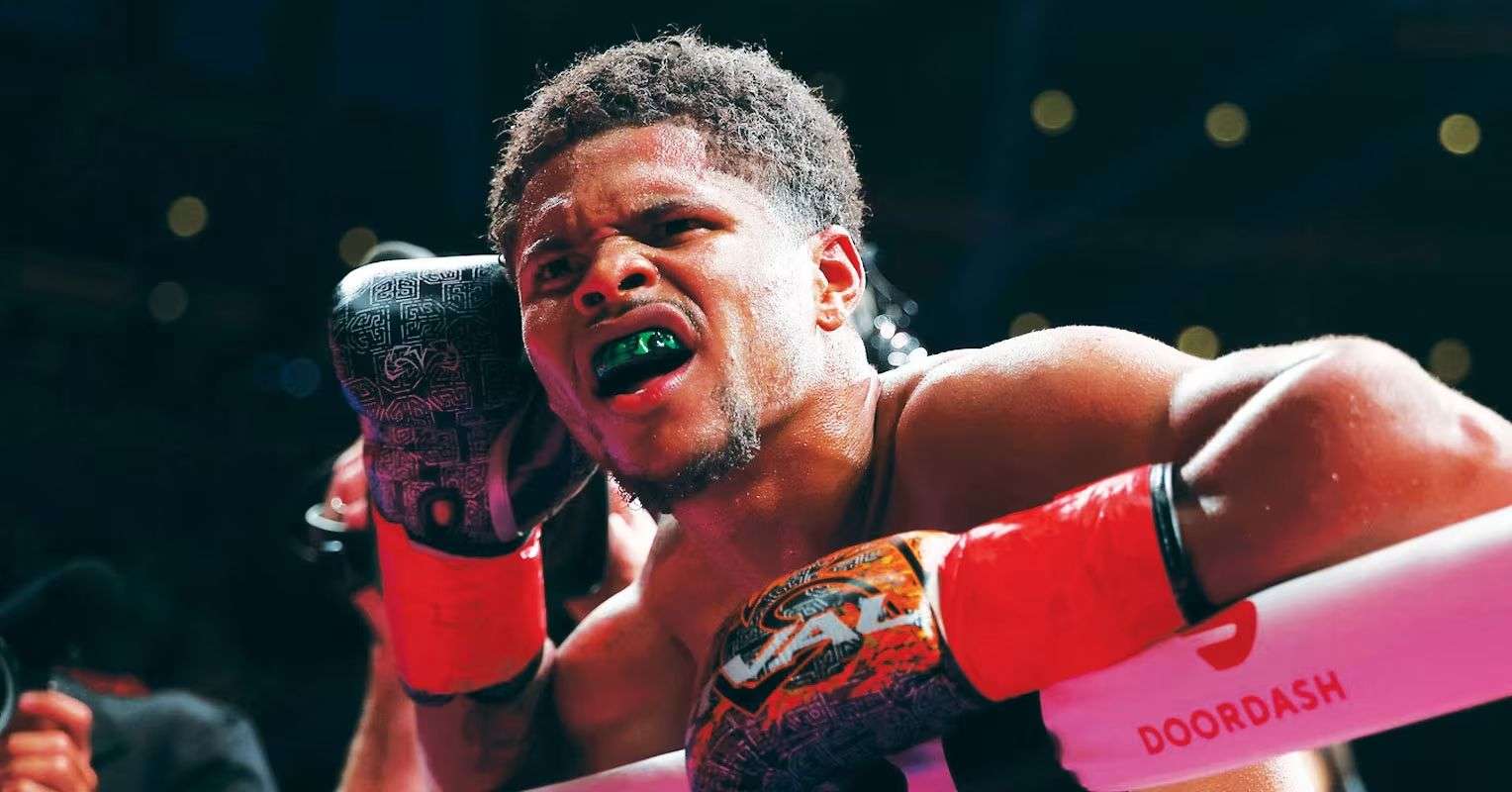
Shakur Stevenson has proven himself to be one of the top fighters on the planet after becoming a four-weight world champion earlier this year, and now the Newark southpaw has been called out for a unification showdown in the super-lightweight division.

Stevenson got the better of Teofimo Lopez back in January as he claimed the WBO super-lightweight title to become boxing’s third-youngest four-division world champion of all time and establish himself as one of the sport’s best pound-for-pound talents.

Since that triumph, Stevenson has remained inactive, much to the frustration of him and his fans, with his recent release from Zuffa Boxing providing hope that he could return to action in the near future.

Now, in an interview with Ring Magazinereigning WBC super-lightweight world champion Dalton Smith has shared his plans to fight at Hillsborough Stadium – home of his beloved Sheffield Wednesday Football Club – believing a unification with Stevenson to be the ideal fight for the venue.

“For me, the number one goal is [to fight at] Hillsborough [Stadium] and of course, you would have to have a big name there, a unification, but there is many options and that is for my team to decide. So, we need to sit down as a team and decide what those options are. I would just love to do Hillsborough.”

“Of course, there are no two ways about it, Shakur is the number one fighter in the division. He is obviously a four-weight world champion and, of course, he is one hell of a fighter, but I am in a position now where I can cement my own legacy and push on to be that number one.

“If I keep winning and keep bringing eyes to the sport, then I think that it is a fight that can be built and something big can come from it.”

The WBO have recently ordered negotiations between Stevenson and mandatory challenger Raymond Muratalla, which could see Smith and Stevenson potentially aligned for a summer scrap in the near-40,000 capacity Sheffield venue.

Continue Reading

Boxing

Deontay Wilder Set to Face Former Champion on Fury vs Joshua Undercard – Fight Official

Published

on

"Deontay Wilder Set to Face Former Champion on Fury vs Joshua Undercard - Fight Official"

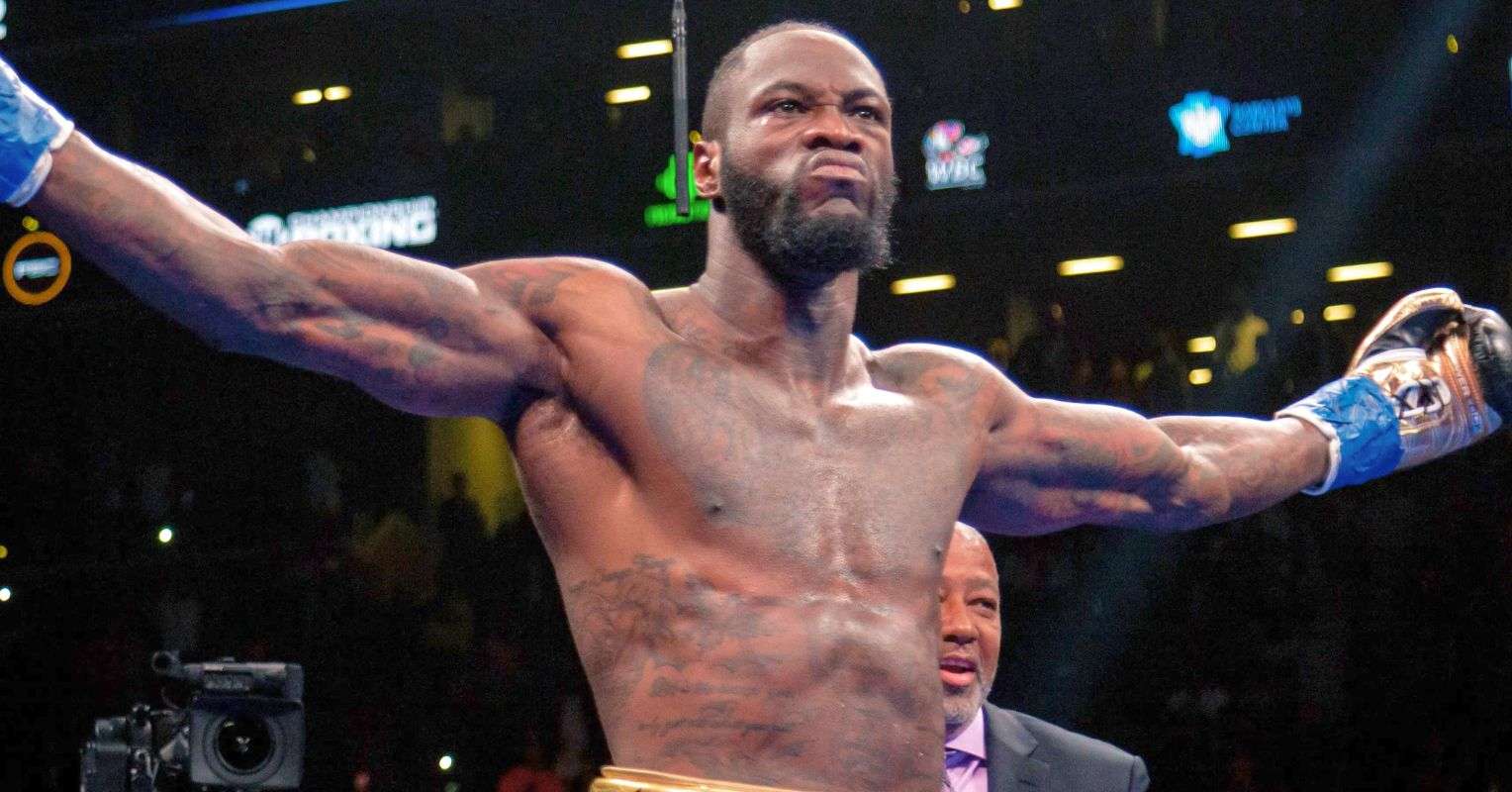
Deontay Wilder‘s return to the ring on the Tyson Fury vs. Anthony Joshua undercard has been officially announced.

The former WBC heavyweight champion was last in action back in April when he claimed a split decision victory over Derek Chisora at The O2 Arena in London.

It saw Wilder make it back to back wins after his seventh round stoppage against Tyrrell Herndon in June 2025, following a poor run of form that saw ‘The Bronze Bomber’ lose four of his last five contests before that.

Since the triumph against Chisora, Wilder had been linked to a clash with heavyweight king Oleksandr Usyk, but after that bout failed to materialise, it has now been confirmed that the American will meet Jai Opetaia on the Fury vs. Joshua bill next month.

Opetaia is a two-time IBF cruiserweight champion, but has lost the belt on both occasions outside of the ring, the latest of those coming after a dispute with the governing body earlier this year saw him stripped of the title after his signing with Zuffa Boxing.

Despite no longer holding a world title, Opetaia is still regarded as one of the best cruiserweights in the world, and after his ninth round stoppage win over Noel Mikaelian in September, he currently holds an unbeaten record of 31-0.

He will now step up to heavyweight for the clash against Wilder at the Principality Stadium in Cardiff on December 11, and even though he will be heading into a new weight class, the Australian is still set to be seen as a big favourite.

A victory for Opetaia could set up a huge showdown at cruiserweight against David Benavidez in 2027, but ‘The Mexican Monster’ may also be about to turn his attention to a clash with Usyk next year, after the Ukrainian announced his plans to return to 200lbs.

Continue Reading

Boxing

Canelo Alvarez Seeks Crawford Rematch, But Purse Demands May Derail Plans

Published

on

"Canelo Alvarez Seeks Crawford Rematch, But Purse Demands May Derail Plans"

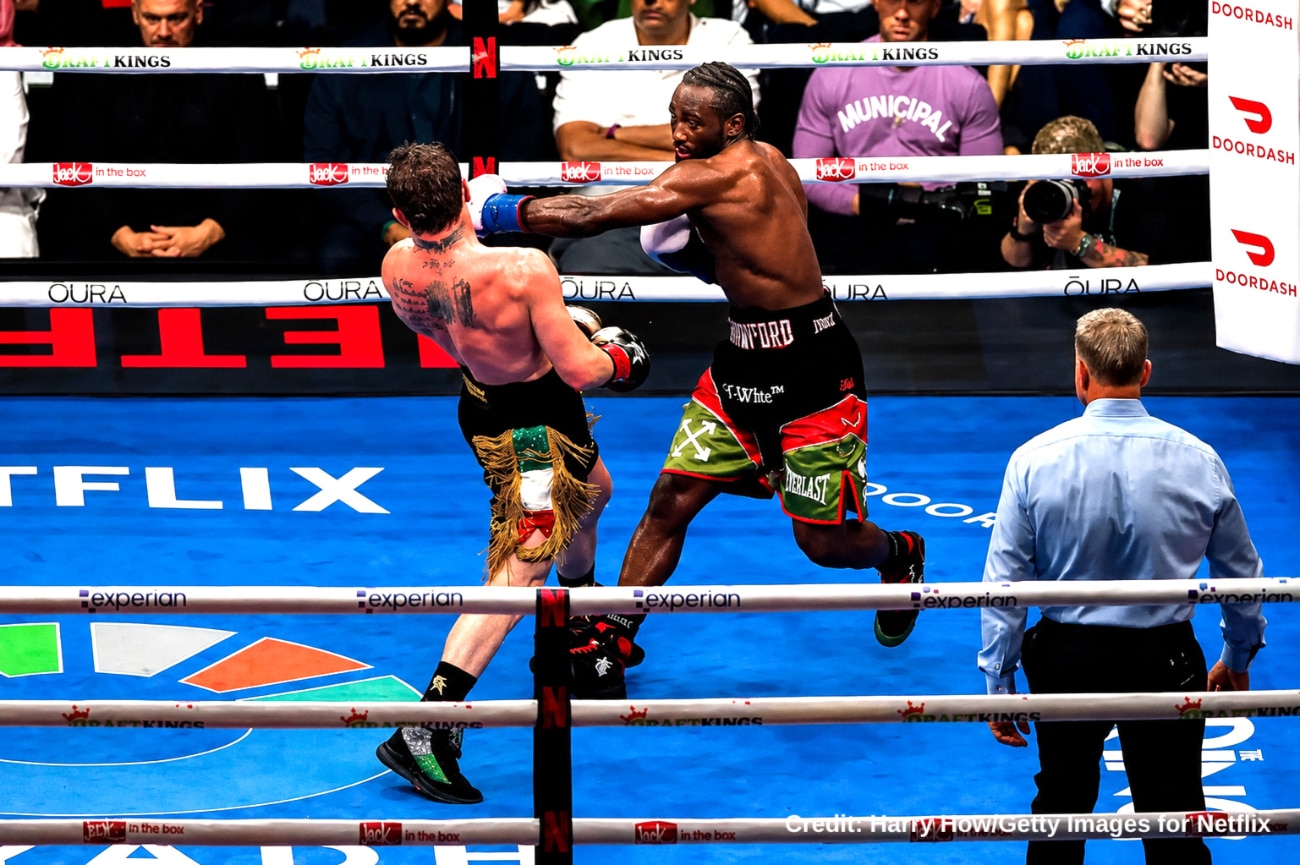
Terence Crawford appears ready to talk business, yet Canelo Alvarez wanting a rematch is only part of the equation. The real hurdle sits with whether Turki Alalshikh will supply the massive purse required to draw Crawford out of retirement.

“Hurry up I don’t got forever or all day to be waiting,” Crawford posted on X.

A rematch between Canelo Alvarez and Terence Crawford makes almost zero financial sense unless someone is comfortable eating an astronomical deficit just for the ego trip of staging it.

Crawford walked away from their first meeting with the undisputed crown, his undefeated record intact, and an estimated $50 million. If he comes out of retirement, he expects a raise, not a pay cut, and talk has suggested he wants numbers pushing toward nine figures. But where does the return on investment come from?

If Turki saw real value in a second meeting, the contract would already be signed and announced. The hesitation tells you everything about how that first fight went over behind closed doors. Turki is a fan who wants value for his money. He pays for violence, drama, and events that generate genuine international buzz. Crawford delivered none of that.

Crawford took the check, executed a safe, low-risk game plan, and left Las Vegas with the belts while the broadcast limped across the finish line. Why would any backer voluntarily line up to pay Crawford another record sum to repeat that exact same performance? The market has moved past Crawford anyway. At 168 pounds, there are younger, hungry fighters who fight with bad intentions, bring high punch volume, and come at a fraction of Crawford’s price tag.

From a pure boxing standpoint, taking no damage and collecting an enormous check makes sense for Crawford’s retirement fund. From a promoter’s standpoint, spending tens of millions to watch a guy jab, reset, circle, and coast to a decision feels like burning money.

When an event bleeds cash, promoters usually swallow the loss if it generates fanatical public demand for a sequel. That demand does not exist. Nobody outside of Canelo’s immediate camp is clamoring to see Crawford repeat the same cautious tactical performance. Canelo wants redemption because that loss damages his commercial standing, but Canelo wanting to fix his record is not Turki’s problem to solve with another fortune.

Throw in Crawford wanting a raise on top of what he made previously, and the proposition becomes absurd. Paying more money for a fight that previously delivered tepid action, zero viral highlights, and heavy financial losses defies basic logic. Unless Turki decides he simply wants to throw away millions to grant Canelo a personal favor, the checkbook stays shut.

Crawford is notoriously low-key and uninterested in selling fights outside the ring, and Canelo never plays the villain to get fans interested. Neither fighter is going to manufacture an entertaining promotional run to convince casual fans to shell out top dollar.

Canelo can campaign for the matchup publicly, but he cannot bankroll it alone. Just because Turki funded their first bout does not ensure the same checkbook opens for an encore, particularly at the price Crawford likely demands.

Even Saudi backers have to look at the balance sheet when the opening event already carried massive overhead and likely finished well in the red. Sinking another $120 million to $150 million into combined purses for two quiet personalities who produced a tactical chess match the first time around is an easy way to burn cash.

Canelo might want the opportunity to erase the blemish on his record, especially after getting past Christian Mbilli to pick up the WBC belt again. But wanting revenge and convincing someone to lose tens of millions of dollars to stage it are entirely different realities.

Share this article

Continue Reading
Advertisement

OUR NEWSLETTER

Subscribe Us To Receive Our Latest News Directly In Your Inbox!

We don’t spam! Read our privacy policy for more info.

Trending