Boxing
Gassiev won the belt – Moses Itauma got the message

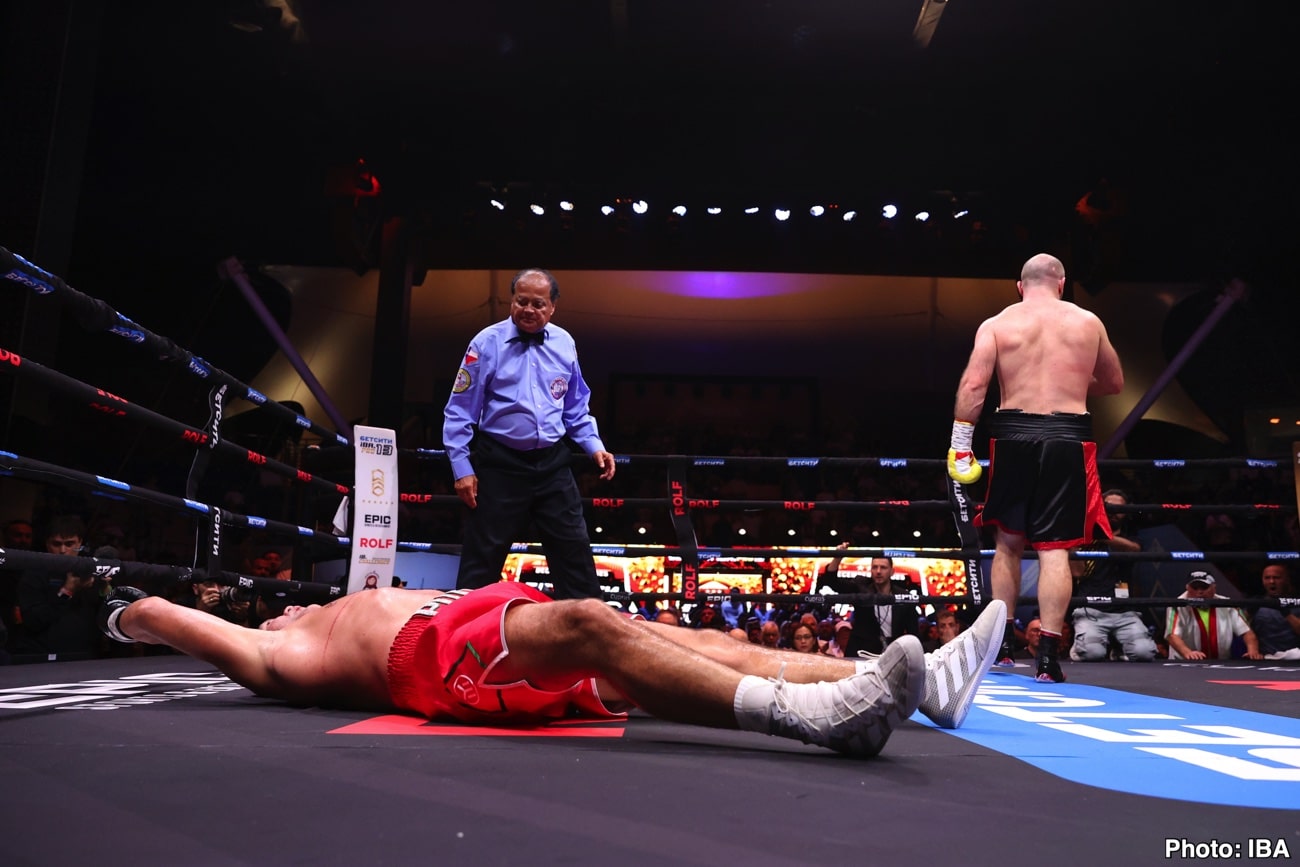
Boxing fans saw Murat Gassijew shut down Kubrat Pulev and the conversation immediately moved to the next level. Quite fair. Heavyweights still decide evenings with one tidy shot, as Gassiev reminded everyone in Dubai.
But that knockout wasn’t a real aftershock from IBA Pro 13. The real noise started when the belt landed on Gassiev’s shoulder. Because from that moment on, the name Moses Itauma was right behind him.

Because the moment Gassiev won the WBA belt, the division quietly put one name behind him. Obligatory. No detours. No cushioned landings. The youngest heavyweight everyone looks up to is now staring straight at the guy who doesn’t miss when he charges.
Why Itauma is now front and center
Itauma was sold as the future for a reason. Rapid feet. Pointed balance. Itauma looks comfortable there in a way that usually takes a few scares to learn. He doesn’t rush, he doesn’t throw away the trash, he doesn’t lose his mind when things snail-paced down. This type of control usually takes years to learn.
He hasn’t faced a heavyweight that can yet finish the fight without gaining momentum.
Gassiev doesn’t need rhythm. He doesn’t need rounds to sultry up. Against Pulev, he checked, read one mistake and detonated. That left hook wasn’t flashy. It was hefty, compact and ferocious.
It’s the kind of power that forces potential clients to grow up quickly.
Style breakdown: youth versus consequences
Itauma wins with speed and cleanliness. He touches, moves away, touches again. Makes opponents look half a beat snail-paced. Against most heavyweights, that’s enough.
Gassiev shrinks the ring. He doesn’t chase recklessly, but compresses the space until words are exchanged, whether you want him to or not. When they do this, his shots are off target. They destroy.
If Itauma stays in range and has excellent distance control, he can rack up runs early. If he gets greedy even once, the fight can turn around instantly. Heavyweight fighters don’t learn against fighters like that.
That’s the risk. And that’s why people in gyms are suddenly paying attention.
Why this fight is hazardous for everyone involved
For Itauma, it is an opportunity and danger rolled into one. Beat Gassiev and the hype becomes legal overnight. Lose badly and the climb slows down, whether anyone admits it or not.
For Gassiew, timing is everything. He is not interested in waiting behind politics or names that will not sign. A mandatory fight against a juvenile, undefeated heavyweight keeps him energetic and relevant. He’s already talked about Wembley. This is how you force these conversations.
After the victory, Gassiev remained respectful. Composure. Measured. No chest thumping.
But don’t be fooled. This version of him is not here to mentor anyone.
In the heavyweight division, faith matters. Power matters more.
And Moses Itauma simply became part of that equation, whether he wanted to or not.
Last update: 13/12/2025
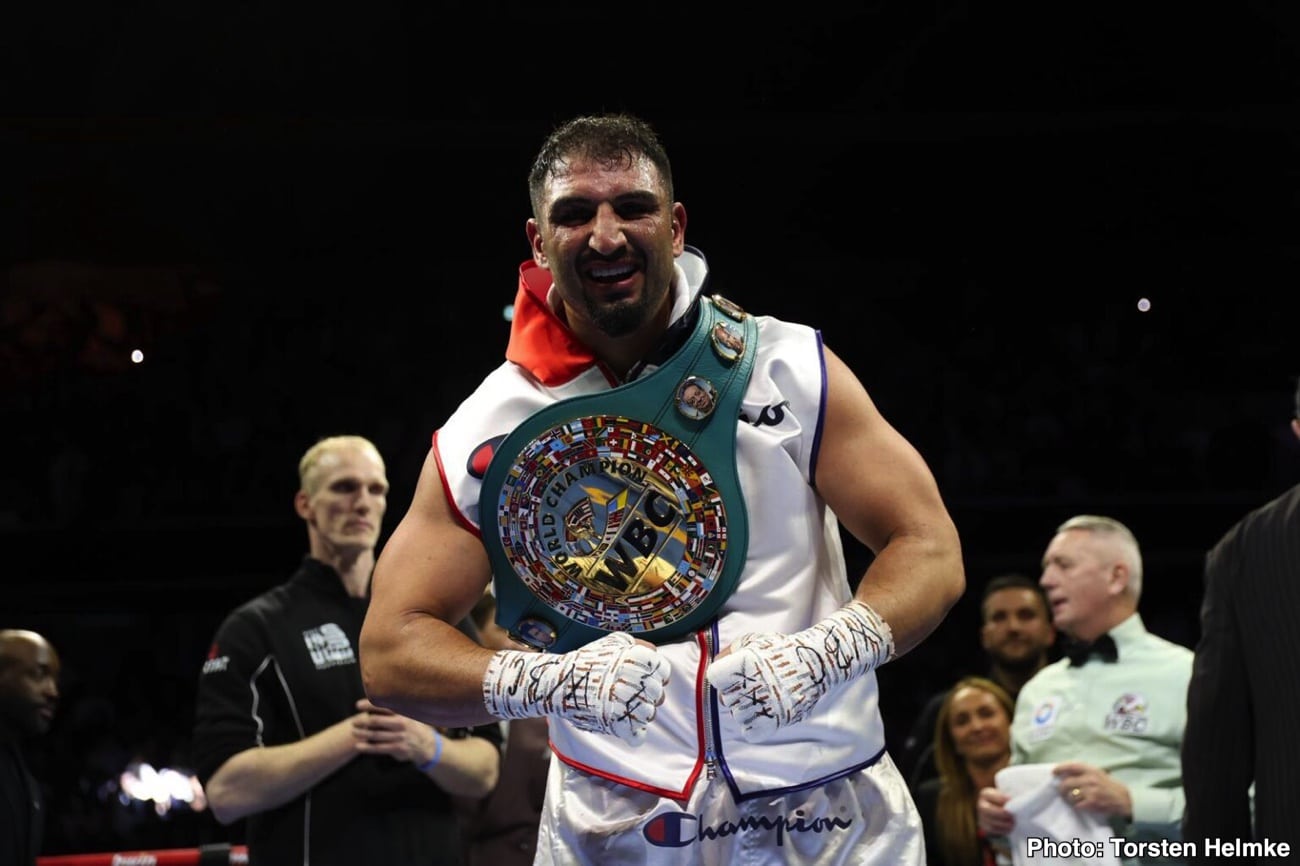
David Haye believes Agit Kabayel’s movement and body punching could punish Daniel Dubois for loading up on his shots. The approach that overwhelmed Fabio Wardley could leave Dubois working much harder against the unbeaten German.
Dubois’s second-round stoppage of Wardley showed how destructive he can be against an opponent whose attacks he can anticipate. Kabayel would offer a different test, making him change direction and create fresh openings rather than repeatedly finding the same target.
Haye praised Dubois’s physical qualities but argued that he could benefit from using smaller punches to set up his power shots.
“He’s an absolute machine. Everything is the perfect size heavyweight. He takes a dig. He’s a massive puncher,” Haye said to talkSPORT Boxing.
“I’d like to see him loosen up a little bit. Everything feels very forceful.”
Haye used Lennox Lewis as an example of a heavyweight who could open opponents up before committing to his biggest punches. Against Kabayel, he believes Dubois would need more than force.
“Against Kabayel, that style of just trying to force it won’t work,” Haye said. “He’s slippery, he turns angles, throws to the body.”
Wardley gave Dubois opportunities to land short, powerful counters. Kabayel’s movement could require Dubois to keep adjusting his feet while protecting his body. Loading up and missing would cost energy, particularly if Kabayel made him turn before he could punch again.
That makes the matchup a test of how Dubois creates opportunities when an opponent refuses to remain in front of him. His power could still change the fight, but reaching for a knockout would give Kabayel more chances to work.
Haye called Kabayel “the sleeper,” highlighting his willingness to face dangerous opponents without the promotional attention enjoyed by bigger names.
“He’s the one everyone’s avoided. He’s the one who’s had all these tough fights against unbeaten fighters when nobody else wanted it,” Haye said.
Haye still didn’t pick Kabayel to win. His argument was that Dubois would face a much tougher technical test. The power would remain a threat, but Kabayel could make him work a lot harder to deliver it.

Boxing
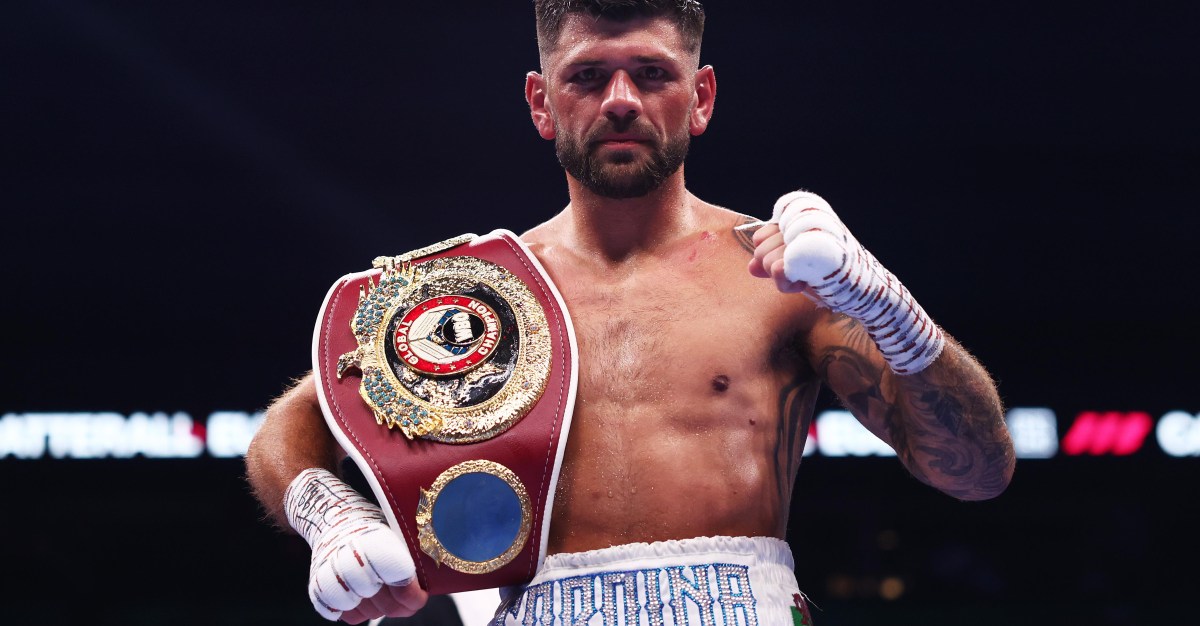
Joe Cordina Cleared of Assault Charges After Punching Incident: Former Boxing Champions Legal Victory


Today in British Boxing: Uncovering the Latest Crime News and Controversies

David Haye Warns Agit Kabayel Could Pose Serious Challenge to Daniel Dubois

Joe Cordina Cleared of Assault Charges After Punching Incident: Former Boxing Champions Legal Victory
Today in British Boxing: Uncovering the Latest Crime News and Controversies
David Haye Warns Agit Kabayel Could Pose Serious Challenge to Daniel Dubois
Joe Cordina Cleared of Assault Charges After Punching Incident: Former Boxing Champions Legal Victory


-
 MMA2 days ago
16-0 Farid Basharat fires back at Dana White over UFC exit comments
-
 MMA23 hours ago
Joaquin Buckley vows to livestream UFC comeback after 3 straight losses
-
MMA23 hours ago
Joaquin Buckley vows to livestream UFC comeback after 3 straight losses
-
 Boxing2 days ago
Adrien Broner Evaluates Floyd Mayweathers Odds Against Ryan Garcia at 49
-
 Boxing2 days ago
David Benavidez Finally Pursues Canelo Alvarez Three Years Later
-
 Boxing2 days ago
Filip Hrgovic Faces Dubois Rematch Challenge Against Frank Sanchez
-
 Boxing1 day ago
Unbeaten Champion Challenges Oleksandr Usyk for Cruiserweight Title Redemption
-
 Boxing1 day ago
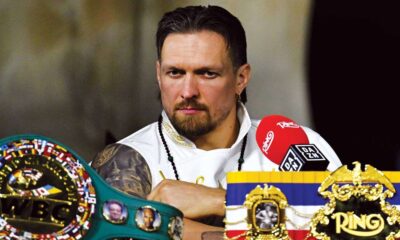
Unbeaten Champion Challenges Oleksandr Usyk for Cruiserweight Belts in Exciting Boxing Match