
uncategorized
Anthony Joshua Aims to Dominate Kristian Prenga and Reassert His Wrecking Machine Status

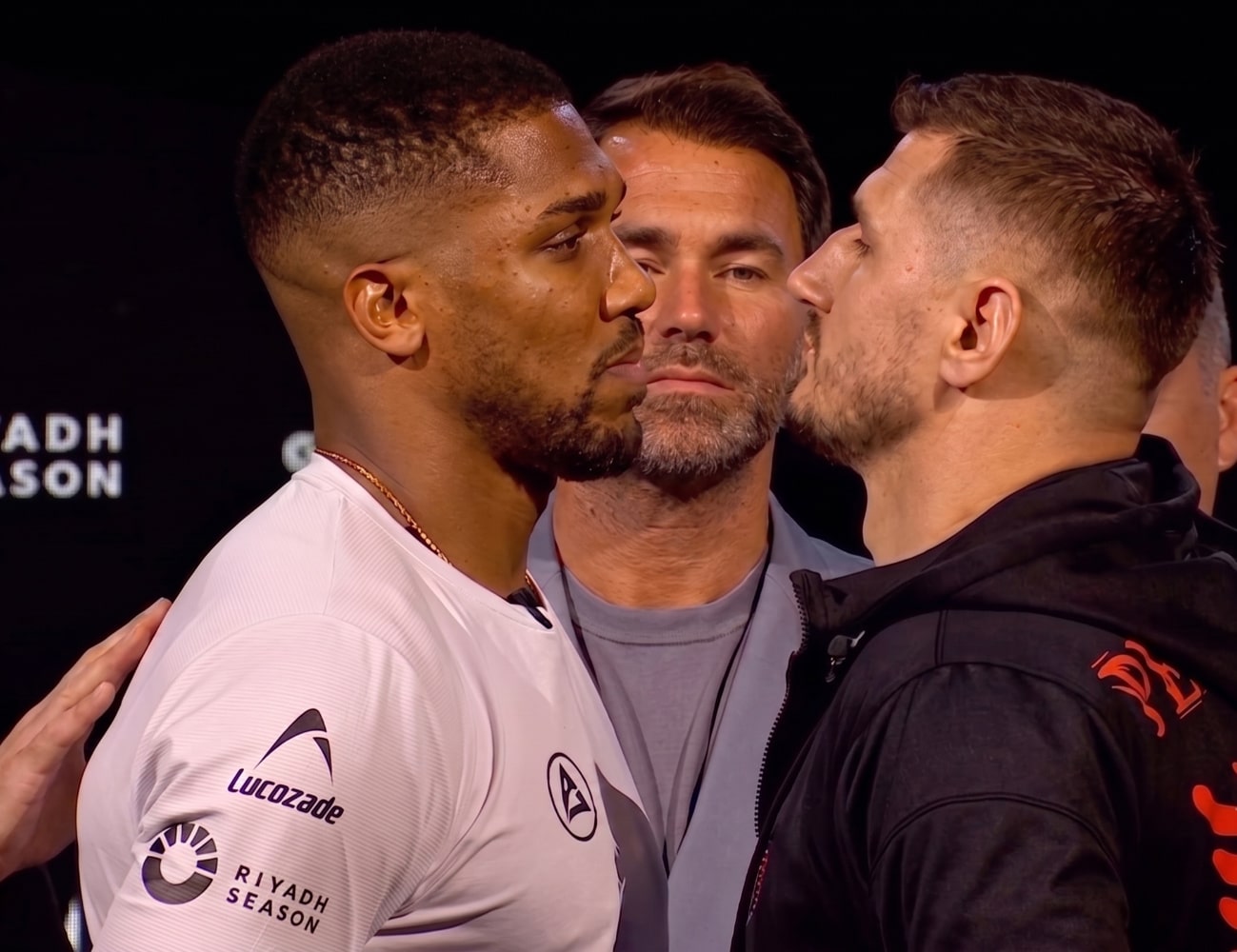


“I want to hurt him,” Joshua said to DAZN Boxing when discussing the fight. “It’s not nothing to do with him. It’s just me. It’s just I believe in myself, and I know I can do it, and I want to prove to myself I’m a serious wrecking machine. I got dynamite in both hands, and I want to punch with bad intentions.”
Joshua said his comments were not personal toward Prenga.
“You got to take him out. You got to have the right mindset, the know-how and have full belief in yourself,” Joshua said.
The 36-year-old also acknowledged that the pressure surrounding the fight extends beyond his opponent. Joshua said he feels responsibility to perform, secure a victory and move on to the marquee fight he has targeted next.
“I want to perform. I want to win. I want to fight Fury,” Joshua said. “I’ve got an obligation to my fans.”
Earlier in the interview, Joshua admitted that it has been difficult not to think beyond Prenga because of the opportunities that could follow.
“It is on Prenga, but it’s also on Fury because I want it all,” Joshua said. “I’ve mentioned in this interview now, undisputed, world champion, Prenga, Fury, I want it all.”
Joshua faces Prenga on July 25 in what is expected to be a tune-up ahead of a potential showdown with Tyson Fury later this year.
A convincing performance would keep those plans on track, but Joshua made it clear that he is aiming to send a stronger message than simply winning. Joshua meets Prenga on July 25 in Saudi Arabia. A victory is expected to move him toward the Tyson Fury fight he repeatedly discussed during the interview.

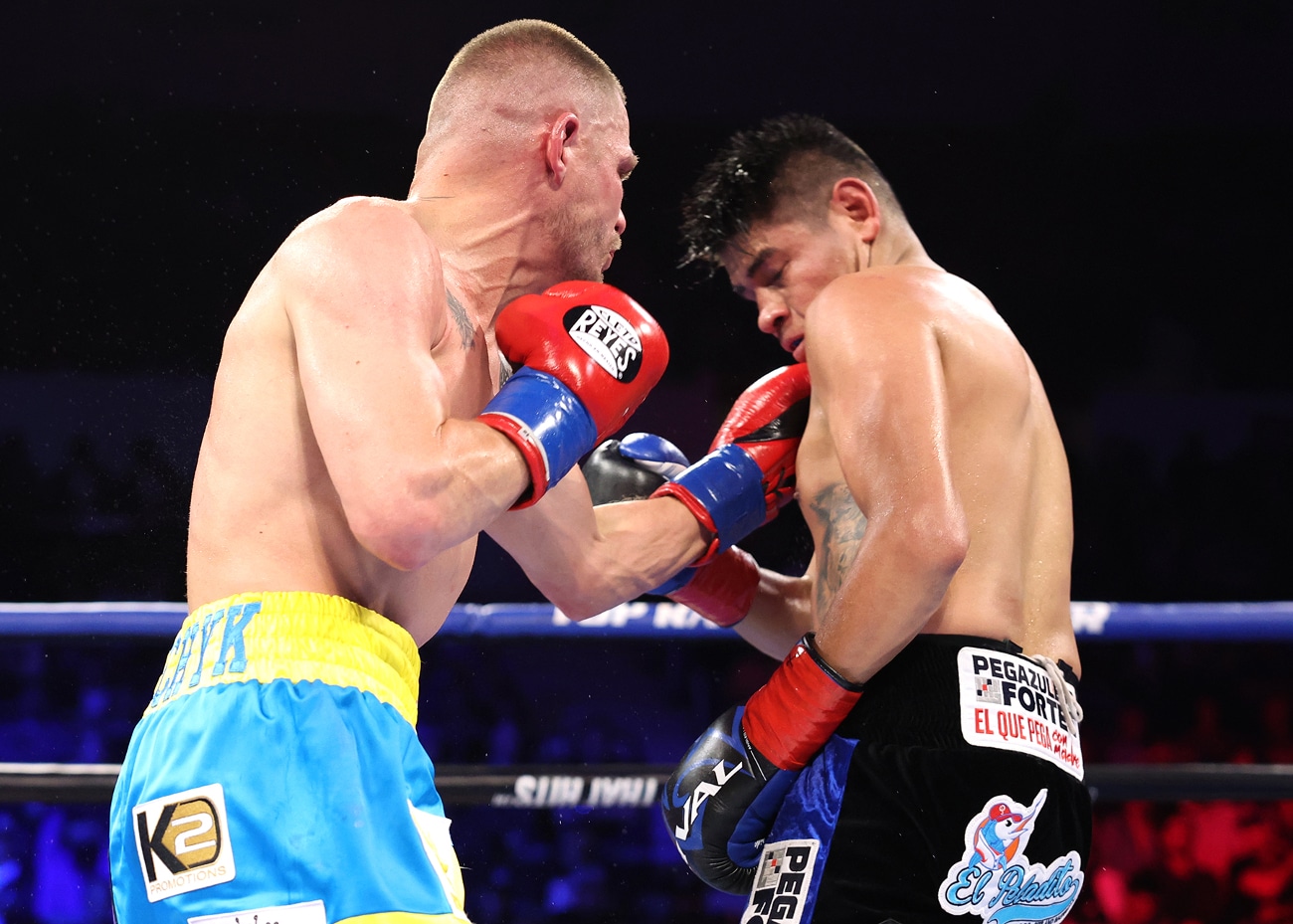
Noakes (18-1, 16 KOs) is looking to rebound from the first defeat of his professional career after dropping a competitive decision to Abdullah Mason last November in Saudi Arabia. The entertaining contest earned Fight of the Year consideration, but it also halted the momentum the 28-year-old had built toward a world title shot.
He returned in May for a low-risk outing, stopping Benito Sanchez Garcia in two rounds at York Hall.
Berinchyk (19-1, 9 KOs) would represent a step up from that assignment, although he’s hardly entering the fight with momentum of his own. The 38-year-old Ukrainian hasn’t fought since suffering a fourth-round stoppage loss to Keyshawn Davis on February 14, 2025, when he lost the WBO lightweight title.
While Berinchyk’s experience and former world champion status add credibility to the matchup, both fighters are coming off losses, taking some of the shine off what otherwise could have been an intriguing lightweight clash.
From a matchmaking standpoint, however, the fight makes sense. Berinchyk offers Noakes a respected name without the risk that comes with facing one of the division’s younger contenders. A matchup against an unbeaten prospect such as Alan Chaves may have generated more interest, but it also would have posed a far more dangerous assignment for a fighter trying to rebuild after his first professional setback.
If the fight is finalized, it would serve as a solid keep-busy bout for Noakes while giving him the chance to put himself back in the lightweight conversation with a victory over a former world champion.
The Hall of Famer says a Texas showdown with Vergil Ortiz Jr. would generate more interest and revenue than an immediate fight with the unified junior middleweight champion
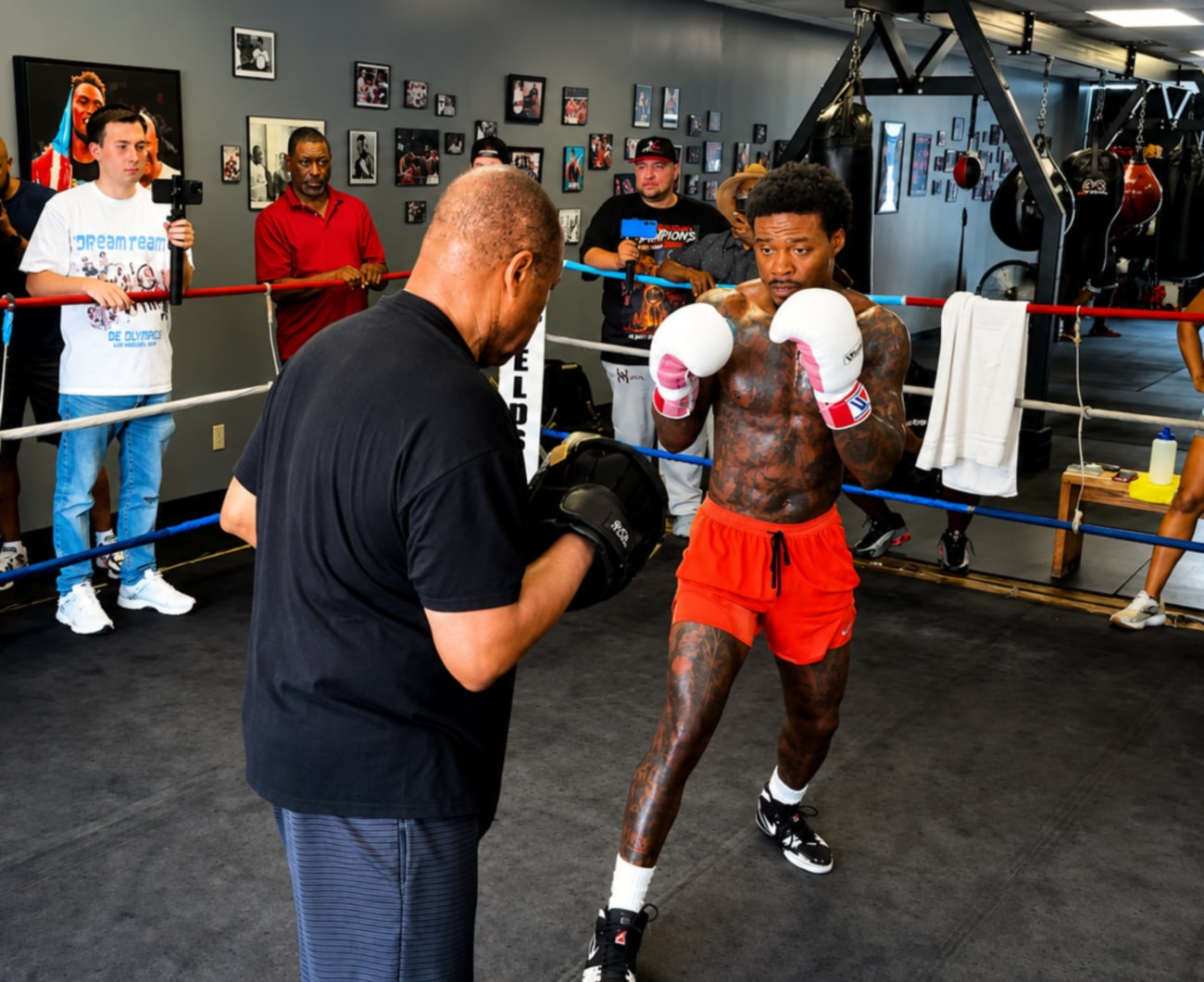
Roy Jones Jr believes Errol Spence Jr should postpone any fight with Jaron “Boots” Ennis if he defeats Tim Tszyu on July 25. Instead, the Hall of Famer says Spence should pursue a Texas showdown with Vergil Ortiz Jr., calling it the biggest fight available at junior middleweight.
Spence (28-1, 22 KOs) returns from a three-year absence on July 25 when he faces former WBO junior middleweight champion Tim Tszyu.
Jones believes a victory should lead directly to an all-Texas clash with Ortiz rather than a title fight against Ennis.
“The biggest fight right now, for that division, is Errol Spence if he beats Tszyu vs Vergil Ortiz in Dallas,” said Roy Jones Jr. on ALL THE SMOKE FIGHT. “They’d sell out Dallas Stadium.
“You don’t throw that away chasing Boots; you let Boots go and fight Fundora first – you wait and see what happens in the Errol Spence fight, if you’re smart.
“You’d make way more money right there in Dallas Stadium.”
Jones is looking at the commercial value of the matchup as much as the boxing side. Spence and Ortiz are both Texas natives and came through the amateur ranks in the state, making the fight an easy sell to local fans.
Ortiz is coming off a career-best win over Israil Madrimov and remains one of the leading contenders at 154 pounds. Ennis currently holds the WBA and WBO titles, while Sebastian Fundora owns the WBC belt, giving the division several major fights if Spence can get past Tszyu in his long-awaited return.

Click here to subscribe to our FREE newsletter
Latest Boxing News:
Last Updated on 2026/07/08 at 1:13 PM
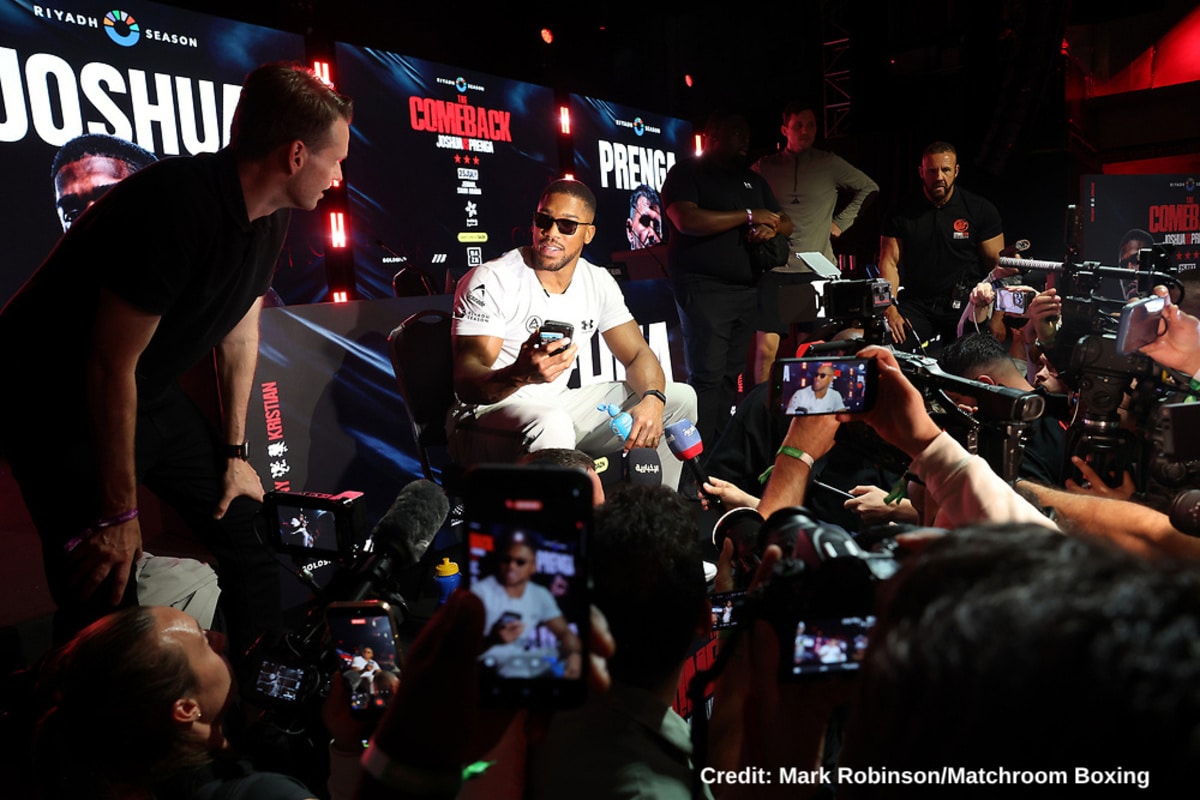
The 35-year-old contender knows most of the attention surrounding the fight has centered on Joshua’s future rather than the opponent standing across the ring from him. He warned that looking ahead to Fury would be a costly mistake.
“It’s not a good idea he make plans to fight Tyson Fury,” Prenga told Ring Magazine. “I think I’m going to break his plan.”
Joshua (30-4, 27 KOs) is coming off a sixth-round knockout of Jake Paul last December, a comeback victory after suffering a damaging fifth-round stoppage loss to Daniel Dubois in September 2024. A win over Prenga would keep him on course for one of the biggest fights in British boxing against Fury, who is also scheduled to return the day before against Mariusz Wach.
Prenga (20-1, 20 KOs) enters with an eye-catching record, having knocked out every opponent he has beaten. While those victories came against modest opposition compared to Joshua’s resume, the Albanian believes his punching power gives him everything he needs to produce a major upset.
Joshua is still a heavy favorite, but Prenga represents a different type of opponent than some of the former two-time heavyweight champion’s recent rebuilding assignments. Unlike Jermaine Franklin or Otto Wallin, Prenga is an aggressive puncher whose confidence comes from finishing every one of his victories inside the distance.
Overlooking an opponent with that kind of power could be an expensive mistake for Joshua. A knockout win for Prenga over one of boxing’s biggest names would instantly transform his career while destroying the plans for the blockbuster Fury-Joshua meeting.


Cris Cyborg wants to ‘save’ UFC 332 with Amanda Nunes revenge fight

UFC Paris: 'Hooker vs. Parnasse' Live Results and Highlights

Katie Taylor vs Flora Pili: Live Results and Updates on the Fight


-
 MMA2 days ago
Gregory Rodrigues sees ‘technical mistakes’ he can exploit in Dricus Du Plessis
-
 Boxing2 days ago
Andy Ruiz Jr. Drops 20 Pounds in Preparation for Knyba Fight
-
 Boxing2 days ago
Teddy Atlas Predicts Damian Knybas Upset Victory in Opening Match
-
 Boxing2 days ago
Frank Sanchezs Advisor Guarantees Hrgovic a Challenging Night
-

 MMA2 days ago
Khamzat Chimaev gets Gilbert Burns rematch, this time on wrestling mat
-

 MMA2 days ago
Anthony Smith set to return Oct. 2 amid four felony charges
-
 MMA2 days ago
Khamzat Chimaev reacts to rumored Nassourdine Imavov vs. Sean Strickland title fight
-

 MMA2 days ago
Israel Adesanya's next gym move teased as he trains with two UFC stars