


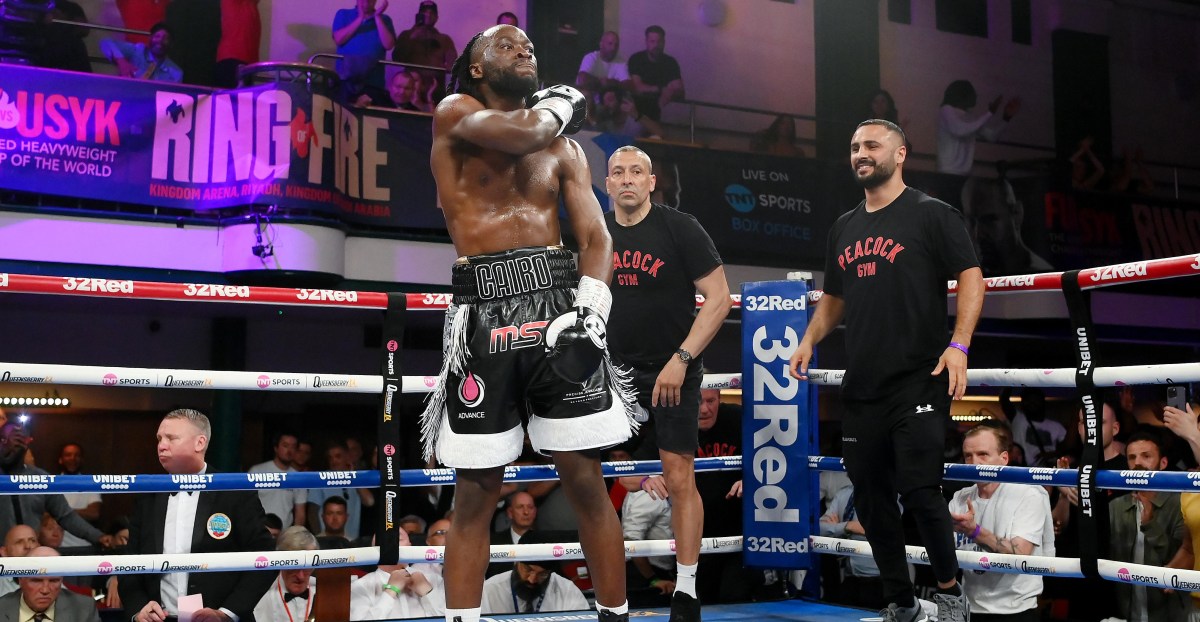
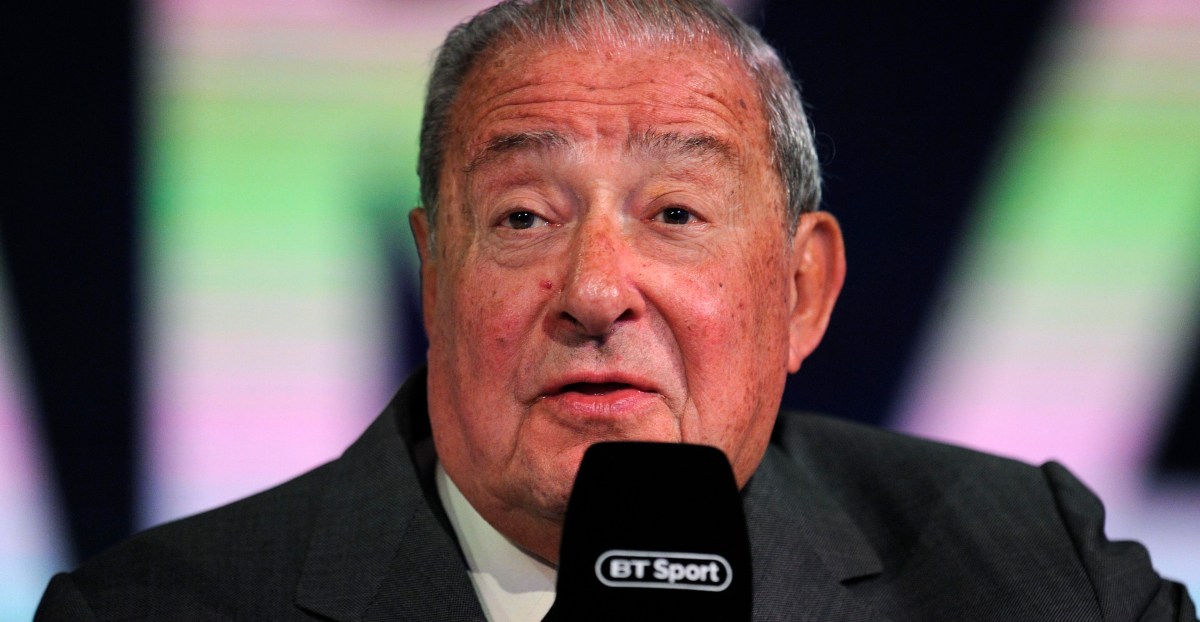
Top Rank promoter Bob Arum is back on the scene with a new knee! And now that he’s getting around again, he was able to catch up with Fight Hub TV to give his perspective on what’s been going on in the boxing business as of late, particularly as it pertains to Zuffa Boxing who appear to be in a state of flux. Check out what he had to say below!
Boxing
Roy Jones sees one path for Gilberto Ramirez to beat David Benavidez

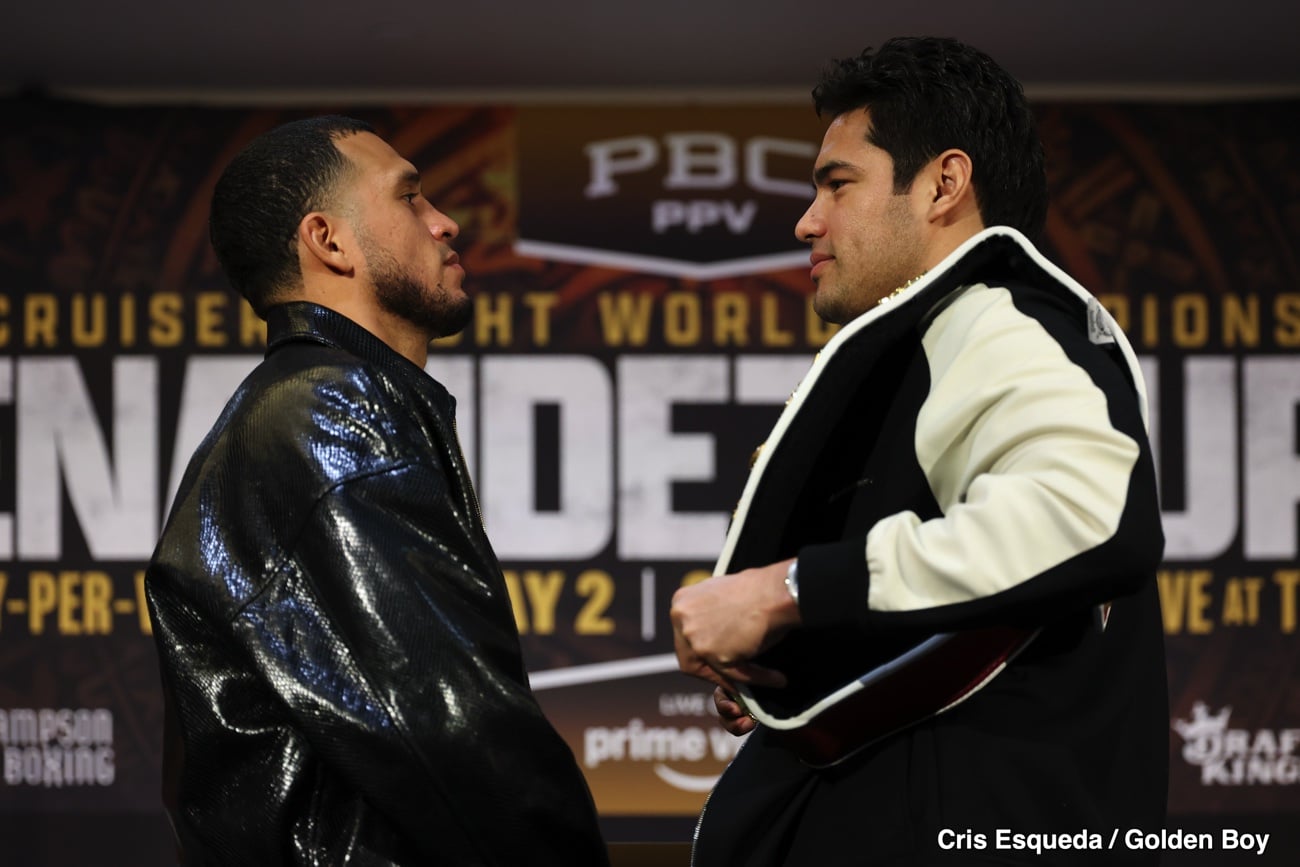
Benavidez created the same problem for opponent after opponent. Players may be competitive at the beginning, but few maintain that level once the rounds are over.
“Guys are having good rounds, they’re not putting up good fights with him. Ultimately, they get exhausted mentally, physically and emotionally, and David Benavidez takes over and gets his hand raised,” Jones told the Hall of Game.
This became a key advantage for Benavidez. His pressure doesn’t always lend a hand in the first few minutes, but it often changes the entire fight when opponents start reacting instead of working.
But Jones doesn’t see Ramirez as a helpless underdog. He cited the Mexican southerner’s experience, length and consistent style as reasons why the fight could become arduous if Benavidez is unable to break him down early.
“If Zordo Ramirez can weather these storms without taking too much of a penalty and keeping the ball tight on defense, he has a chance,” Jones said.
Ramirez has won titles in multiple divisions and has shown that he can fight at a pace without missing many rounds. This can make a difference against an opponent who thrives when rallies become rushed and tumultuous.
Gilberto Ramirez has spent the last few years acclimating to the higher weight classes, and his cruiserweight frame is naturally broader than what David Benavidez faced.
However, Benavidez’s punishment against Oleksandr Gvozdyk and David Morrell Jr. was obvious. Although he won both fights by unanimous decision, those victories were different from his 168 search-and-destroy streak.
In his lithe heavyweight debut against Gwozdyk, Benavidez admitted to suffering a torn ligament in his hand and a cut that forced him to box more conservatively. He dominated the first half, but his punch stats showed a significant sharpening in the later rounds.
Benavidez outscored Gvozdyk 107 to 57 in rounds 1 through 5. That gap narrowed to a much smaller 116 to 106 in the final seven rounds.
The match against Morrell was a close one, with Morrell’s athleticism and strength forcing Benavidez to take weighty shots. Even though the scorecards were clear (118-108, 115-111, 115-111), Benavidez finished the fight with a better result than usual.
The jump to fight Ramirez for the cruiserweight title represents a 25-pound escalate over Benavidez’s longtime home at super middleweight. Critics say that if Gvozdyk and Morrell were able to find openings at 175, a naturally bigger champion like Ramirez would have the stamina to ignore the “Monsters” volume and land more counter punches.
Ramirez thrives when he can apply his reach to keep opponents on the receiving end of his punches. The gigantic question is: Will Ramirez be able to move enough to actually stay out of the line of fire? Since moving up to cruiserweight, his footwork and ability to turn opponents around has been surprisingly excellent.
In his victories over Arsene Goulamirian and Chris Billam-Smith, he used his 180 cm frame to reset the distance each time the situation became more arduous. However, David Benavidez is a completely different animal than Billam-Smith.
While Ramirez’s moves looked great against fighters attacking in a straight line, Benavidez is a master at cutting down the ring and throwing combinations that catch fighters even as they try to move away.
Ramirez tried to apply the move in his match against Dmitry Bivol at 175 pounds and we saw how it went. He was unable to maintain the technical rhythm and ultimately lost by clear decision. Benavidez isn’t as trim as Bivol, but his pressure is much more physically taxing.
Continue Reading


MMA13 hours ago
UFC 333 prop odds: Krylov-Yakhyaev favored for fastest finish

Boxing14 hours ago
WBO Denies Denzel Bentleys Appeal; Orders Showdown with Yoenli Hernandez or Vacate Title
Boxing14 hours ago
WBO Denies Denzel Bentleys Appeal; Must Face Yoenli Hernandez or Vacate Title


-

 MMA2 days ago
UFC 333 Best Bets: Alexander Volkanovski vs. Movsar Evloev goes long
-

 Boxing2 days ago
Dan Rafael Critiques Paramount for Silence on Garcia-Benn Fight Numbers
-

 Boxing2 days ago
Former World Champion with 90% KO Ratio Hopes to Face David Benavidez in Upcoming Fight
-

 Boxing2 days ago
Roy Jones Backs David Benavidez to Defeat Jai Opetaia in Cruiserweight Title Clash
-
 Boxing2 days ago
Floyd Mayweathers Comeback: Agrees to Fight World Champion for WBC Title at 49
-

 Boxing1 day ago
Arnold Barboza Teases Potential Devin Haney Title Fight Opportunity
-

 MMA1 day ago
Brendan Allen says he & Khamzat Chimaev will fight only for UFC gold
-

 MMA1 day ago
TJ Dillashaw predicts Petr Yan vs Merab Dvalishvili trilogy at UFC 333