

Boxing
Chris Billiam-Smith says he has lost his joy over Ramirez Defei

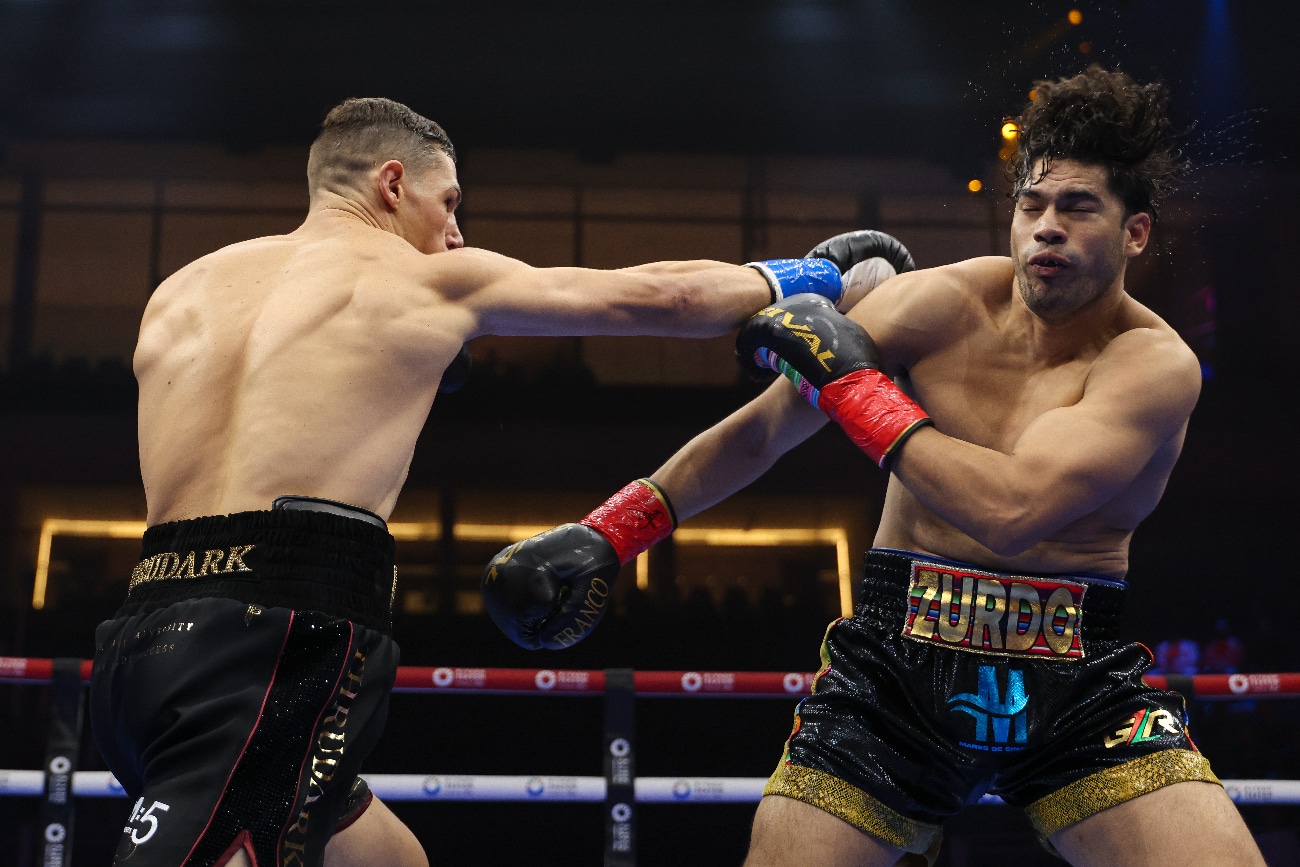
“I didn’t really like boxing at the time,” Billiam-Smith told TalkSport. “It was just a stepping stone fight. I felt comfortable there and I did what I had to do, but the boxing wasn’t even close to my best.”
The change he describes did not occur as a result of a single turning point. Instead, there was the decline that often follows a high-profile failure. He went from being a headliner to fighting earlier on the card and admitted that the loss affected his approach to the night.
The decline from main events to earlier events and all that comes with it was something he felt during his preparation and carried over into the ring.
This version of Billiam-Smith was still good enough to win clearly, but not keen enough to leave any mark. He said he wanted a break, especially after Glanton’s pre-fight comments, but he never forced the issue. By his own description, the performance was consistent with his way of thinking.
Billiam-Smith said these months allowed him to withdraw from the cycle of camps and fights, fix technical issues and return to training in a better place physically and mentally. He believes that next time he will fight in a different version.
“I feel reinvigorated. I truly believe that the next time I step into the ring, a fresh version of me will emerge,” he said.
He currently has no promoter or confirmed opponent, making his return contingent on what opportunities can be built rather than what can be demanded. His goal is to return in May, but the future direction remains open.
Billiam-Smith, 35, still talks like a fighter who sees himself near the top of the division, even claiming he considers himself the best cruiserweight in the world. This claim comes during a period in which he was largely passive and, as he says, not fully committed to his final performance.
The next fight will have to show more than just victory. He must show that the version he describes is true and not just a reaction to the passage of time.
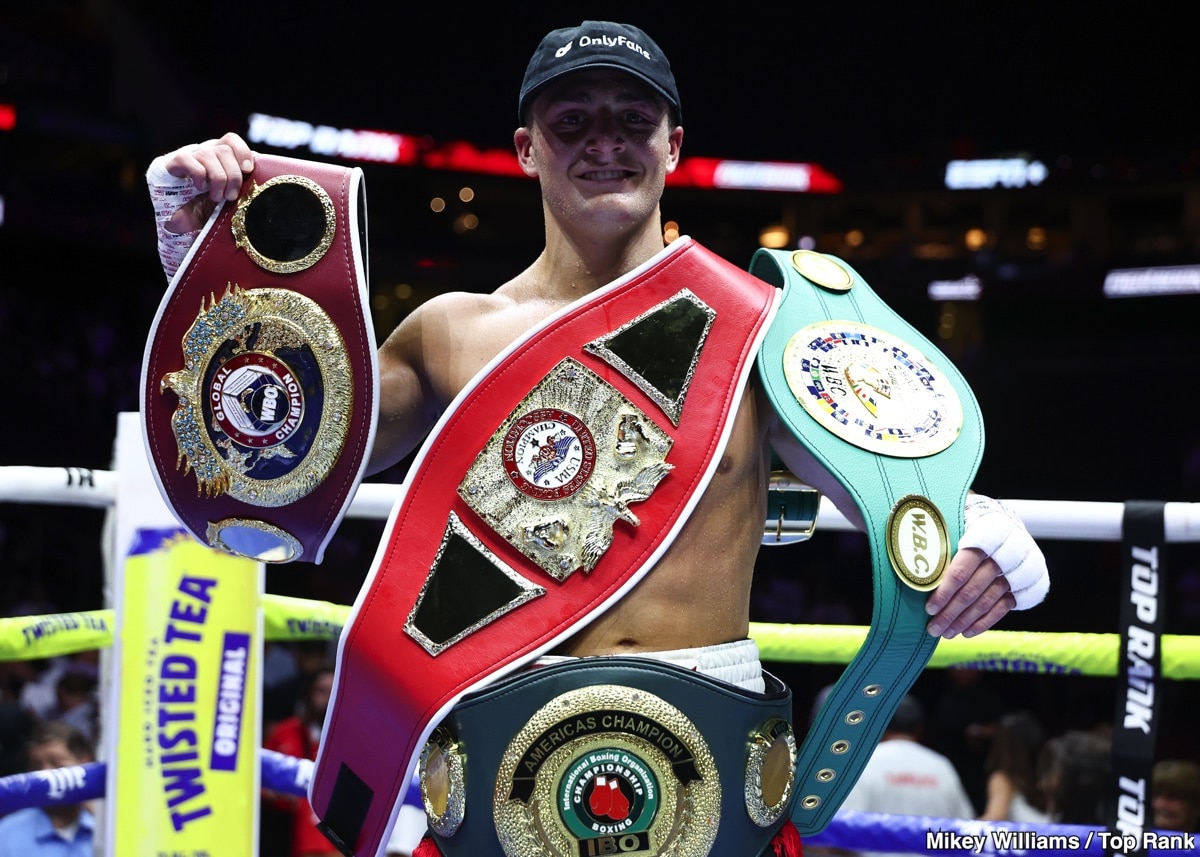


Gardzielik was dropped and lost every round on all three scorecards. Nmomah offered limited resistance before being stopped in the ninth. Huerta went the distance but lost 100-90, 100-90, and 99-91. Those victories showed Mielnicki can dominate carefully selected opposition. They did not demonstrate that he is prepared for a championship fight.
Top Rank moved Mielnicki methodically by matching him against fighters with attractive records but little recognition in the United States. The approach helped him collect regional belts and climb the sanctioning-body rankings without facing anyone near the top of the middleweight class.
The more revealing performances came against Khalil El Harraz and Connor Coyle. Mielnicki edged El Harraz by majority decision and then struggled to a majority draw with Coyle. The New York State Athletic Commission later changed the Coyle result to a no-contest after he tested positive for performance-enhancing drugs, but the ruling did not erase what happened during those 10 rounds.
Mielnicki believes beating Williams would answer criticism of rankings that place him No. 3 with the WBO, No. 7 with the WBA and WBC, and No. 9 with the IBF.
“I feel like having a name like him on my resume will silence a lotta that,” Mielnicki told Keith Idec of The Ring.
Williams (20-2, 13 KOs) is a considerable upgrade. The physically strong southpaw applies pressure and can make Mielnicki fight while moving backward, an area that the trio was not equipped to test. Mielnicki must show that his footwork and inside game hold up when an opponent closes the distance and refuses to remain at his preferred pace.
Still, beating Williams would not establish Mielnicki as one of the best at 160. Hamzah Sheeraz stopped Williams, and Carlos Adames defeated him decisively over 12 rounds. Williams occupies the middle of the first tier: capable enough to expose a protected contender, but well below the elite.
That makes him an appropriate screening test. A Mielnicki loss in his New Jersey backyard would make his lofty rankings difficult to defend. A convincing win would earn him the opportunity to face the leading middleweights, not prove he is ready to beat them.
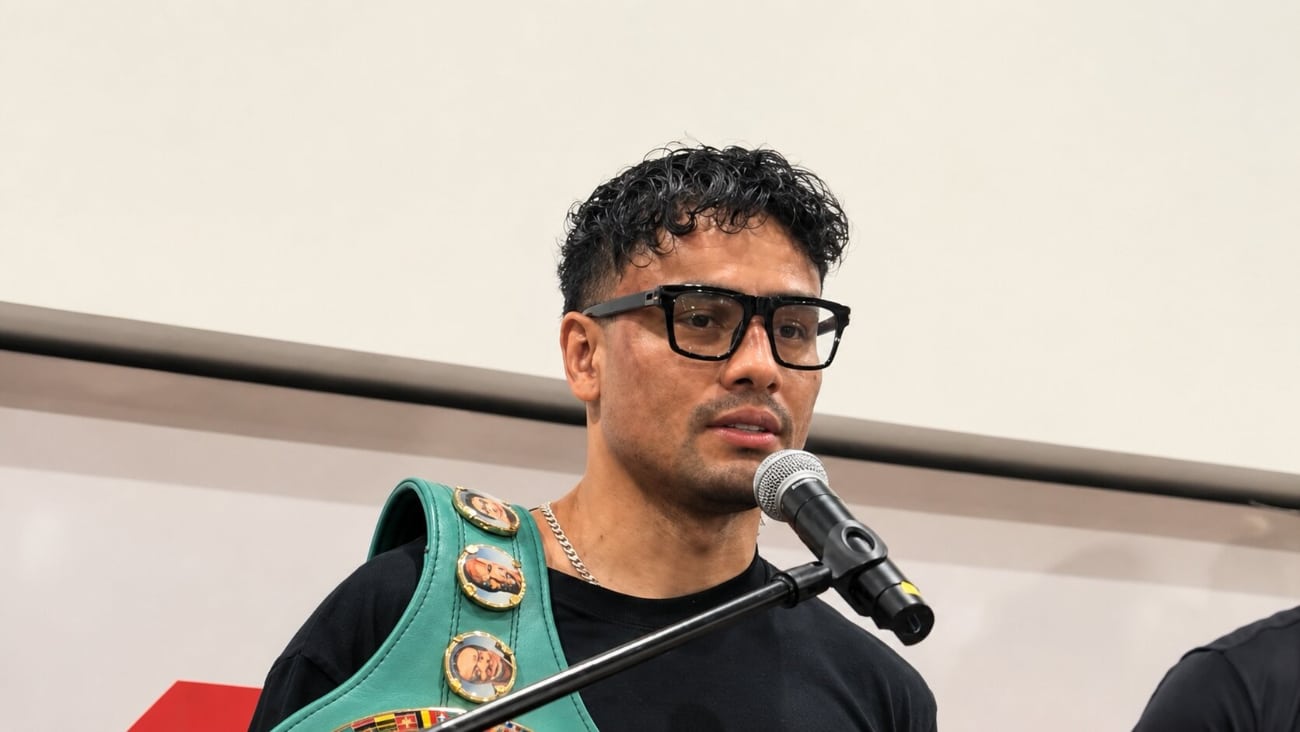
Martinez was much more effective and landed the harder punches. Lester had the support of the Guatemalan people with a healthy attendance of 6,848 at the USC Galen Center. The interim WBC super middleweight champion is the only boxing champion of any kind for Guatemala; Martinez is held in high esteem, receiving the full support of his country. After the victory, he celebrated at Lafayette Park at the Festival Chapin with his fellow countrymen.
ProBox promoter Garry Jonas stated at the post-fight press conference they’re exploring the options of holding a Lester Martinez fight at a soccer stadium somewhere in Guatemala, hopefully for January of 2027. The energy and crowd at the Galen Center was electrifying as the crowd would erupt in cheers every time Lester would land a big punch.
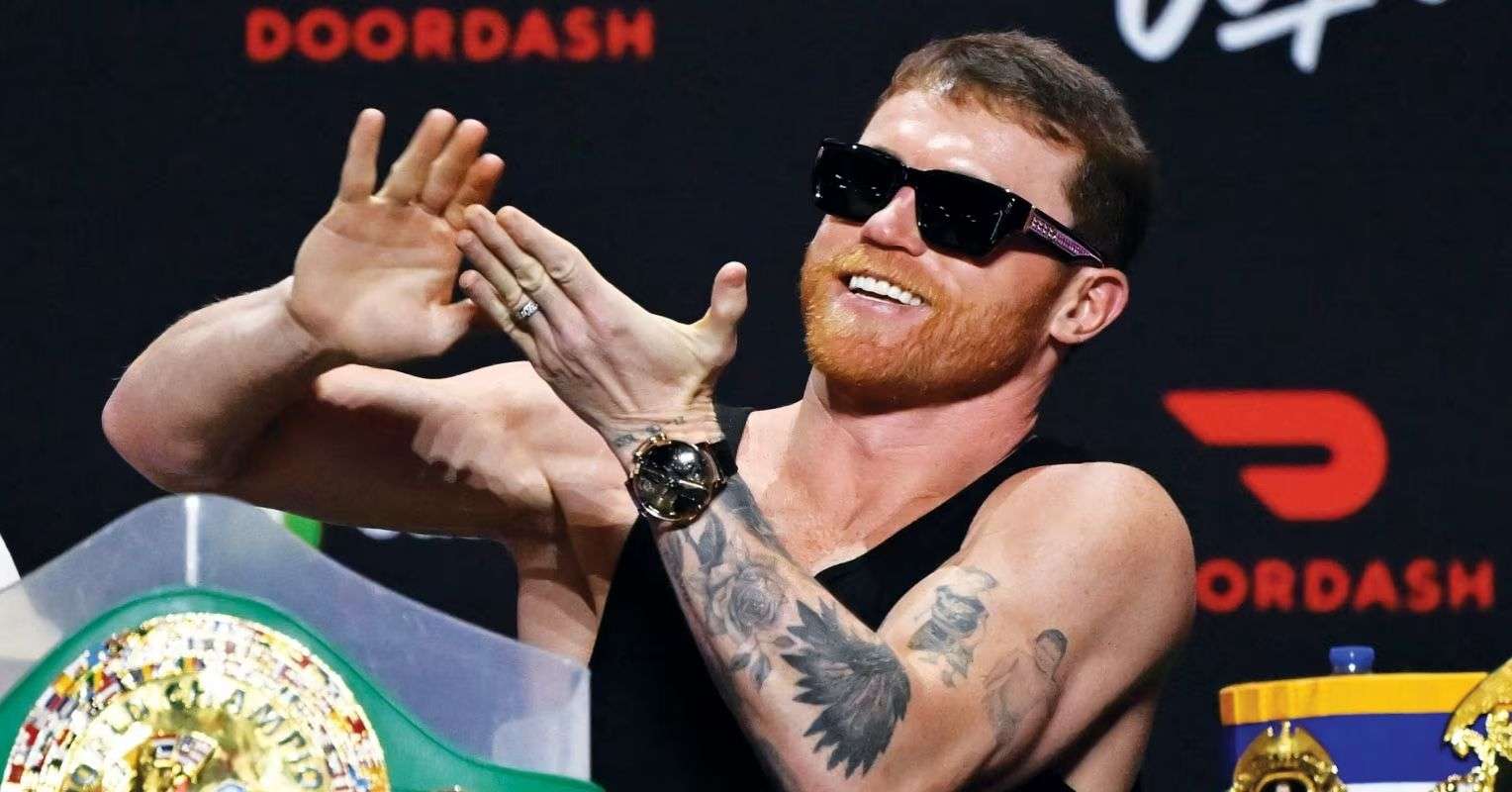
Holding an event in Guatemala would definitely draw a crowd. Lester is becoming a bigger star with every fight, and if he’s able to secure a fight with the winner of the Canelo Alvarez-Christian Mbilli fight, he would only become that much bigger. Trainer Esau Dieguez said of the fight, “The truth is we would like to face the winner, but because of name recognition and what it would bring, we would like to fight Canelo. Being that we already fought Mbilli, but I expect Canelo to win. I think Canelo will win, I hope we can make the fight. I know the WBC may beat around the bush, but our hope is Lester will fight for the full world title.”

It was the fight against Mbilli that raised Lester’s profile and introduced him to the world. Although it was ruled a draw, there are many who believe Martinez should have been awarded the decision. Lester stood toe-to-toe with the power puncher, exchanging punch for punch with him. Martinez outlanded Mbilli 412 to 273 in total punches, outlanding him in 9 of 12 rounds (Compubox).
He tried securing the rematch with Christian, but the fight never materialized. Expecting a tough fight against the Canelo-Mbilli winner, Lester said, “I think for now I will relax, but I know what is coming will be more difficult, and we will prepare for it.”
Knowing that he will have to perform at his absolute best against whomever the winner may be. Lester has proven he has the skills to compete at the championship level, and he has the full support of an entire country with him in Guatemala; they want nothing more than to have their first full world champion.



Gable Steveson's UFC 331 opponent blasts 'rapist' in social media tirade

Marlon Vera opens up on mental health issues amidst four-fight UFC skid

Stamp Fairtex faces title-picture stakes against Selina Flores at ONE Fight Night 47


-

 MMA2 days ago
Two knockouts in 18 days, but Bilal Hasan is fighting for something more
-

 MMA2 days ago
Kai Asakura finds new life in UFC following rocky flyweight start
-

 MMA2 days ago
Usman Nurmagomedovs former rival returns for PFL Chicago
-

 MMA2 days ago
Yadong Songs team predicted exact uppercut KO of Umar Nurmagomedov
-

 MMA2 days ago
Ex-UFC fighter Sedriques Dumas takes down costumed fan in arena brawl
-

 MMA2 days ago
Vitor Petrino fires back at Valter Walker: ‘That guy is a clown’
-

 MMA2 days ago
Zabit Magomedsharipov calls Yadong Song’s Umar Nurmagomedov KO a ‘lucky punch’
-

 MMA2 days ago
Get the best of MMA Fighting on the new SB Nation app