

Boxing
Tyson, worried about the state of boxing, starts an amateur invitational

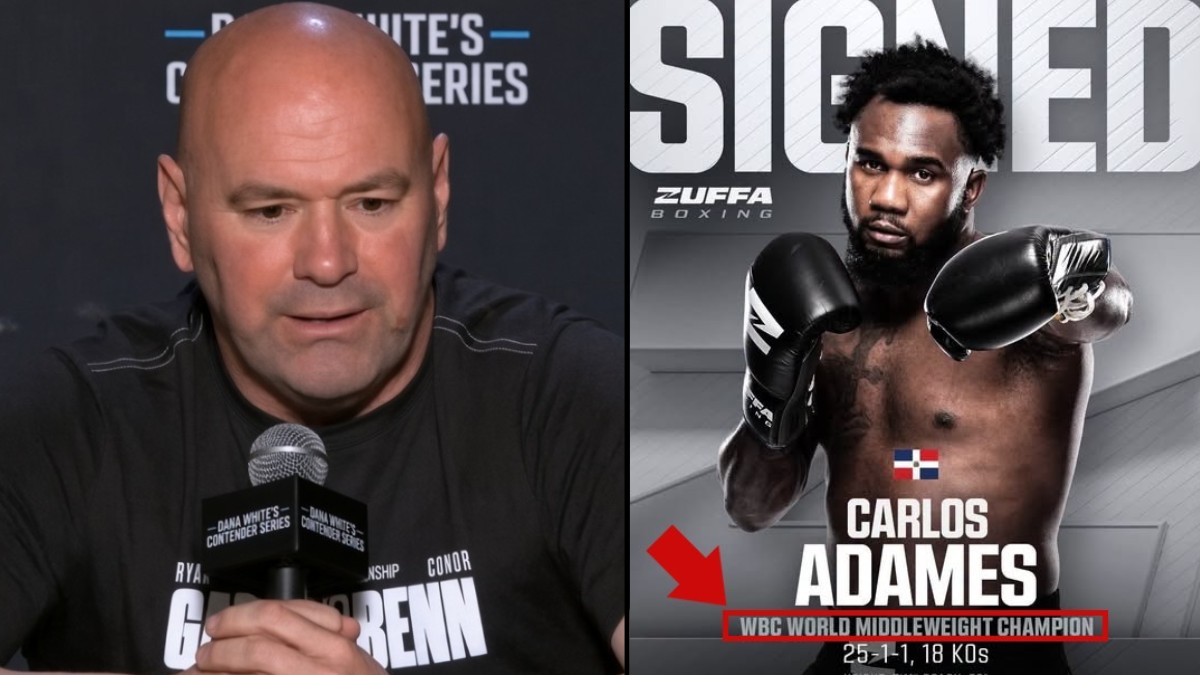
Dana White is making Zuffa Boxing U-turns left, right and center, with the promotion now openly advertising a WBC world champion after previously refusing to work with boxing’s established sanctioning bodies or even name their titles.
World Boxing News has followed White’s changing position since he outlined plans to replace the traditional championship structure with Zuffa’s own belts.
The latest development came with the signing of Carlos Adames, who was proudly introduced as the “WBC World Middleweight Champion.”
For most boxing promoters, that would be perfectly normal. For Zuffa, it represents another significant change in direction.
The First Zuffa U-Turn
White originally declared he had no interest in working with the WBA, WBC, IBF or WBO.
In February 2026, he reinforced that position, insisting he would do his own thing rather than conduct business with the sanctioning bodies.
Zuffa then crowned its first champion in March when Jai Opetaia defeated Brandon Glanton for the inaugural cruiserweight belt.
However, White subsequently softened his stance, confirming that Zuffa could work with established organizations on a case-by-case basis.
By August, Zuffa Boxing 10 in Dublin featured Aaron McKenna winning the vacant IBF middleweight title.
White’s original refusal had already become a compromise.
Now Zuffa Names the WBC
The second U-turn is even more interesting because WBN documented Zuffa’s reluctance to identify established world titles throughout August.
When Noel Mikaelian was announced as Opetaia’s opponent, Zuffa described the reigning WBC cruiserweight champion simply as a “two-time world champion.”
The promotion also avoided naming the IBF in McKenna’s title fight announcement, while Ryan Garcia vs Conor Benn was promoted around a world championship without identifying the WBC.
The analysis was that Zuffa could gradually build recognition for its own championship by describing every titleholder simply as a world champion, without emphasizing which organization awarded the belt.
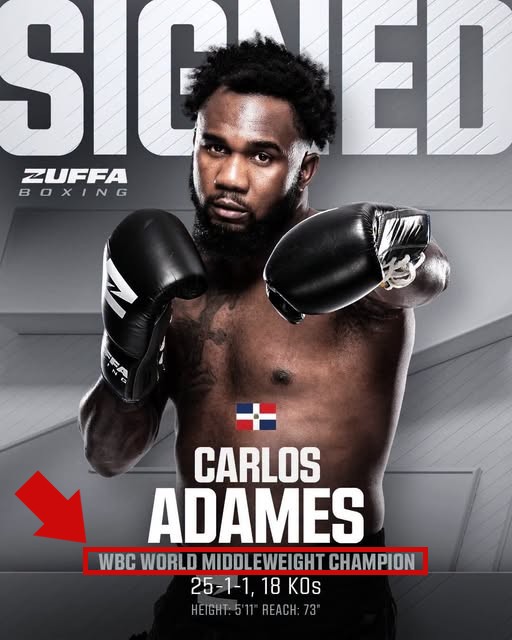
Now, just two months later, Zuffa is prominently displaying the WBC name alongside Adames.
When questioned about the change, White said it was not a matter of “having or not having a relationship” with the organization, before shifting his attention to Zuffa’s middleweight division.
That is a considerable departure from the original message.
The Business Model Changes
There are also signs that Zuffa’s wider business strategy is moving closer to conventional boxing promotion.
Zuffa has signed Adames and WBO middleweight champion Denzel Bentley, while allowing fighters to compete for traditional championships.
Those developments suggest a more flexible approach than the original vision of operating independently of boxing’s established organizations, although Zuffa has not abandoned its own championship structure.
White’s Next Move
White is entitled to change his approach, particularly if it helps Zuffa secure bigger fights and stronger signings.
However, the contrast with his original position is becoming increasingly stark.
First, Zuffa would not work with sanctioning bodies. Then it would consider them case by case. Now it is openly using the WBC name to promote a world champion.
The changes also put the value of Zuffa’s newly created belts under scrutiny compared with established world championships that have decades of history and recognition.
Nothing confirms that White intends to abandon his own championship system, but the repeated changes suggest his original hard-line approach has become increasingly difficult to maintain.
For a promotion that arrived promising to do things differently, Zuffa is beginning to look remarkably familiar.
About the Author
Phil Jay is the Editor-in-Chief of World Boxing News (WBN), a BWAA-acknowledged boxing news website founded in 2010. A veteran boxing reporter with 16 years of experience, he has interviewed world champions, broken international exclusives, and reported ringside from major events. His work is published worldwide through WBN and distributed on platforms including Apple News.
Read Phil Jay’s full bio and latest stories.
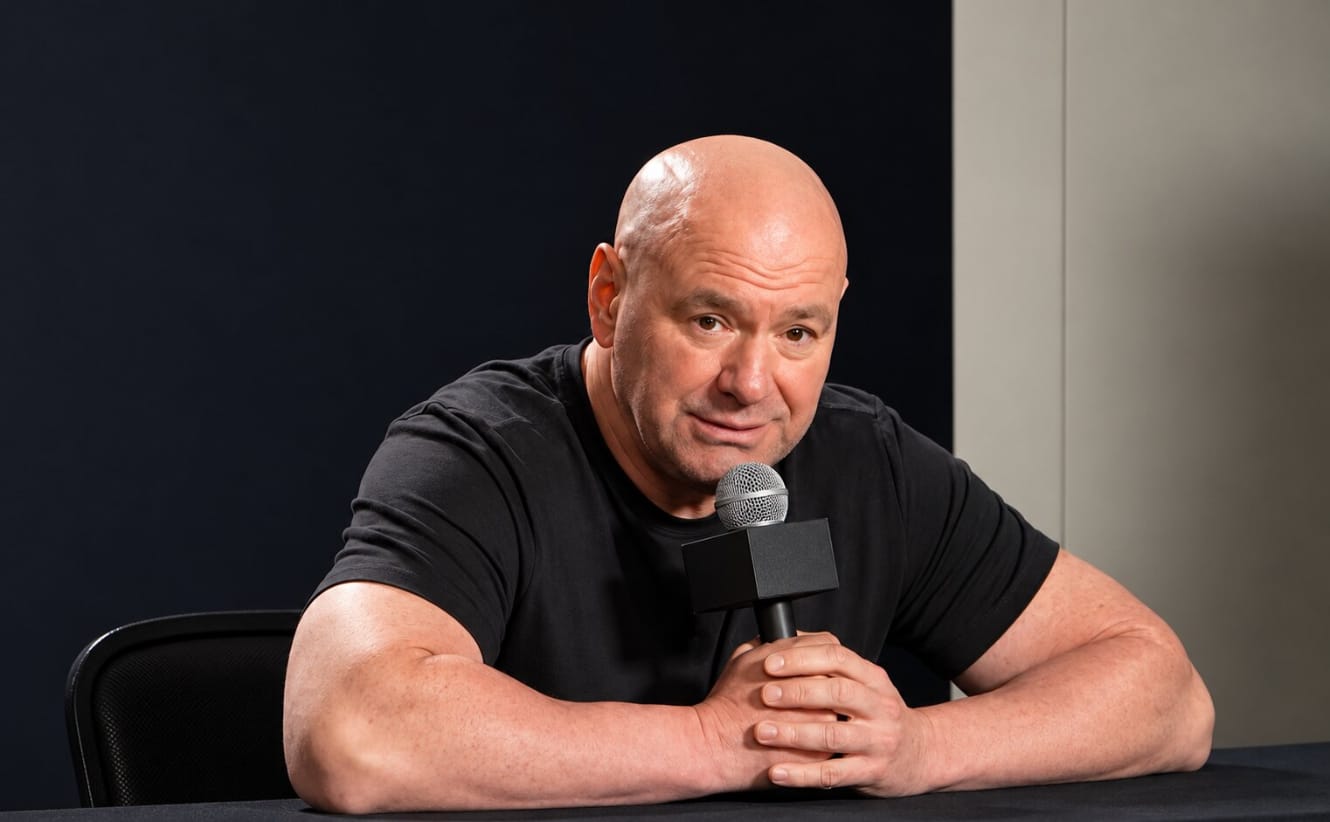
Dana White quickly shut down rumors about Shakur Stevenson meeting Devin Haney on November 28 in Atlanta. Anyone expecting an immediate fight reveal took a hit after White addressed the situation following the Contender Series. When reporters pressed him on the proposed Thanksgiving weekend date, he gave them very little to work with.
“If it was, I would have announced it,” White stated.
He declined to offer negotiation details, nor did he float an alternate calendar slot. That curt statement keeps November 28 unverified. It does not kill the pairing entirely, but it proves the business side remains unresolved.
Social media bargaining created the illusion that promotional machinery was already rolling. Both boxers publicly settled on 145 pounds on X, leading casual observers to believe the hard part had passed. Settling on an informal weight limit in a comment section does not trigger an official press tour. Online back-and-forth gives followers plenty to debate, yet neither fighter has booked travel, hired sparring partners, or officially launched camp.
The real snag centers directly on purse demands. Ring insider Mike Coppinger pointed to the financial friction on social media, posting, “Money mostly but I believe it will get done.”
Optimism does not print tickets or satisfy broadcast partners. Bill Haney openly vented his irritation over the sudden silence from the Stevenson camp, posting, “Bro nem quiet as church mouse’s again…”
That frustration is easy to understand. Transparent negotiations inflate public expectations in a hurry. When one camp goes completely silent immediately after a public concession, momentum disappears. Talks look completely stalled from the outside, even if promoters continue working behind closed doors.
Nobody following the modern boxing business should feel surprised by this drag. Arguing online generates massive engagement metrics, yet back-and-forth posts cannot finalize multi-million-dollar agreements. Network commitments, venue guarantees, and revenue splits require formal paperwork that takes weeks to navigate.
White essentially yanked the conversation back to reality. Observers have a target weight, an opponent, a venue city. What everyone still lacks is a legally binding contract. Until both camps resolve guaranteed purses, this matchup exists strictly as an internet discussion rather than a genuine event.


Spencer Brown sees a noticeable shift coming to Saudi boxing. Tyson Fury’s manager expects the massive purses to shrink, with fewer mega cards happening each year even though the Kingdom plans to stick around. From his perspective, the current spending pace simply cannot hold, creating a whole new reality for fighters across the sport.
“I think that the money has to go down because nobody can keep paying that sort of money,” Brown told The Ariel Helwani Show.
He made sure to dismiss rumors that Saudi investment is drying up completely. Instead, he sees Riyadh scaling back the volume of blockbuster events.
He pointed to Fury’s December 11 meeting with Anthony Joshua in Cardiff, a deal he helped put together, calling it one of the final spectacles of its kind. Moving forward, he predicts fans will see just one or two events of that size annually. While speaking as a dealmaker rather than an official spokesperson for Riyadh Season, his perspective carries genuine weight.
“I think this is one of the last of the big fights we’re going to see. I think you might get one or two big fights a year in future,” Brown said about the Fury vs. Anthony Joshua clash.
The real trouble will be convincing boxers to accept smaller checks again. Once a fighter pockets Saudi riches, traditional offers funded by gate receipts or pay-per-view sales feel like an insult. A matchup can make all the sense in the world on paper, yet stall out completely if someone insists on another monster payday.
That dynamic could trigger prolonged layoffs. Fighters risk sitting around, holding out hope for an invitation to the rare marquee card. Veterans near the end of their careers do not have time to waste on the sidelines, but the temptation of holding out for life-changing money remains strong.
A market cool-down could ultimately force promoters to build fights around realistic budgets again. For that model to succeed, fighters who want to stay active will have to adjust their financial expectations accordingly.
Fighters who grew accustomed to eight-figure guarantees for low-demand, mismatched events are going to hit a wall of stubborn inactivity before reality sets in.
Human nature and boxing economics suggest the immediate reaction won’t be humility. It will be entitlement.
When a boxer makes $10 million to $20 million fighting an unheralded opponent in an atmosphere with minimal gate pressure, that number ceases to be a windfall in their mind. It becomes their baseline. Returning to a traditional promotional model where their guarantee is tied directly to pay-per-view buys and ticket sales in London, New York, or Las Vegas feels like a drastic demotion.
The fallout is likely to split fighters into distinct groups:
First come the holdouts. The biggest names with heavy bank accounts will sit on the sidelines, convinced that their manager or promoter simply isn’t trying hard enough, or that Riyadh will eventually circle back when a headline slot opens.
They will post training clips on social media, call out other stars, demand absurd splits, and reject viable market-rate offers. Some will sit out twelve to eighteen months before grasping that the sovereign wealth subsidy has actually contracted. For aging stars, this wait will quietly run out their athletic primes.
Second comes the rude awakening for mid-tier names. Fighters who received inflated purses simply to fill out stacked undercards will discover that traditional promoters have zero appetite to subsidize them. If a fighter does not shift tickets in their home market or drive subscriptions, domestic promoters cannot afford them at Saudi rates.
These fighters will face a blunt ultimatum: accept pay cuts of 60 to 75 percent, or retire. Those who need money to maintain luxury spending habits will swallow their pride, sign realistic contracts, and return to competitive, grinding fights where they actually have to take risks.
Ultimately, the market correction will be painful. Boxing spent years living in an artificial economy where risk and commercial return were completely divorced. Once the spigot tightens, the fighters who want to stay relevant will have no choice but to get back in the gym and fight each other on realistic budgets, while the ones chasing long-gone purses will simply wait themselves into irrelevance.



Dana Whites 2026 Promotion of WBC After Rejecting Boxing Bodies in 2025

Dana White Rejects November 28 Date for Shakur vs. Haney Fight

Michael ‘Venom’ Page says 3 Misfits fights will pay more than 6 in UFC


-
 MMA2 days ago
Jai Herbert is 'rolling with it' after securing second win of the year
-

 Boxing2 days ago
Floyd Schofield Predicts Devin Haney vs Shakur Stevenson Showdown After Sparring Both Champions
-

 Boxing2 days ago
Former Light Heavyweight Champion Aims to Challenge David Benavidez at Cruiserweight
-

 Boxing2 days ago
Nakisa Bidarian Explains the Financial Principles Driving Canelos Commitment
-

 MMA1 day ago
Ismael Bonfim removed from UFC roster after gigantic weight miss
-
 Boxing1 day ago
Tyson Furys Advantage: The Importance of Leg Endurance in Boxing
-
 Boxing1 day ago
Derek Chisora Predicts Early KO in Dubois vs Wardley 2 Following First Fight Canvas Drama
-

 Boxing1 day ago
Agit Kabayel Expected to Defeat Nelson Hysa by TKO in Five Rounds