Boxing
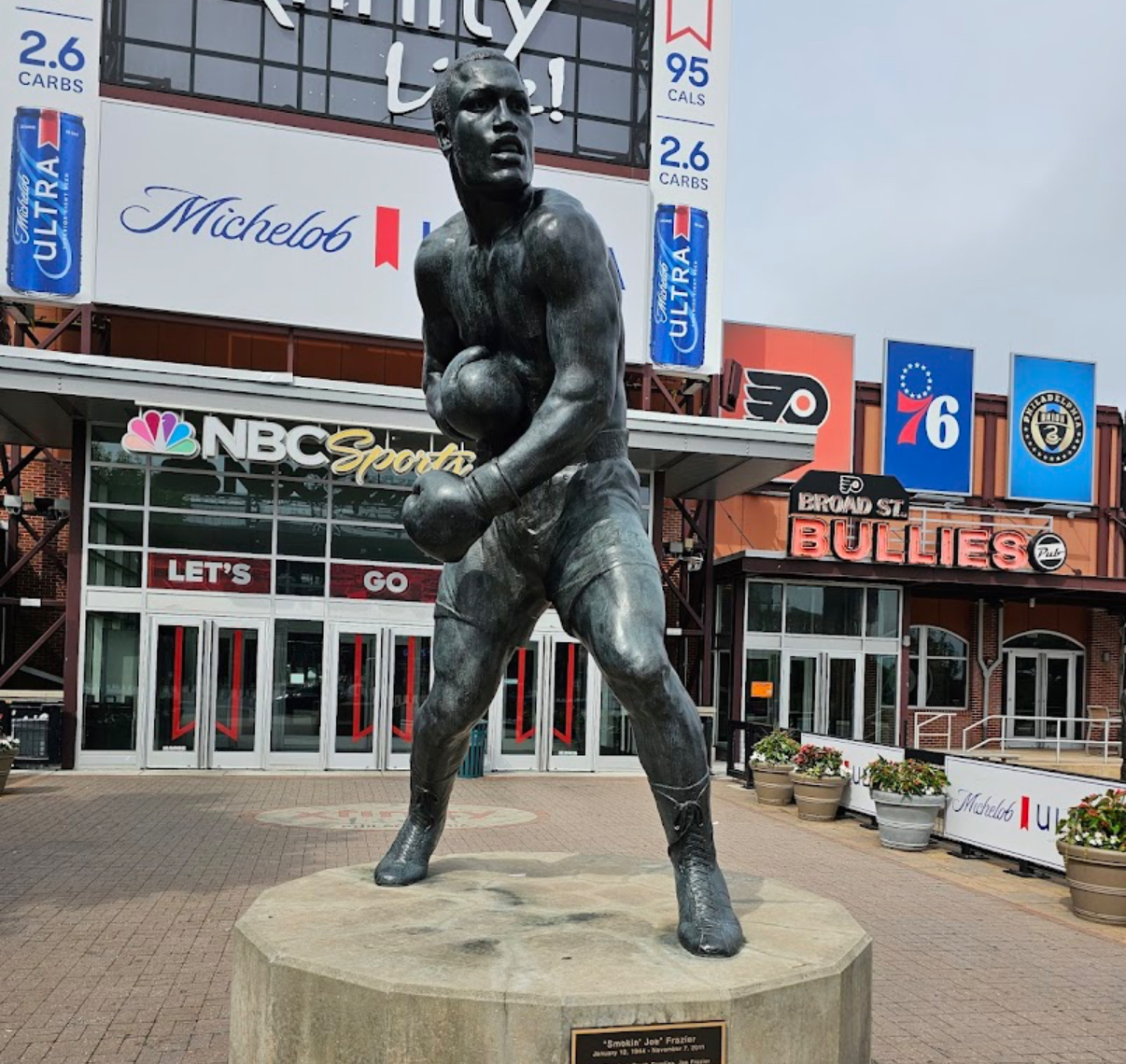
Smokin’ Joe Frazier statue moved to the base of the steps of the Philadelphia Museum of Art

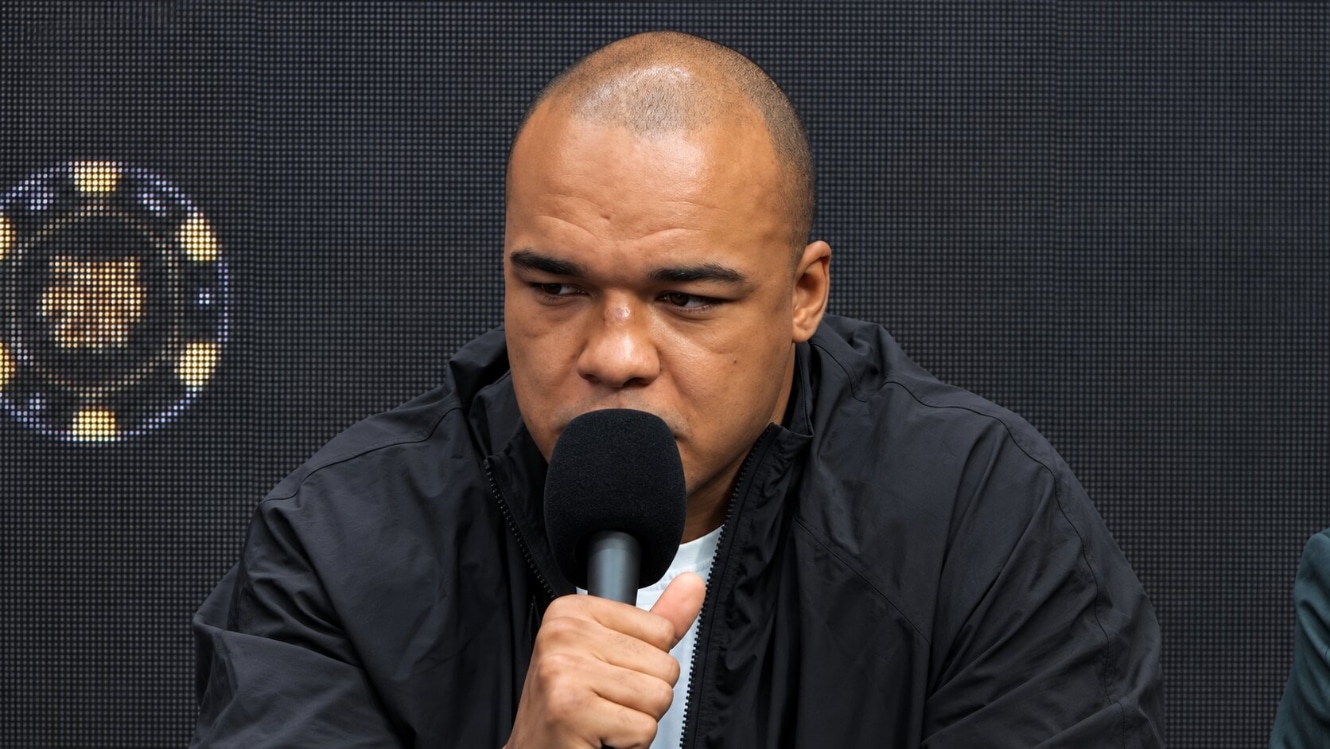
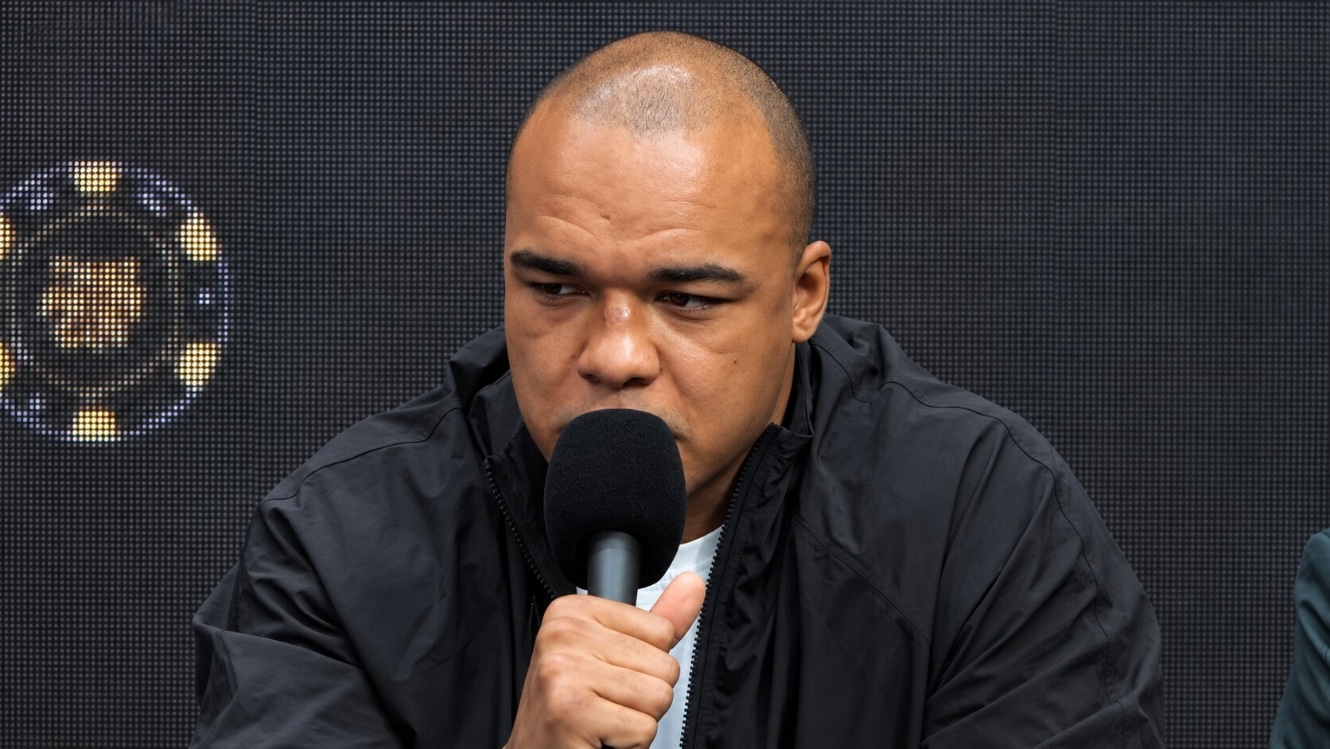
Fabio Wardley looked like a fighter who could use some quiet time before facing Daniel Dubois again on Saturday. The lines beneath his eyes and weary appearance at Thursday’s final press conference offered an uneasy contrast to the relaxed, cheerful champion.
Appearances can mislead, but Wardley looked tired with two days remaining before their WBO heavyweight title rematch at London’s O2 Arena. Whether that reflects a hard camp, a busy promotional schedule, or simply an unflattering afternoon is unclear. It could be a toxic mixture of all three, but the media burden combined with Dubois offering zero promotional support is the real silent killer here.
Dubois is notorious for giving the press nothing. He sits there with a vacant stare, muttering three-word clichés about being focused and letting his fists do the talking. That leaves Wardley stuck playing the role of promoter, entertainer, and salesman all by himself.
When a headline fighter has to drag a pay-per-view across the finish line alone, it means endless media scrums, radio hits, digital sitdowns, and relentless sponsor obligations. That kind of talking tour drains nervous energy just as fast as hard sparring, especially during fight week when a fighter ought to be lying in bed with his feet up.
Dubois gets to coast into the arena fresh because he does not care about trying to pump up the fight, does not waste a single calorie trying to be charismatic, and holds the belt. Wardley took on the workload of two men outside the ropes while grinding himself down inside the gym, and his face on Thursday showed the exact toll of burning the candle at both ends.
“Yeah, surprisingly I feel great,” Wardley said, mouthing words that didn’t match his worn physical appearance.
He also described losing his unbeaten record as lifting some pressure, explaining that returning as the underdog felt like familiar territory. His words suggested comfort. His appearance invited questions about how much energy he has left after preparing to face the man who stopped him.
Dubois’s representative, Riz Khan, added to those questions by suggesting Wardley had returned too quickly.
“We know Fabio is not fully healed from his injuries,” Khan claimed, before qualifying that statement: “That’s my personal opinion.”
Khan offered no medical evidence. Still, his comments put recovery into the discussion at a time when Wardley needs to arrive fresh enough to make his proposed tactical changes work.
Wardley acknowledged becoming overconfident in his right hand during their first meeting. He wants better pacing and a more controlled approach rather than expecting one punch to finish Dubois.
That requires discipline when the punches start landing. If Wardley is carrying fatigue into Saturday, maintaining that control could become harder once Dubois makes him work.
Dubois, meanwhile, described himself as “feeling stronger” and “just grounded.” He appeared comfortable with the task ahead.
Wardley’s closing promise suggested his instinct to chase a finish remains strong.
“Once I sniff blood, he’s gone.”
He hurt Dubois before and failed to finish him. This time, Wardley must recognize his opening without spending everything trying to force it. Looking fresher on Saturday would help.

Fabio Wardley looked like a fighter who could use some quiet time before facing Daniel Dubois again on Saturday. The lines beneath his eyes and weary appearance at Thursday’s final press conference offered an uneasy contrast to the relaxed, cheerful champion.
Appearances can mislead, but Wardley looked tired with two days remaining before their WBO heavyweight title rematch at London’s O2 Arena. Whether that reflects a hard camp, a busy promotional schedule, or simply an unflattering afternoon is unclear. It could be a toxic mixture of all three, but the media burden combined with Dubois offering zero promotional support is the real silent killer here.
Dubois is notorious for giving the press nothing. He sits there with a vacant stare, muttering three-word clichés about being focused and letting his fists do the talking. That leaves Wardley stuck playing the role of promoter, entertainer, and salesman all by himself.
When a headline fighter has to drag a pay-per-view across the finish line alone, it means endless media scrums, radio hits, digital sitdowns, and relentless sponsor obligations. That kind of talking tour drains nervous energy just as fast as hard sparring, especially during fight week when a fighter ought to be lying in bed with his feet up.
Dubois gets to coast into the arena fresh because he does not care about trying to pump up the fight, does not waste a single calorie trying to be charismatic, and holds the belt. Wardley took on the workload of two men outside the ropes while grinding himself down inside the gym, and his face on Thursday showed the exact toll of burning the candle at both ends.
“Yeah, surprisingly I feel great,” Wardley said, mouthing words that didn’t match his worn physical appearance.
He also described losing his unbeaten record as lifting some pressure, explaining that returning as the underdog felt like familiar territory. His words suggested comfort. His appearance invited questions about how much energy he has left after preparing to face the man who stopped him.
Dubois’s representative, Riz Khan, added to those questions by suggesting Wardley had returned too quickly.
“We know Fabio is not fully healed from his injuries,” Khan claimed, before qualifying that statement: “That’s my personal opinion.”
Khan offered no medical evidence. Still, his comments put recovery into the discussion at a time when Wardley needs to arrive fresh enough to make his proposed tactical changes work.
Wardley acknowledged becoming overconfident in his right hand during their first meeting. He wants better pacing and a more controlled approach rather than expecting one punch to finish Dubois.
That requires discipline when the punches start landing. If Wardley is carrying fatigue into Saturday, maintaining that control could become harder once Dubois makes him work.
Dubois, meanwhile, described himself as “feeling stronger” and “just grounded.” He appeared comfortable with the task ahead.
Wardley’s closing promise suggested his instinct to chase a finish remains strong.
“Once I sniff blood, he’s gone.”
He hurt Dubois before and failed to finish him. This time, Wardley must recognize his opening without spending everything trying to force it. Looking fresher on Saturday would help.
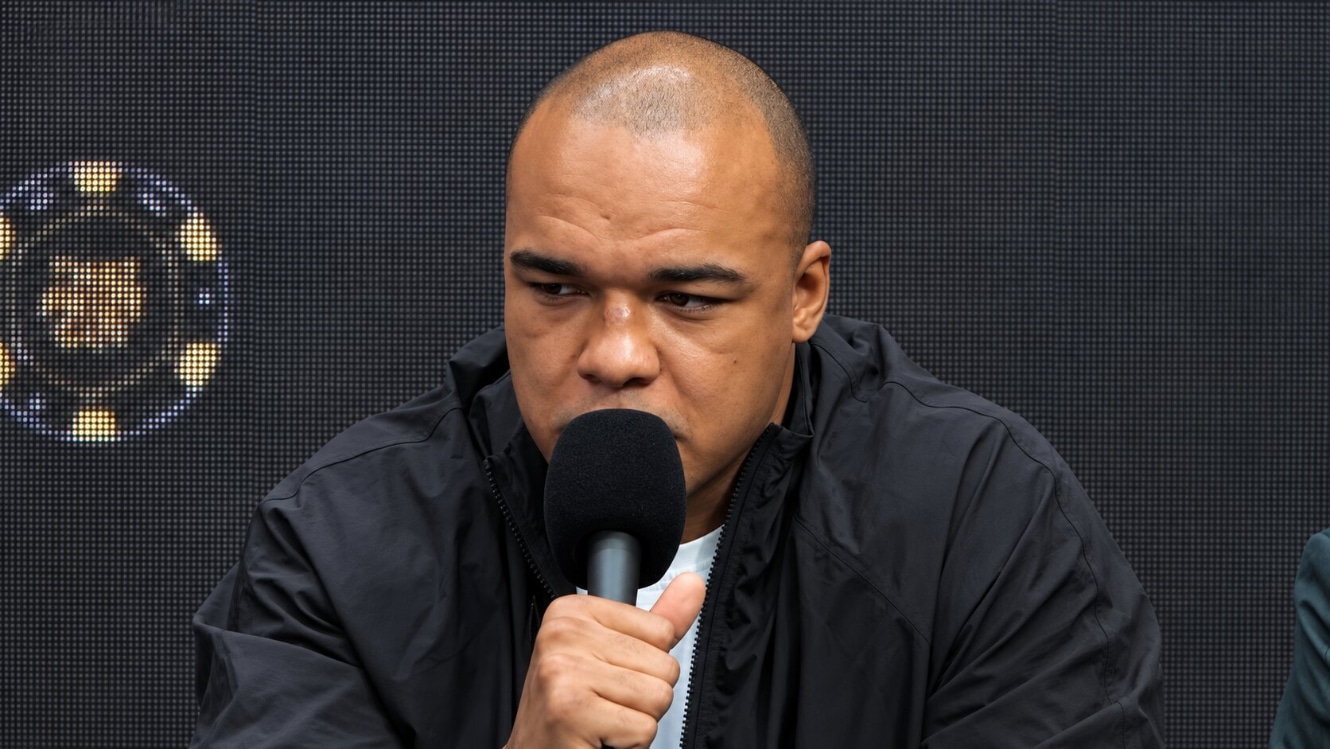
Fabio Wardley looked like a fighter who could use some quiet time before facing Daniel Dubois again on Saturday. The lines beneath his eyes and weary appearance at Thursday’s final press conference offered an uneasy contrast to the relaxed, cheerful champion.
Appearances can mislead, but Wardley looked tired with two days remaining before their WBO heavyweight title rematch at London’s O2 Arena. Whether that reflects a hard camp, a busy promotional schedule, or simply an unflattering afternoon is unclear. It could be a toxic mixture of all three, but the media burden combined with Dubois offering zero promotional support is the real silent killer here.
Dubois is notorious for giving the press nothing. He sits there with a vacant stare, muttering three-word clichés about being focused and letting his fists do the talking. That leaves Wardley stuck playing the role of promoter, entertainer, and salesman all by himself.
When a headline fighter has to drag a pay-per-view across the finish line alone, it means endless media scrums, radio hits, digital sitdowns, and relentless sponsor obligations. That kind of talking tour drains nervous energy just as fast as hard sparring, especially during fight week when a fighter ought to be lying in bed with his feet up.
Dubois gets to coast into the arena fresh because he does not care about trying to pump up the fight, does not waste a single calorie trying to be charismatic, and holds the belt. Wardley took on the workload of two men outside the ropes while grinding himself down inside the gym, and his face on Thursday showed the exact toll of burning the candle at both ends.
“Yeah, surprisingly I feel great,” Wardley said, mouthing words that didn’t match his worn physical appearance.
He also described losing his unbeaten record as lifting some pressure, explaining that returning as the underdog felt like familiar territory. His words suggested comfort. His appearance invited questions about how much energy he has left after preparing to face the man who stopped him.
Dubois’s representative, Riz Khan, added to those questions by suggesting Wardley had returned too quickly.
“We know Fabio is not fully healed from his injuries,” Khan claimed, before qualifying that statement: “That’s my personal opinion.”
Khan offered no medical evidence. Still, his comments put recovery into the discussion at a time when Wardley needs to arrive fresh enough to make his proposed tactical changes work.
Wardley acknowledged becoming overconfident in his right hand during their first meeting. He wants better pacing and a more controlled approach rather than expecting one punch to finish Dubois.
That requires discipline when the punches start landing. If Wardley is carrying fatigue into Saturday, maintaining that control could become harder once Dubois makes him work.
Dubois, meanwhile, described himself as “feeling stronger” and “just grounded.” He appeared comfortable with the task ahead.
Wardley’s closing promise suggested his instinct to chase a finish remains strong.
“Once I sniff blood, he’s gone.”
He hurt Dubois before and failed to finish him. This time, Wardley must recognize his opening without spending everything trying to force it. Looking fresher on Saturday would help.

Fabio Wardley Appears Weary Ahead of Daniel Dubois Rematch

Fabio Wardley Shows Signs of Fatigue Ahead of Daniel Dubois Rematch

Fabio Wardley Shows Signs of Fatigue Ahead of Daniel Dubois Rematch


-
 MMA2 days ago
Michael ‘Venom’ Page says 3 Misfits fights will pay more than 6 in UFC
-
 Boxing2 days ago
Dana White Rejects November 28 Date for Shakur vs. Haney Fight
-
 MMA2 days ago
Alistair Overeem tells Rico Verhoeven to ‘stop hiding’, box him at Fury vs. Joshua card
-
 Boxing1 day ago
Dana Whites 2026 Promotion of WBC After Rejecting Boxing Bodies in 2025
-
 Boxing1 day ago
Riku Masuda vs Seiya Tsutsumi Rematch Highlights November 29th Title Tripleheader in Tokyo
-
 MMA1 day ago
Alex Pereira backs Paulo Costa to beat Magomed Ankalaev with pressure
-
 Boxing1 day ago
Canelo Alvarez Discusses Challenging Christian Mbilli for WBC Title: Strategies for a Successful Fight
-
 Boxing24 hours ago
Shakur Stevenson Faces Criticism for Avoiding All-American Boxing Clash