
Boxing
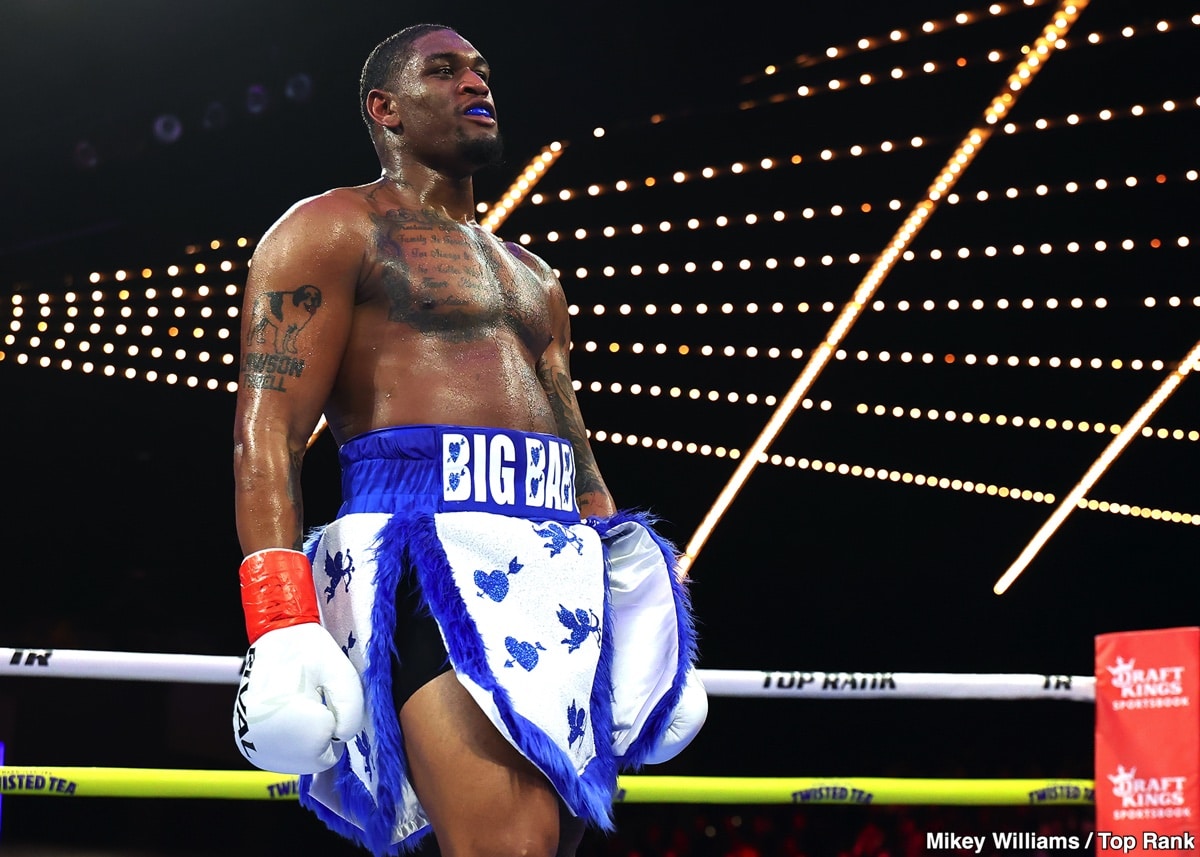
Jarrell Miller claims that Jared Anderson withdrew from September 13

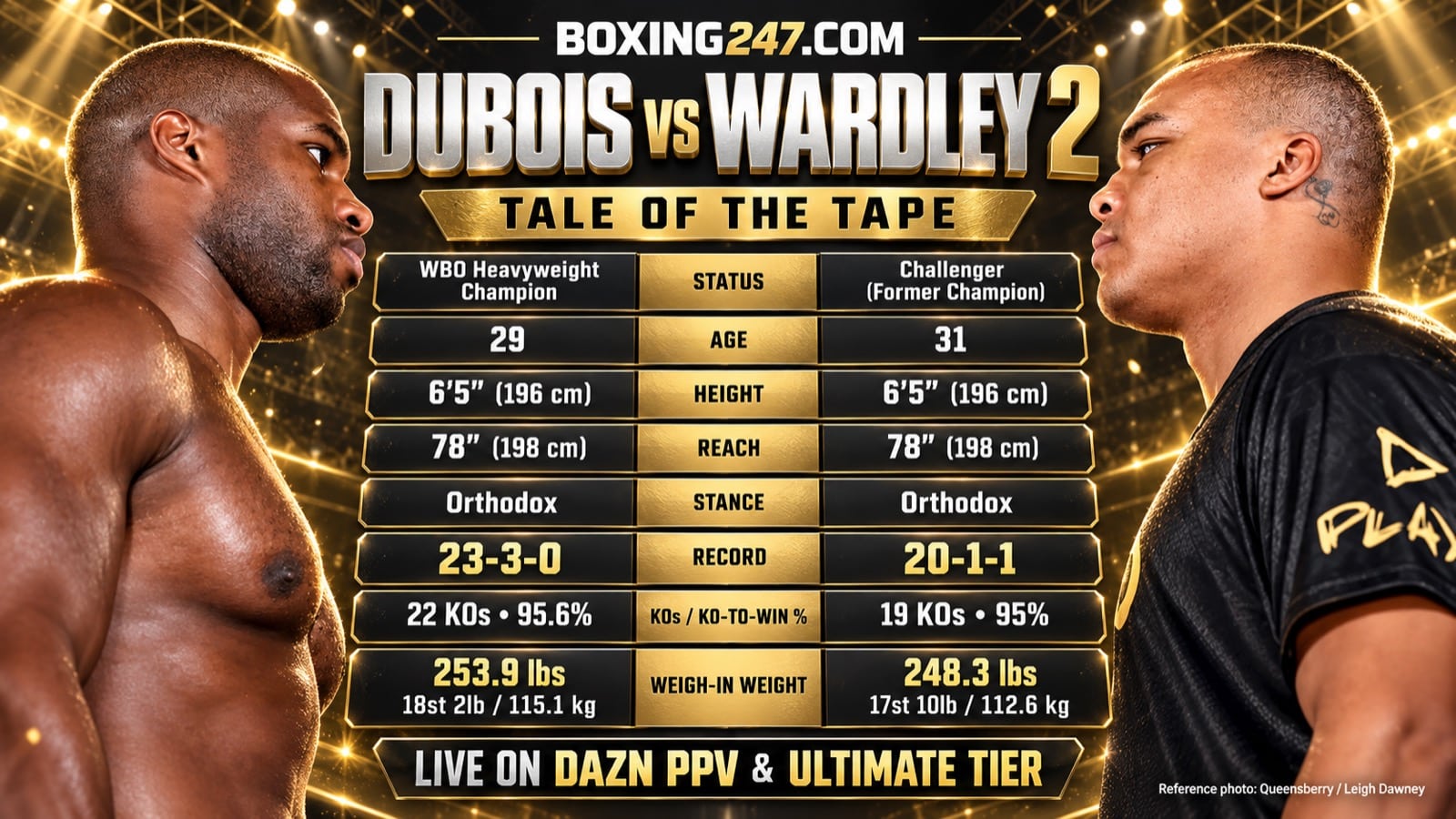
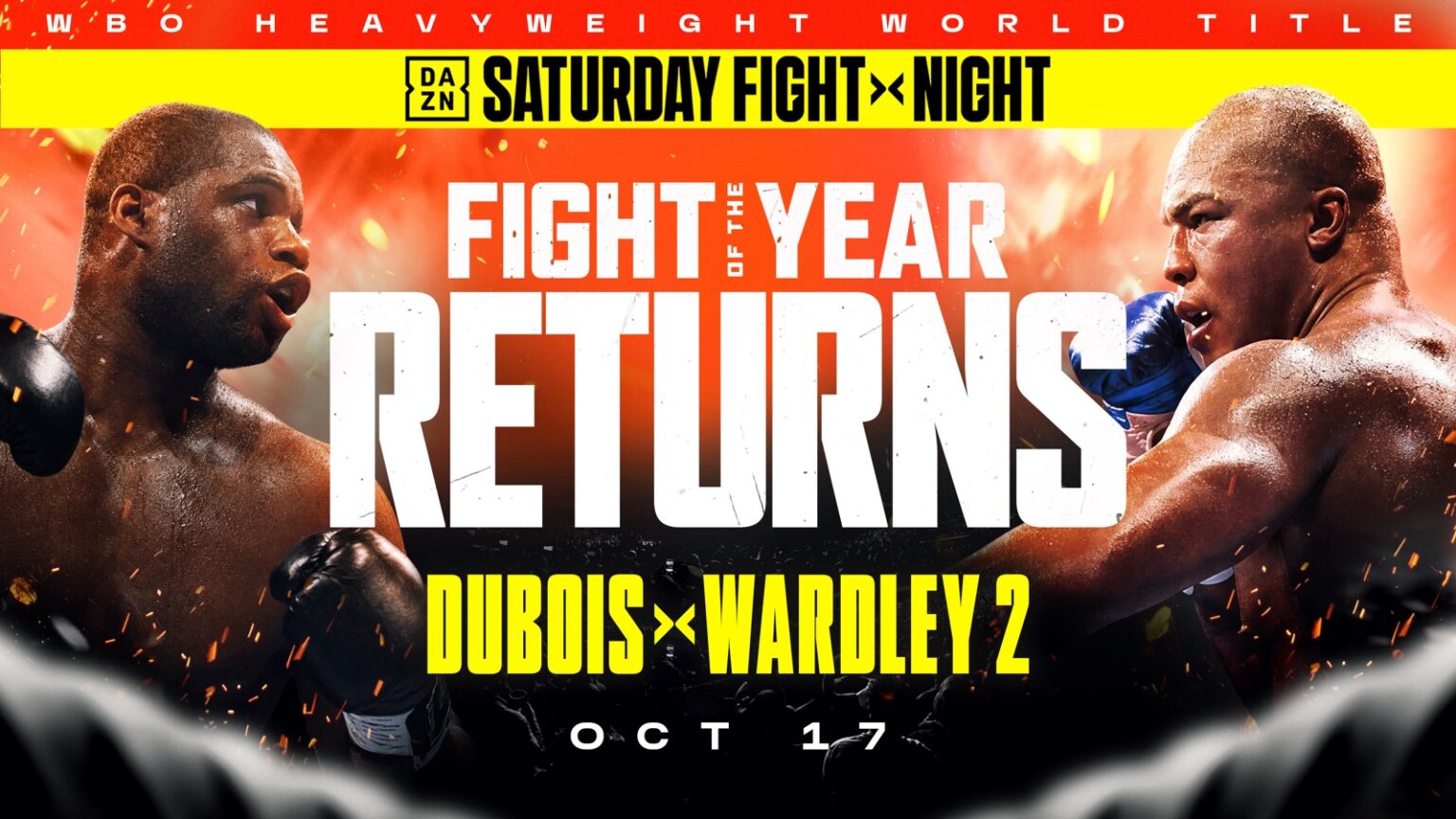
Daniel Dubois defends his WBO heavyweight title against Fabio Wardley on Saturday, October 17, 2026, at The O2 Arena in London, with coverage starting at 7 p.m. BST / 2 p.m. ET and ring walks expected around 10:30 p.m. BST / 5:30 p.m. ET. The rematch airs on DAZN PPV for £24.99 in the UK and $59.99 in the US.
Live now
Daniel Dubois
VS
Fabio Wardley
- Date
- Saturday, October 17, 2026
- Card starts
- 12:30pm EDT / 5:30pm BST
- Expected ring walks
- 6:00 pm EDT / 11:00 pm BST
- Scheduled distance
- 12 rounds
Super featherweight Nelson Birchall (13-0, 10 KOs) handed Levi Giles (17-4-1) his first stoppage defeat with a seventh-round TKO. The unbeaten prospect’s quick, accurate punching wore down Giles over the scheduled ten-round contest. Giles maintained his effort, but Birchall landed the cleaner shots and increasingly took control. A fifth-round knockdown began a punishing stretch for Giles.
Birchall sent him to the canvas again in the sixth. Giles went down for a third time in the seventh, bringing the fight to an end. Birchall finished with three knockdowns in as many rounds to secure his tenth stoppage victory.
Tony Curtis (15-1, 4 KOs) captured the vacant Commonwealth International super flyweight title with a fourth-round TKO over Kerim Agius (4-2, 2 KOs).
Agius went down in the second and fourth rounds. Referee Sean McAvoy waved off the scheduled eight-round contest at 2:57 of round four.
Leighton Birchall (6-0, 3 KOs) earned a shutout points win over Alejandro Morales Chazaro (9-10-2, 5 KOs) in a featherweight bout. The six-round contest was scored 60-54 in Birchall’s favor.
Super bantamweight Manny Safari (1-0, 1 KO) stopped Jake Pollard (1-122, 1 KO) in the fifth round, marking his first professional appearance with a TKO victory.
Lightweight Fawas Aborode (3-0, 3 KOs) stopped Rashid Omar (8-10, 1 KO) in the fourth round. Aborode dictated the action and finished the contest inside the distance, maintaining his perfect knockout record.
Aaron Noriega (3-0) scored a fourth-round TKO over Leonardo Baez in their super featherweight bout. Noriega celebrated the victory in the ring wearing a Mexican-flag cap.
Middleweight Issiah Hamilton-Allen (4-0) earned a shutout points victory over Jensen Irving (6-41-2, 1 KO). The four-round bout ended with a 40-36 score in Hamilton-Allen’s favor.
Daniel Dubois vs Fabio Wardley
WBO heavyweight title
Expected ring walks: 10:30 p.m. BST / 5:30 p.m. ET / 2:30 p.m. PT
Louie O’Doherty vs Michael Gomez Jr.
British and Commonwealth lightweight titles
Approximate start: 9:30 p.m. BST / 4:30 p.m. ET / 1:30 p.m. PT
Adam Olaniyan vs Garber
Approximate start: 9:10 p.m. BST / 4:10 p.m. ET / 1:10 p.m. PT
Bakhodir Jalolov vs Solomon Dacres
Heavyweight
Approximate start: 8:10 p.m. BST / 3:10 p.m. ET / 12:10 p.m. PT
Weights:
Dubois 253.9 vs Wardley 248.3
O’Doherty 134.12 vs Gomez Jr 134.3
Olaniyan 250.15 vs Garber 223.15
Jalolov 255.12 vs Dacres 242.9
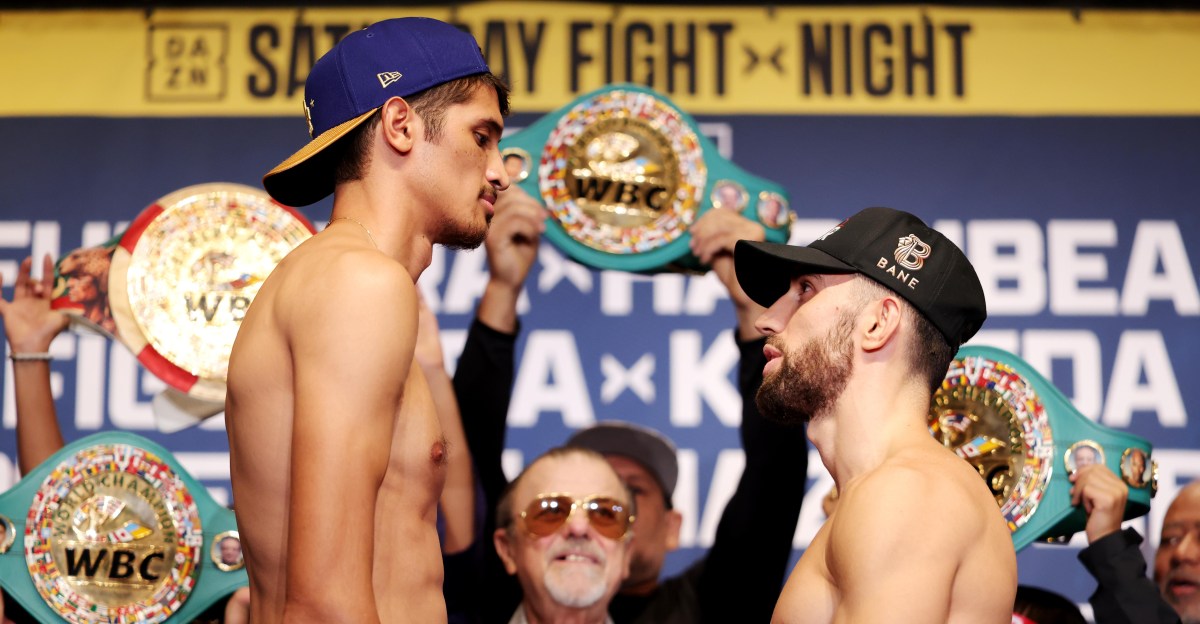
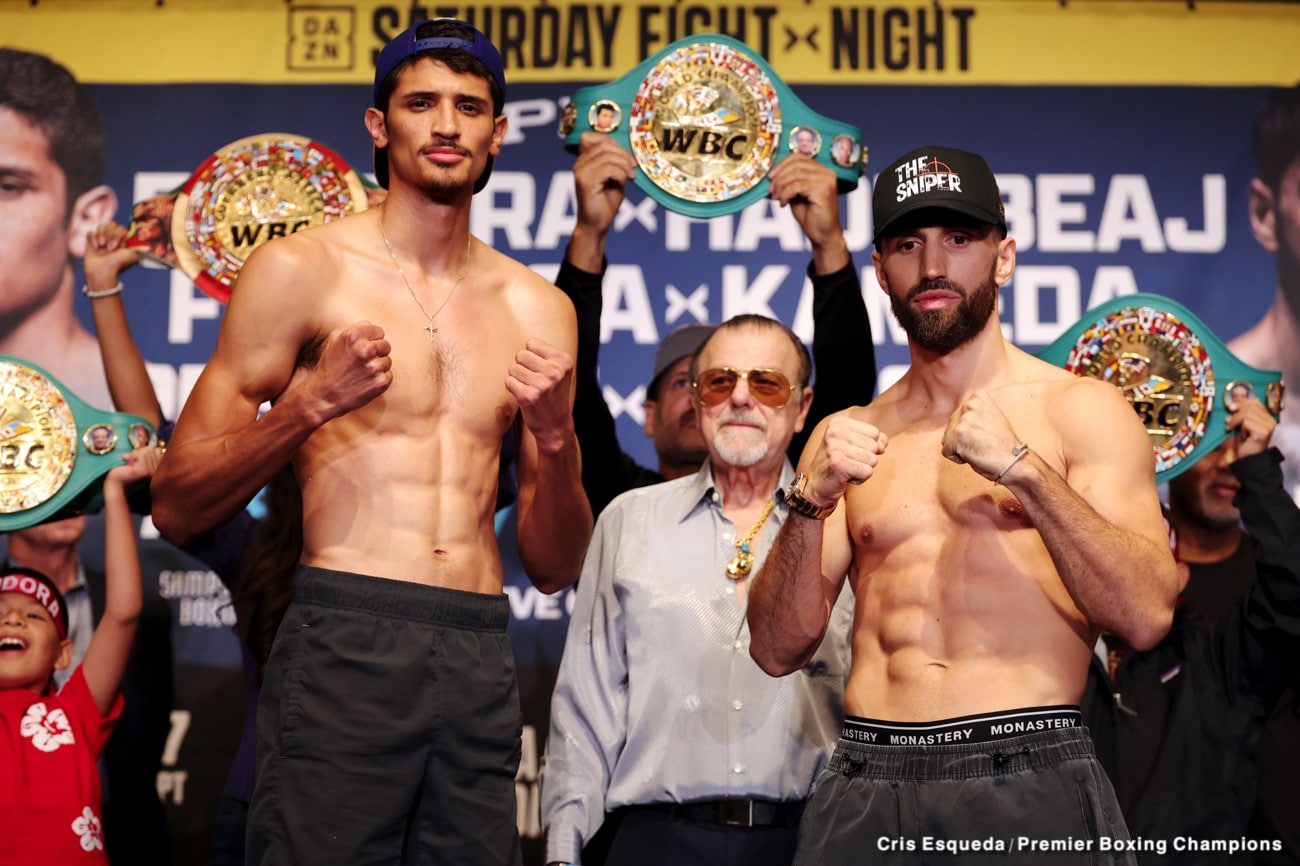
Sebastian Fundora defends his WBC super welterweight title against Ermal Hadribeaj on Saturday, October 17, 2026, at The Chelsea at The Cosmopolitan of Las Vegas, with the card starting at 8 p.m. ET / 5 p.m. PT / 1 a.m. BST Sunday. TNT and DAZN broadcast the fight live.
Coverage upcoming
Sebastian Fundora
VS
Ermal Hadribaj
- Date
- Saturday, October 17, 2026
- Venue
- The Chelsea at The Cosmopolitan, Las Vegas
- Card starts
- 8:00 pm EDT / 1:00 am BST (Sun, Oct 18 in the UK)
- Expected ring walks
- 11:00 pm EDT / 4:00 am BST (Sun, Oct 18 in the UK)
- Weight class
- super welterweight
- Scheduled distance
- 12 rounds
Live results will appear here on fight night.
Sebastian Fundora vs Ermal Hadribeaj
WBC super welterweight title.
Brandon Figueroa vs. Tomoki Kameda bout is now off after Figueroa fell ill overnight.
Armando Reséndiz vs Koen Mazoudier
Super middleweight, 10 rounds.
Marco Romero vs Braulio Ferreira
Super middleweight, eight rounds.


Daniel Dubois vs Fabio Wardley II: Start Time and Live Results

Sebastian Fundora vs Ermal Hadribeaj: Live Round-by-Round Updates and Results

Sebastian Fundora vs Ermal Hadribeaj: Start Time and Live Results


-
 Boxing2 days ago
Frank Warren Rates Dubois vs Wardley Rematch as an Even Fight
-
 MMA2 days ago
Raoni Barcelos still has no diagnosis after losing consciousness in UFC fight
-
 Boxing2 days ago
Shakur Stevenson Reveals Why Devin Haney Talks Collapsed: Wasted Everybodys Time
-
 MMA2 days ago
Brand Risk 16 Results: West vs. Beasley
-
 MMA1 day ago
Diego Lopes discusses the logistics of his upcoming lightweight move
-
 Boxing2 days ago
Rico Verhoeven Agrees to Face Deontay Wilder in Epic Heavyweight Clash
-
 Boxing2 days ago
Rayo Valenzuela Claims Floyd Schofield is Dodging Fight Challenge
-
 Boxing1 day ago
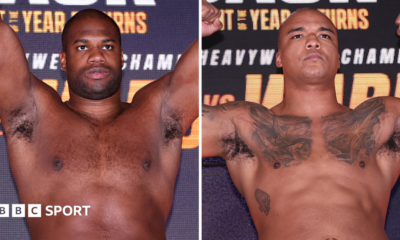
Dubois vs Wardley 2: Heavyweights Clash at Career Heavies for World Title Rematch